Best Prenatal Vitamins in 2026 — Top 10 for a Healthy Pregnancy
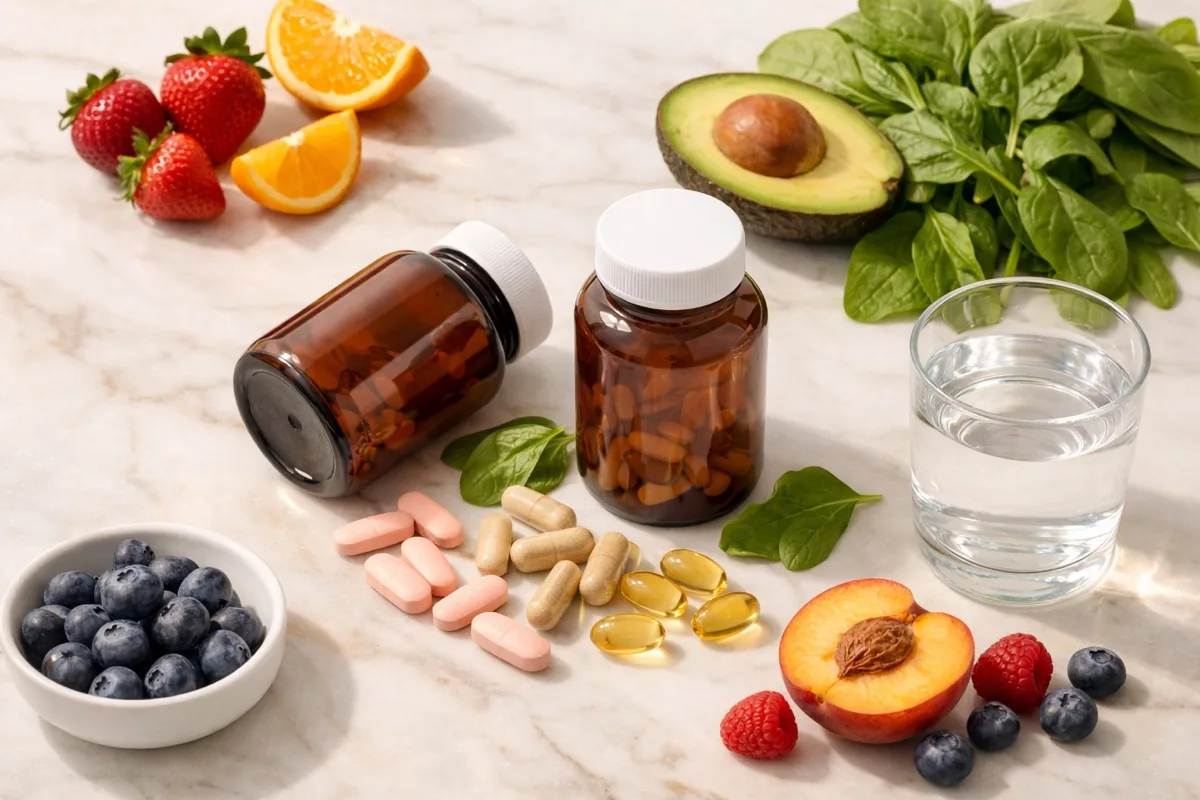
Choosing the right prenatal vitamin is one of the most important decisions you will make during pregnancy. These supplements fill nutritional gaps that even the healthiest diet cannot cover, providing critical nutrients like folate, iron, DHA, and choline that support your baby's brain, spine, and organ development from the earliest weeks.
The American College of Obstetricians and Gynecologists recommends starting a prenatal vitamin at least one month before conception. In 2026, the market has matured significantly — options now range from trimester-specific packs to clean-label subscriptions with full ingredient traceability. Third-party testing, methylated folate (instead of synthetic folic acid), and vegan DHA have become standard features in premium prenatals.
We reviewed the top prenatal vitamins based on nutrient profile, ingredient quality, third-party testing, ease of use, and value. Here are the 10 best options for a healthy pregnancy.
Quick Comparison: Best Prenatal Vitamins 2026
| Prenatal Vitamin | Price (approx.) | Form | Key Feature | Best For |
|---|---|---|---|---|
| Ritual Essential Prenatal | $35/mo | Capsule | 350mg vegan DHA + traceability | Overall best |
| Nature Made Prenatal + DHA | $15–20 | Softgel | USP verified, 200mg DHA | Best budget |
| Perelel Prenatal Pack | $50/mo | Daily packs | Trimester-specific formulas | Trimester-tailored |
| One A Day Prenatal 1 | $12–18 | Softgel | Complete multivitamin + DHA | Widely available |
| New Chapter Perfect Prenatal | $35–40 | Tablet | Fermented whole-food nutrients | Best organic |
| Nordic Naturals Prenatal DHA | $25–30 | Softgel | 830mg omega-3 (DHA focus) | Best DHA supplement |
| Vitafusion Prenatal Gummies | $12–15 | Gummy | Great taste, easy to take | Best tasting |
| Garden of Life mykind Prenatal | $30–40 | Tablet | USDA Organic, whole-food based | Best whole food |
| Pink Stork Total Prenatal | $25–30 | Capsule | Ginger + B6 for nausea | Morning sickness |
| SmartyPants Prenatal Formula | $25–30 | Gummy | Omega-3 + folate in gummy form | Best complete gummy |
1. Ritual Essential Prenatal — Best Overall
Ritual Essential Prenatal has earned its place as the top prenatal vitamin in 2026 through an obsessive focus on ingredient quality and transparency. Every batch is third-party tested for heavy metals, and results are publicly available through their Certificate of Traceability — you can literally trace every ingredient back to its source.
The formula includes 350 mg of vegan DHA from microalgae, methylated folate (the bioavailable form that works for the roughly 40 percent of women with MTHFR gene variations), chelated iron that is gentle on the stomach, and choline. The delayed-release capsule design minimizes nausea, and the lemon-scented tab makes it one of the most pleasant prenatals to take.
At $35 per month via subscription, Ritual is a premium option. But for ingredient quality, transparency, and the clinical evidence behind their formulation, it is the standard against which other prenatals are measured.
2. Nature Made Prenatal Multi + DHA — Best Budget Option
Nature Made Prenatal Multi + DHA is the go-to recommendation from pharmacists and OBGYNs for a reason: it is USP verified (meaning an independent lab has confirmed the ingredients match the label), contains 200 mg DHA from wild-caught fish oil, and costs between $15 and $20 for a 90-day supply.
The formula covers all the essentials — folic acid, iron, calcium, vitamin D, and a solid B-vitamin complex. It uses synthetic folic acid rather than methylated folate, which is fine for most women but may be less effective for those with MTHFR variations.
If you want a reliable, doctor-approved prenatal without spending $35+ per month, Nature Made is the clear winner. It is available at virtually every pharmacy and grocery store in America.
3. Perelel Prenatal Pack — Best Trimester-Specific
Perelel takes a unique approach by offering trimester-specific formulations. The First Trimester Pack includes extra folate, added vitamin B6, and ginger to combat morning sickness. The Second Trimester Pack adjusts nutrients to support rapid fetal growth. The Third Trimester Pack increases iron and adds nutrients for the final stretch.
Each daily pack contains multiple supplements rather than a single pill, which allows for more comprehensive coverage. The formulas are developed with OBGYNs and use high-quality, bioavailable forms of each nutrient.
At approximately $50 per month, Perelel is the most expensive option on this list. The trimester-specific approach is scientifically sound — nutritional needs do change throughout pregnancy — but whether the premium is worth it depends on your budget and how personalized you want your supplementation to be.
4. One A Day Prenatal 1 — Best Widely Available
One A Day Prenatal 1 combines a complete multivitamin with DHA in a single softgel, making it one of the most convenient options. As the name suggests, you only need one pill per day — no separate DHA supplement required.
The formula includes folic acid, iron, calcium, vitamin D, and omega-3 DHA. It is available at every major retailer, from Walmart and Target to CVS and Walgreens, and costs between $12 and $18 for a 60-day supply.
One A Day lacks the premium ingredients found in Ritual (no methylated folate, lower DHA content) but delivers solid nutritional coverage at an accessible price point.
5. New Chapter Perfect Prenatal — Best Organic
New Chapter Perfect Prenatal uses fermented whole-food nutrients, which the company claims improve absorption and are gentler on the stomach. The formula is Non-GMO Project Verified, made with organic vegetables and herbs, and is ICS certified organic.
Key nutrients include methylated folate, iron from fermented sources (less likely to cause constipation), and a blend of ginger and peppermint for digestive comfort. The fermentation process also creates beneficial probiotics.
The downside is that it requires three tablets per day, and it does not include DHA — you will need a separate omega-3 supplement. Priced at $35 to $40, it is a premium option for those who prioritize organic, whole-food sourcing.
6. Nordic Naturals Prenatal DHA — Best DHA Supplement
Nordic Naturals Prenatal DHA is specifically designed as a DHA supplement to complement your existing prenatal multivitamin. Each serving provides 830 mg of omega-3s with a focus on DHA, which is critical for fetal brain and eye development.
The fish oil is sourced from wild-caught anchovies and sardines, tested for purity and freshness, and comes in a small, easy-to-swallow softgel with natural strawberry flavoring to mask any fishy taste. Nordic Naturals is known for some of the cleanest fish oil in the industry.
This is not a complete prenatal vitamin — it is a DHA supplement meant to be taken alongside one. If your primary prenatal does not include adequate DHA (most gummies do not), Nordic Naturals fills that gap.
7. Vitafusion Prenatal Gummies — Best Tasting
Vitafusion Prenatal Gummies taste like candy — which matters a lot when morning sickness makes swallowing pills feel impossible. The raspberry lemonade flavor makes them something you actually look forward to taking, and at $12 to $15 for a two-month supply, they are among the most affordable options.
The formula includes folate, vitamins A, C, D, E, B6, B12, and a DHA version is available separately. Like most gummies, Vitafusion does not contain iron (iron tastes terrible in gummy form), so you may need a separate iron supplement if your levels are low.
For women who struggle with pill-based prenatals due to nausea or gag reflex, gummies can be the difference between taking your vitamins consistently and skipping them.
8. Garden of Life mykind Organics Prenatal — Best Whole Food
Garden of Life mykind Organics Prenatal is USDA Organic, Non-GMO Project Verified, and made entirely from real, whole foods — no synthetic vitamins. Nutrients are derived from over 30 organic fruits, vegetables, and herbs.
The formula includes folate from organic lemon peel, iron from curry leaf, and a blend of organic ginger and peppermint for stomach comfort. It is also vegan, gluten-free, and contains no artificial colors or preservatives.
Like New Chapter, it does not include DHA and requires taking the supplement alongside a separate omega-3. Priced at $30 to $40, it appeals to those who want the cleanest possible ingredient list.
9. Pink Stork Total Prenatal — Best for Morning Sickness
Pink Stork Total Prenatal is specifically designed with first-trimester nausea in mind. The formula includes a higher dose of vitamin B6 and organic ginger root — both clinically shown to reduce nausea. The small capsule size and gentle formulation make it easier to keep down.
Pink Stork uses methylated folate (not synthetic folic acid), iron bisglycinate (the gentlest form on the stomach), and includes a full spectrum of B vitamins, vitamin D, zinc, and iodine. It is also Non-GMO and free from major allergens.
Priced at $25 to $30, it sits in the mid-range and is widely available on Amazon. For women battling severe morning sickness in the first trimester, the B6 + ginger combination can make a real difference.
10. SmartyPants Prenatal Formula — Best Complete Gummy
SmartyPants Prenatal Formula stands out among gummy prenatals because it actually includes omega-3 DHA and EPA — most gummies skip this due to taste and formulation challenges. The result is a more complete gummy prenatal that does not require a separate fish oil supplement.
The formula also includes methylfolate, vitamin D3, vitamin K2, B12, and iodine. SmartyPants uses third-party lab testing and their products are Non-GMO verified. The taste is genuinely enjoyable with natural fruit flavors.
Like all gummies, SmartyPants does not contain iron. At $25 to $30, it is reasonably priced for a premium gummy. If you want the convenience and taste of gummies with better nutritional coverage, SmartyPants is the top choice.
How to Choose the Right Prenatal Vitamin
When selecting a prenatal vitamin, look for these key nutrients:
- Folate (400–800 mcg): Methylated folate (5-MTHF) is preferable to synthetic folic acid, especially if you have MTHFR gene variations. Prevents neural tube defects.
- Iron (27 mg): Supports increased blood volume and prevents anemia. Choose chelated or bisglycinate forms for gentler digestion.
- DHA (200–350 mg): Critical for fetal brain and eye development. Vegan options use microalgae; traditional options use fish oil.
- Choline (at least 150 mg): Supports brain development and placental function. Often under-dosed or missing from prenatals.
- Vitamin D (600–2000 IU): Essential for calcium absorption and bone development.
- Iodine (150 mcg): Supports thyroid function and fetal brain development.
Start taking your prenatal at least one to three months before trying to conceive. If you are unsure which to choose, get bloodwork done first and consult with your OB-GYN. For additional health and wellness resources, check our prenatal vitamins guide for in-depth product comparisons.
Frequently Asked Questions
When should I start taking prenatal vitamins?
The American College of Obstetricians and Gynecologists recommends starting prenatal vitamins at least one month before conception, though most healthcare providers suggest starting one to three months before trying to conceive. The neural tube develops in the first 28 days of pregnancy — often before you even know you are pregnant — so having adequate folate levels beforehand is critical.
What is the difference between folic acid and methylated folate?
Folic acid is the synthetic form of vitamin B9 that must be converted by your body before it can be used. Methylated folate (5-MTHF) is the already-active form that your body can use immediately. Approximately 40 percent of people have MTHFR gene variations that reduce their ability to convert folic acid, making methylated folate the more reliable option. Premium prenatals like Ritual, New Chapter, and Pink Stork use methylated folate.
Do gummy prenatal vitamins work as well as pills?
Gummy prenatals provide most essential nutrients but typically lack iron (it tastes bad in gummy form) and may have lower doses of some vitamins due to formulation limits. If you choose gummies like Vitafusion or SmartyPants, you may need a separate iron supplement. The biggest advantage of gummies is compliance — you are more likely to take them consistently if they taste good, which matters more than having the perfect nutrient profile on paper.
Can prenatal vitamins cause nausea?
Yes, prenatal vitamins can cause nausea, primarily due to their iron content. To minimize this, take your prenatal with food (not on an empty stomach), try taking it at night before bed, or switch to a formula with gentler iron forms like iron bisglycinate. Pink Stork includes B6 and ginger specifically to combat nausea. Gummy prenatals, which lack iron, are another option if nausea is severe.
Are expensive prenatal vitamins worth it?
It depends on what you value. Budget options like Nature Made ($15–20) and One A Day ($12–18) provide all the essential nutrients in USP-verified formulas. Premium options like Ritual ($35/month) offer methylated folate, higher DHA doses, cleaner ingredients, and full traceability. The most important thing is taking a prenatal consistently — a $15 vitamin you take every day is better than a $50 vitamin you forget or skip because of nausea.