The Complete DIY Car Wash Guide: Save Money While Protecting Your Investment
Maintaining your vehicle's appearance doesn't have to mean expensive trips to professional detailing centers. With the right approach, you can achieve showroom-quality results from the comfort of your own driveway while keeping more money in your pocket.
Professional car washes can cost anywhere from $20 to $100 per visit, and the waiting time alone can eat up valuable hours from your schedule. By mastering the art of DIY car washing, you'll not only reduce these recurring expenses but also develop a deeper understanding of your vehicle's maintenance needs. Plus, regular washing protects your car's paint and finish, directly contributing to higher resale value down the road.
Let's explore three fundamental strategies that will transform your car washing routine from a chore into an efficient, rewarding practice.
1. Invest in Quality Cleaning Equipment
The foundation of any successful DIY car wash starts with having the proper tools at your disposal. While it might be tempting to grab whatever's under the sink, using automotive-specific equipment makes a dramatic difference in both results and efficiency.
Essential tools for your car washing arsenal include:
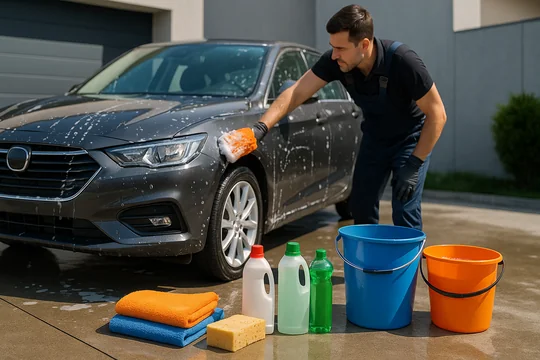
A complete setup should feature microfiber towels (which prevent scratching), a dual-bucket system (one for soapy water, one for rinsing), soft-bristle brushes for wheels and tight spaces, and a reliable vacuum cleaner for interior detailing. Don't overlook the importance of a quality water source—a pressure washer or hose with adjustable nozzle settings provides the water pressure needed to remove stubborn dirt without damaging your vehicle's finish.
Protective gear matters too. Waterproof gloves protect your hands from harsh chemicals and prolonged water exposure. For those who want to simplify the shopping process, all-in-one car wash supply kits offer excellent value and ensure you have compatible tools that work well together.
2. Choose the Right Cleaning Products
Not all car shampoos are created equal, and selecting the appropriate detergent for your specific needs can mean the difference between a mediocre wash and a professional-grade clean.
The market offers several specialized formulations designed for different purposes. Standard car wash soap provides gentle cleaning for regular maintenance washes. Wash-and-wax combination shampoos streamline your routine by cleaning and adding a protective layer simultaneously. If you're preparing your vehicle for repainting or need to remove old wax buildup, strip shampoos offer aggressive cleaning power.
Beyond basic shampoos, consider stocking specialized products like degreasers for engine bays and undercarriages where oil and grease accumulate. Dedicated upholstery cleaners tackle interior stains more effectively than all-purpose solutions. Reading product reviews and understanding your vehicle's specific requirements will guide you toward the most effective options for your situation.
3. Develop Smart Organizational Habits
Consistency separates vehicles that always look pristine from those that quickly deteriorate between washes. Implementing smart organizational systems makes cleanliness sustainable rather than a constant battle.
Prevention is your best strategy. Installing quality seat covers creates a protective barrier against dirt, spills, and wear. Keeping a supply of cleaning wipes in your glove compartment means minor messes can be addressed immediately before they set in. Regular vacuuming—even just a quick five-minute session every few days—prevents dirt from becoming embedded in carpets and upholstery.
For families with children, establishing clear rules about eating and drinking in the vehicle significantly reduces cleaning demands. A simple trick for cup holders involves lining them with silicone cupcake liners that can be easily removed and washed when they get dirty.
Even with diligent DIY maintenance, scheduling professional detailing once or twice yearly addresses deep cleaning needs and helps identify potential issues before they become problems. Keep all vehicle documentation organized in a designated folder or box so important papers don't contribute to clutter.
The Long-Term Value of Proper Car Care
The benefits of regular DIY car washing extend far beyond aesthetics. Consistent cleaning removes corrosive substances like road salt, bird droppings, and tree sap before they can damage your paint. This protection preserves your vehicle's appearance and significantly impacts resale value—well-maintained cars consistently command higher prices in the used market.
Moreover, the time you spend washing your car becomes an opportunity to notice potential issues early. You might spot a developing rust spot, a small paint chip that needs touch-up, or fluid leaks that warrant attention. This hands-on approach to maintenance can prevent minor problems from escalating into costly repairs.
By implementing these three core strategies—proper equipment, quality products, and smart organization—you'll develop a car washing routine that's both effective and efficient. Your vehicle will consistently look its best, your wallet will thank you, and you'll gain the satisfaction of knowing you're actively protecting one of your most significant investments.