Zoom Will Now Detect AI-Generated Participants in Video Calls
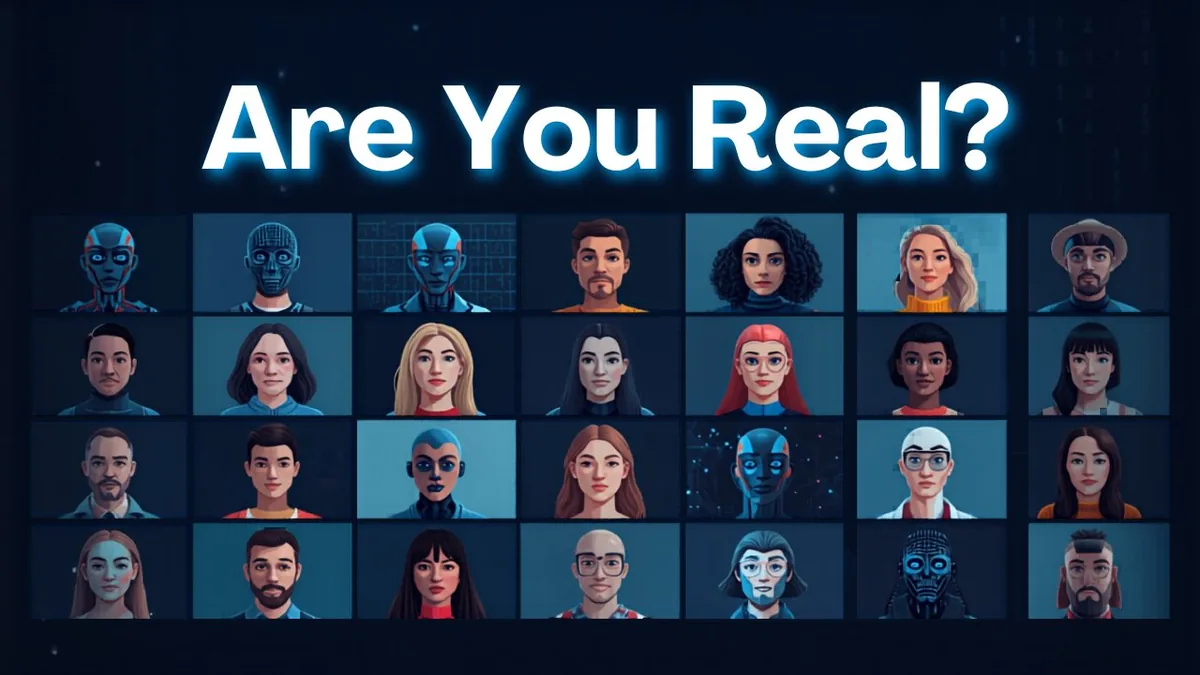
Zoom is rolling out a new AI detection feature that will automatically identify whether meeting participants are real humans or AI-generated personas. The announcement signals a major shift in how video conferencing platforms are addressing the growing challenge of synthetic identities in professional settings.
How Zoom's AI Detection Technology Works
Zoom's new system analyzes multiple real-time signals — including facial movement patterns, audio consistency, and behavioral cues — to flag participants that may be AI-generated or deepfake-based. When the system detects a likely synthetic participant, meeting hosts will receive a discreet notification allowing them to take action.
The feature is being developed in response to rising concerns about AI "ghost participants" — automated agents that can join calls, record conversations, and even respond to questions without human oversight. Early testing has reportedly shown high accuracy in distinguishing between genuine users and AI-driven avatars.
Zoom has not yet disclosed a public release timeline, but the detection capability is expected to roll out first for enterprise customers and then expand to all users in subsequent updates.
Why Enterprises Are Pushing for AI Participant Detection
The rise of AI agents capable of joining meetings autonomously has created real security and compliance headaches for businesses. In regulated industries like finance and healthcare, having an unverified AI entity in a meeting could violate privacy laws and internal governance policies.
Large enterprises have lobbied Zoom and rivals like Microsoft Teams and Google Meet to build safeguards against unauthorized AI participants. Zoom's move could set an industry precedent that accelerates similar features from competitors. As half of US workers now use AI on the job, the boundary between human and AI in professional settings has never been blurrier.
Broader Implications for AI Transparency in the Workplace
Zoom's detection feature is part of a wider push for AI transparency in digital workplaces. The question of whether meeting attendees should be required to disclose when they are using AI assistance — or when an AI is acting on their behalf — is increasingly on the agenda for regulators and HR teams alike.
The feature ties into ongoing debates about AI identity disclosure. Surveillance tools already track hundreds of millions of devices for behavioral signals, and applying similar techniques to video calls raises its own privacy questions that Zoom will need to address carefully.
Industry observers say the move reflects broader platform accountability: if video call providers do not police synthetic participants proactively, they risk being seen as enablers of deception in professional and legal contexts.
Frequently Asked Questions
What is Zoom's AI participant detection feature?
Zoom's AI participant detection is a new feature that uses behavioral and visual analysis to identify AI-generated or deepfake participants in video calls, alerting meeting hosts in real time.
Why is detecting AI participants in meetings important?
AI-generated participants can record, analyze, or manipulate meetings without consent, creating security and compliance risks especially in regulated industries like finance and healthcare.
When will Zoom release the AI detection feature?
Zoom has not announced a firm release date, but the feature is expected to roll out for enterprise users first, with broader availability in subsequent updates.
The Bottom Line
Zoom's decision to build AI participant detection into its platform marks a meaningful step toward accountability in the age of synthetic identities. As AI agents become more capable of mimicking human behavior in professional settings, platform-level safeguards like this will be essential — and the rest of the video conferencing industry will likely follow suit.