YouTube Expands Deepfake Detection Tool to Anyone at High Risk of Likeness Abuse
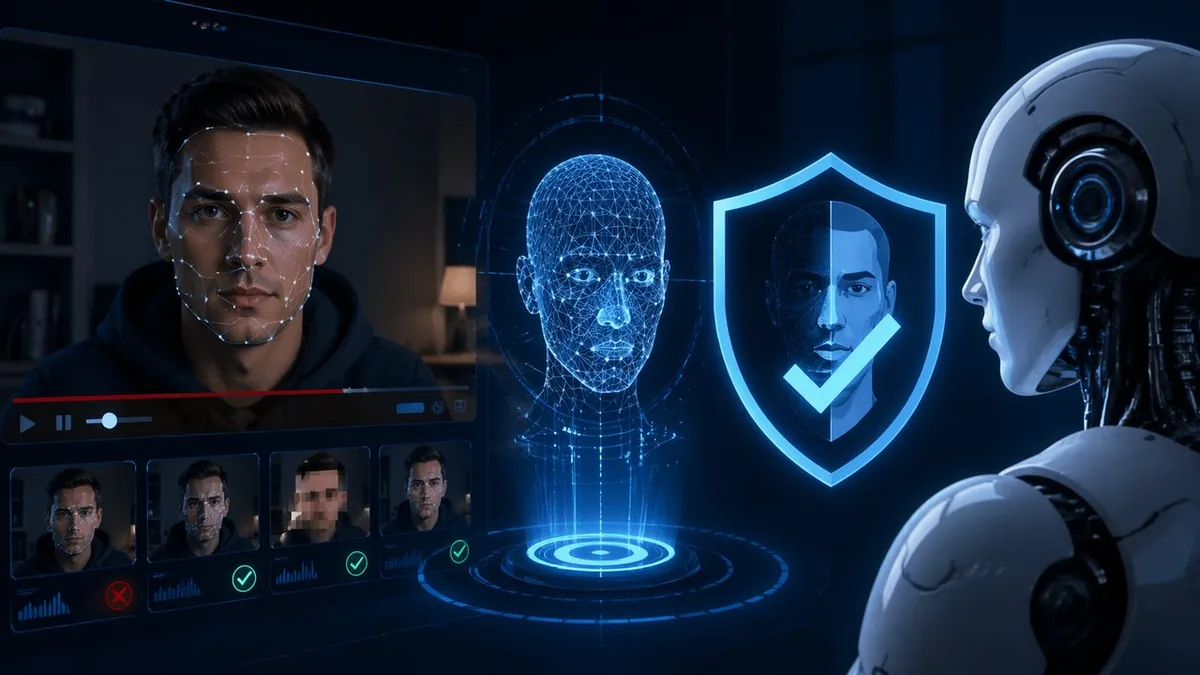
YouTube has expanded its AI-powered deepfake detection tool to any user at high risk of having their likeness misused in synthetic content — broadening access beyond the public officials and politicians who had previously been the primary beneficiaries of the protection. The expansion reflects the growing threat of AI-generated deepfakes targeting private individuals, journalists, activists, and public figures outside politics.
How the Tool Works
YouTube's deepfake detection system uses AI to identify videos that contain synthetic or manipulated representations of a specific person's face or voice. Users who are granted access can request scans of content on the platform for unauthorized use of their likeness. When a match is detected, YouTube notifies the affected person and offers options to report or request removal of the content under its synthetic media policies.
Why the Expansion Matters
The original rollout to politicians and public officials reflected the most visible early targets of deepfake abuse — fabricated political speeches and misleading election content. However, the broader threat has expanded significantly as AI tools have become more accessible. Journalists investigating organized crime, activists in authoritarian contexts, corporate executives, and even private individuals have become targets of synthetic media designed to defame, harass, or manipulate.
The Deepfake Threat Landscape
AI-generated deepfakes have proliferated dramatically since 2023 as generative video models became commercially available. YouTube, as the world's largest video platform, has become a primary distribution channel for synthetic media — both legitimate creative content and harmful fabrications. The platform has faced sustained pressure from advocacy groups, lawmakers, and affected individuals to do more to detect and remove non-consensual synthetic content.
Platform Policy Context
YouTube updated its synthetic media policies in 2024 to require disclosure labels on AI-generated content and to prohibit realistic deepfakes of identifiable individuals without consent. The detection tool expansion operationalizes those policies — giving affected people a practical mechanism to identify violations rather than relying on manual reporting or platform-wide enforcement sweeps.
The Bottom Line
YouTube's deepfake detection expansion is a meaningful step toward protecting more individuals from synthetic media abuse. But the effectiveness of the tool will depend on how accessible it is in practice, how quickly takedowns are actioned, and whether the detection AI can keep pace with rapidly improving generation models.