Why Nobody Is Talking About Change in Climate And What You Need to Know Now!
In today's fast-paced world, where we're all glued to our screens, something incredibly important is happening right under our noses, and hardly anyone is talking about it.
Climate change is a topic we hear about often, but there's a specific change that's quietly slipping under the radar, and it's something we all need to be aware of.
This article will explore the overlooked aspects of climate change that are happening right now and explain what you need to know to understand the situation fully.
But don't worry; we're going to keep it simple and relatable. Imagine chatting with a friend over a cup of coffee - just an easygoing conversation about something really important.
The Unseen Shift in Climate Patterns
Climate change is often associated with rising temperatures, melting ice caps, and extreme weather events like hurricanes and floods. But there's more happening beneath the surface. In recent years, scientists have observed subtle shifts in the climate that aren't making headlines but have significant implications for our planet.
One of the most important changes is the alteration in seasonal patterns. For example, you might have noticed that winters aren't as cold as they used to be, or maybe spring comes a little earlier each year. These changes might seem small, but they have a ripple effect on ecosystems, agriculture, and even our daily lives.
The Impact on Agriculture and Food Security
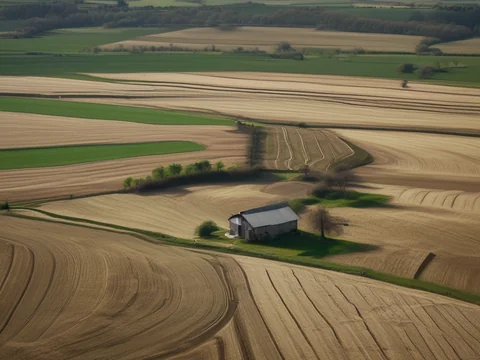
Let's start with something that affects everyone: food. The food we eat relies heavily on predictable weather patterns. Farmers depend on specific seasons for planting and harvesting crops. However, with the changing climate, these seasons are becoming less predictable. This unpredictability is causing problems for farmers who are struggling to keep up with the shifting weather.
Imagine if you planted a garden in your backyard, expecting your tomatoes to ripen in July, but suddenly, July feels like September. Your tomatoes might not ripen as they should, or worse, they might not grow at all. On a larger scale, this is happening to farmers around the world. Crops are failing, yields are decreasing, and food prices are rising as a result.
The Threat to Biodiversity
Another aspect of climate change that isn't getting enough attention is the threat to biodiversity. Our planet is home to an incredible variety of plants and animals, each adapted to its own specific environment. However, as the climate changes, these environments are shifting, and not all species can adapt quickly enough.
Think about it this way: If you were suddenly moved from your cozy, warm home to a freezing cold environment, you'd struggle to survive. That's exactly what's happening to many species around the world. For example, animals that are adapted to cold climates, like polar bears, are finding it harder to find food as their icy habitats shrink. Meanwhile, species in warmer climates are facing new threats from invasive species that thrive in the changing conditions.
The Hidden Cost of Extreme Weather
We're all familiar with the dramatic images of hurricanes, floods, and wildfires that make the news. But what doesn't get as much attention are the long-term effects of these extreme weather events. After the storm has passed, the real struggle begins for the communities affected.
Imagine losing your home to a flood. It's not just the immediate loss of property that's devastating; it's the long, drawn-out process of rebuilding your life. Many people are forced to move to new areas, leaving behind their jobs, schools, and communities. This displacement has a lasting impact on mental health, economic stability, and social cohesion.
Moreover, the cost of rebuilding after these disasters is astronomical. Governments and insurance companies are spending billions of dollars to repair the damage, and these costs are only going to rise as extreme weather events become more frequent.
The Silent Migration Crisis
One of the most underreported consequences of climate change is the migration crisis it's creating. As certain regions become uninhabitable due to rising sea levels, extreme temperatures, or prolonged droughts, people are being forced to leave their homes in search of safer places to live.
This isn't just happening in far-off places; it's happening right here in our own countries. Coastal communities are particularly vulnerable as rising sea levels threaten to swallow homes and businesses. In some areas, entire towns are being relocated to higher ground, disrupting lives and livelihoods.
Think about it like this: What if you had to pack up everything and move because your neighborhood was no longer safe? It's not just about finding a new house; it's about starting over in a place where you might not know anyone, finding a new job, and adjusting to a new way of life. This is the reality for many people today, and it's a problem that's only going to grow.
The Economic Implications
All these changes have a profound impact on the economy. When agriculture suffers, food prices go up. When extreme weather destroys homes and infrastructure, insurance costs rise. When people are forced to migrate, it creates pressure on housing markets and social services in the areas they move to.
But there's another economic angle to consider: the cost of doing nothing. If we ignore these changes and continue with business as usual, the long-term economic consequences could be catastrophic. Investing in sustainable practices, renewable energy, and climate adaptation strategies now could save us billions in the future.
What Can You Do?
It's easy to feel overwhelmed by the scale of the problem, but there are steps we can all take to make a difference. First, we need to stay informed. The more we understand about these subtle changes in climate, the better equipped we'll be to adapt to them.
Next, we can support policies and initiatives that aim to address climate change. This might mean voting for leaders who prioritize environmental issues, supporting businesses that use sustainable practices, or even making changes in our own lives, like reducing our carbon footprint.
Finally, we can spread the word. One of the reasons nobody is talking about these changes is that they're not as immediately dramatic as a hurricane or a wildfire. But by starting conversations with friends, family, and colleagues, we can help raise awareness and encourage action.
Conclusion
The changes in our climate are happening right now, and while they may not always make headlines, they are having a profound impact on our world. From shifting seasons to threatened species, from extreme weather to economic instability, these changes affect us all. But by staying informed, supporting climate-friendly policies, and spreading the word, we can help ensure a safer, more sustainable future for everyone.