When Healthcare Feels Like a Full-Time Job: Finding Order in the Chaos of Meds, Referrals, and Follow-Ups
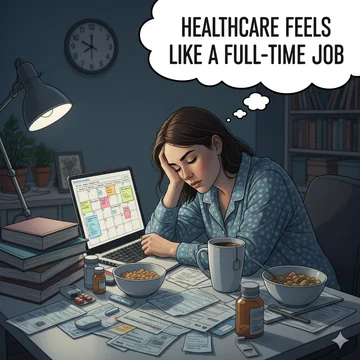
Between specialists, prescriptions, and a calendar full of follow-up visits, managing your own healthcare can start to feel less like staying healthy and more like juggling a part-time job you never applied for. The average adult now sees multiple doctors a year, each with their own portals, forms, and systems. It’s no wonder so many people feel overwhelmed trying to keep track of it all. But there are smarter ways to organize the chaos without losing momentum on your actual health. It starts with a shift in mindset and a few tools that simplify rather than complicate the process.
The Overload Problem
Modern medicine runs on coordination, yet that coordination rarely includes the patient in the middle of it all. One specialist wants blood work results, another ordered last month. Your primary doctor needs to see your medication list, which the pharmacist updates differently. Multiply that across a year of appointments and it’s easy to see why burnout isn’t limited to healthcare workers. Patients are exhausted too, especially those managing long-term conditions or caring for family members.
The real challenge isn’t just remembering appointments, it’s handling the noise that comes with them. Text reminders, lab notifications, insurance authorizations, all firing at once. The system assumes people can juggle it, but most of us don’t have time to live like a walking spreadsheet.
Finding a Better System
Technology isn’t always the cure-all it promises to be, but some tools actually lighten the load. The most useful are those that consolidate communication and scheduling into one accessible place. For instance, using a one-stop healthcare scheduling platform can streamline your appointments by pulling your specialists, lab visits, and follow-ups into a single view. Instead of juggling half a dozen logins, you can see your entire healthcare picture in one timeline.
The benefit isn’t just convenience. When you see every appointment in context, you notice gaps and overlaps that often slip through the cracks. Maybe your physical therapy session lands right before your medication refill date, or you realize your follow-up with the cardiologist is better scheduled after your lab results. A unified system makes those adjustments obvious and effortless.
The Human Element
No matter how advanced technology gets, what patients still crave is a sense of being seen and heard. That means honest communication with doctors and pharmacists, even if it means pushing for clarity. Too often, patients leave appointments unsure of what was prescribed or why a new test was ordered. Taking notes during visits, requesting visit summaries, and clarifying next steps can keep things from snowballing into confusion later.
If you manage medications for yourself or someone else, treat it like balancing a checkbook. Keep a running list with dosage, frequency, and prescribing doctor. It’s not glamorous, but it’s grounding. When something changes, you’ll see it immediately rather than discovering it weeks later when a refill doesn’t go through.
Where Tech Meets Mental Health
The nonstop nature of healthcare logistics can wear anyone down, but new forms of mental health technology are helping patients cope with the stress of constant management. From digital therapy sessions to medication-tracking apps with built-in mindfulness prompts, the line between physical and emotional care is finally blurring in a healthy way. It’s not about replacing human connection but making it easier to stay steady when life gets medically complicated.
It’s easy to underestimate how much mental bandwidth healthcare management consumes. When you’re tired from appointments and paperwork, stress becomes its own health risk. Mental health tech can’t fix the system, but it can help people feel a little less alone inside it. Sometimes that’s enough to keep you from slipping into frustration or fatigue.
Making Coordination Work for You
Healthcare doesn’t have to be an obstacle course. When you think of your doctors as a team instead of separate players, coordination starts to make sense. Let your specialists know about each other, share updates between visits, and keep a short document with your essential information handy. It’s the kind of small effort that saves big headaches down the line.
If possible, designate one main provider to serve as the anchor of your care. It might be your primary doctor, nurse practitioner, or even a trusted pharmacist. When that person knows your full story, you have a steady line of communication that helps prevent repeat tests and conflicting advice. The goal isn’t perfection, it’s progress that actually sticks.
Staying healthy shouldn’t feel like your second job. It should feel like an investment in the life you actually want to live, one appointment at a time.