What Peter Attia’s Exit Means for the Longevity Industry
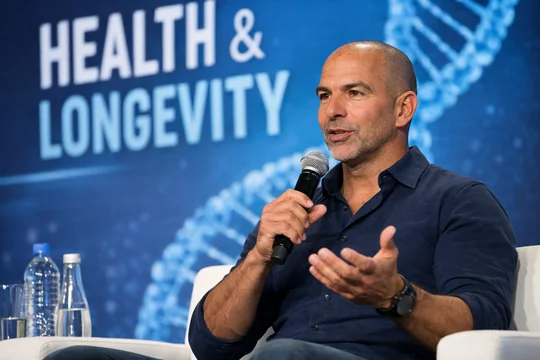
The Peter Attia Controversy Is Bigger Than One Exit
The recent Peter Attia controversy has quickly moved from a personal reckoning to a broader industry moment. When one of the most influential voices in longevity medicine steps away from a high-profile startup role, it raises uncomfortable but necessary questions about trust, governance, and reputation in modern health brands.
This isn’t just about one executive leaving one company. It’s about how credibility is built—and lost—in an industry that sells optimization, prevention, and long-term wellbeing.
Key Facts: What Actually Happened
Dr. Peter Attia has stepped down as Chief Science Officer at David Protein, a fast-growing New York–based nutrition startup known for its high-protein bars. The announcement was made publicly by the company’s founder on X.
The move followed the release of more than 1,700 documents tied to Jeffrey Epstein, in which Attia’s name appeared in email correspondence. According to his own public statement, Attia acknowledged that some of the emails contained “crude” language but denied any criminal involvement, stating he never visited Epstein’s island or traveled on his plane.
David Protein, founded three years ago, raised a $75 million Series A round in 2024 and has seen rapid growth since launching its flagship protein bar. Attia was not only part of the executive team but also an early investor.
Separately, Biograph—a premium longevity and preventive health startup co-founded by Attia—has removed references to him from parts of its website and declined to comment on his current role.
Why This Matters to the Longevity Industry
The Peter Attia controversy lands at a sensitive time for the longevity and preventive health space. These companies don’t just sell products or services; they sell trust, expertise, and long-term promises.
When a prominent figure faces reputational fallout, it creates ripple effects:
-
Consumers question the integrity behind the science
-
Investors reassess brand risk exposure
-
Startups are forced to clarify how closely identity is tied to individuals
Longevity brands often lean heavily on founder-led authority. Books, podcasts, and personal brands become marketing engines. That strategy works—until it doesn’t.
The Bigger Trend: Reputation Risk in Health Startups
This episode highlights a growing tension in health entrepreneurship: visibility versus vulnerability.
In sectors like fintech or SaaS, leadership scandals may cause short-term turbulence. In health and wellness, the stakes are higher. Customers are making decisions about their bodies, their money, and their futures.
The takeaway isn’t that startups should avoid charismatic experts. It’s that governance, transparency, and contingency planning matter just as much as scientific credentials. Over-indexing on a single personality can turn into a liability overnight.
For readers interested in broader patterns, this mirrors issues discussed in [INTERNAL LINK: founder-led brand risk] and [INTERNAL LINK: trust in digital health platforms].
What Happens Next: Likely Implications
Here’s what we’re likely to see in the months ahead:
-
Stronger separation between brand and individual
Health startups may downplay single-expert dominance and highlight team-based science. -
More proactive reputation management
Investors and boards will push for clearer crisis-response frameworks. -
Increased consumer skepticism
Audiences may demand more transparency about advisory roles, funding ties, and governance. -
Short-term noise, long-term normalization
For companies like David Protein, product performance and customer trust will ultimately matter more than headlines—if leadership acts decisively.
Practical Takeaways for Founders and Consumers
For founders in health, nutrition, or longevity:
-
Build credibility systems, not personality cults
-
Prepare for reputational risk as seriously as regulatory risk
-
Communicate early, clearly, and consistently
For consumers:
-
Separate products from personalities
-
Look for evidence-based claims beyond marketing
-
Favor brands that are transparent about leadership and science
A Forward-Looking Perspective
The Peter Attia controversy is unlikely to derail the longevity industry—but it may mature it. Moments like this force companies, investors, and audiences to recalibrate what trust really means in preventive health.
In the long run, that’s not a setback. It’s a stress test—and the strongest brands will come out more resilient, more transparent, and more credible than before.
FAQ SECTION
Q: Why did Peter Attia step down from David Protein?
A: Peter Attia stepped down after his name appeared in documents related to Jeffrey Epstein. While he denied criminal involvement, the company chose to separate amid reputational concerns.
Q: Is David Protein facing legal or financial trouble?
A: There is no indication of legal or financial issues. The company remains well-funded and operational, and the leadership change appears precautionary rather than reactive to business performance.
Q: Is Peter Attia still involved in Biograph?
A: Biograph has declined to comment. References to Attia have been removed from parts of its website, but no formal announcement has clarified his current role.