What Makes Roadway Concrete Barriers Effective for Traffic Control?
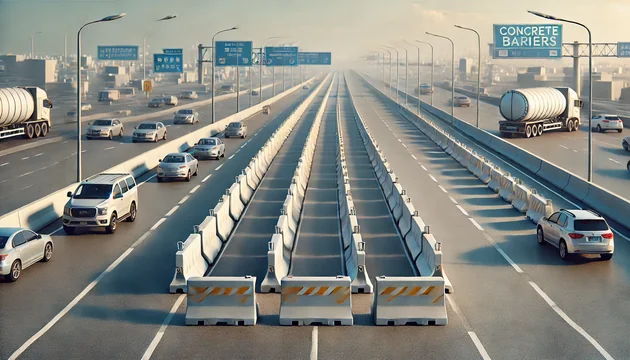
Roadway concrete barriers play a crucial role in modern traffic management. These robust structures are designed to enhance safety and improve traffic flow on highways, construction sites, and urban roads. Concrete barriers effectively redirect vehicles, absorb impact energy, and prevent crossover accidents, making them indispensable for road safety.
The durability and versatility of roadway concrete barriers set them apart from other traffic control solutions. Made from high-strength concrete, these barriers withstand harsh weather conditions and repeated impacts without compromising their structural integrity. Their modular design allows for easy installation, removal, and reconfiguration to adapt to changing traffic patterns or construction needs.
Beyond their primary function of preventing vehicle collisions, concrete barriers serve multiple purposes in traffic control. They can be used to create temporary lanes during road maintenance, protect work zones, and guide traffic through complex intersections. Their effectiveness in managing traffic flow and reducing accidents has made them a standard feature on many highways and busy urban streets.
Key Takeaways
- Concrete barriers enhance road safety by redirecting vehicles and preventing crossover accidents
- These barriers are durable, versatile, and adaptable to various traffic control scenarios
- Concrete barriers improve traffic flow and protect both motorists and construction workers in work zones
Design and Features of Concrete Barriers
Concrete barriers incorporate specific design elements and features to maximize their effectiveness in traffic control and road safety. These structures utilize specialized shapes, materials, and engineering principles to protect motorists and pedestrians.
Types of Concrete Barriers
Jersey barriers and F-shape barriers are two common types used on roadways. Jersey barriers have a distinctive sloped face that redirects vehicles upon impact. F-shape barriers offer a similar design but with a lower slope near the bottom.
New Jersey barriers, a variant of jersey barriers, feature a steeper lower slope for improved vehicle redirection. Temporary concrete barriers are movable units used in construction zones or for short-term traffic management.
Precast concrete barriers offer flexibility in installation and removal. Water-filled barriers provide a lightweight alternative that can be quickly deployed and filled on-site for stability.
Durability and Maintenance
Concrete barriers excel in durability, often lasting decades with minimal upkeep. Their solid construction resists weathering, UV radiation, and repeated vehicle impacts. This longevity translates to cost-effectiveness over time.
Regular inspections help identify any cracks or damage. Simple repairs like patching can extend barrier life. Proper drainage design prevents water accumulation, reducing freeze-thaw damage in cold climates.
Modular designs allow for easy replacement of damaged sections without disturbing the entire barrier line. This feature simplifies maintenance and reduces traffic disruptions during repairs.
Safety Features and Impact Resistance
Concrete barriers are engineered to absorb and redirect impact forces during collisions. Their mass and shape work together to minimize vehicle penetration and rollovers.
Reinforced concrete and steel rebar within the barriers enhance strength. Some designs incorporate energy-absorbing materials or crumple zones to further dissipate collision forces.
Crash testing ensures barriers meet stringent safety standards. Designs are evaluated for their ability to redirect vehicles of various sizes and speeds, from small cars to large trucks.
Enhanced Visibility and Aesthetics
Reflective markings or built-in reflectors improve barrier visibility at night and in poor weather. Some barriers feature bright colours or patterns to increase daytime visibility.
Textured surfaces or imprinted designs can enhance visual appeal while maintaining functionality. These aesthetic improvements help barriers blend with urban landscapes.
Noise-reducing barriers combine traffic control with sound attenuation. These specialized designs feature sound-absorbing materials or shapes that deflect noise away from residential areas.
Applications and Advantages in Traffic Management
Concrete barriers serve multiple purposes in traffic management, offering a robust solution for various scenarios. They excel in both permanent and temporary applications, providing safety and control in urban and highway settings.
Versatility and Urban Application
Concrete barriers adapt well to diverse urban environments. City planners utilize them for long-term traffic control on busy streets and highways. In construction zones, these barriers create safe work areas while maintaining traffic flow. Their modular design allows for quick setup and removal in temporary situations like road repairs or special events.
Permanent installations include median dividers on highways and protective barriers around sensitive infrastructure. Urban settings benefit from concrete barriers' ability to blend with existing architecture. Some designs incorporate aesthetic elements to enhance city landscapes.
Traffic Flow and Work Zone Safety
On highways and in construction zones, concrete barriers play a crucial role in managing traffic flow and protecting workers. They effectively separate opposing lanes of traffic, reducing head-on collisions. During roadwork, these barriers create a safe buffer between construction crews and passing vehicles.
Concrete barriers help maintain traffic patterns during infrastructure projects. They guide vehicles through detours and lane shifts, minimizing congestion and delays. Their high visibility, often enhanced with reflective markers, improves safety in low-light conditions.
In highway construction, concrete barriers allow work to continue safely alongside active traffic lanes. This capability keeps roads open during upgrades and repairs, reducing the economic impact of prolonged closures.
Pedestrian Safety and Crowd Control
Concrete barriers offer robust protection for pedestrians in urban areas. They create safe walkways along busy streets and separate foot traffic from vehicles in high-risk zones. At crosswalks and transit stops, these barriers provide an added layer of security for waiting pedestrians.
During public events, concrete barriers serve as effective crowd control measures. They create secure perimeters and manage access points, enhancing safety at festivals, parades, and sports events. Their weight and stability prevent unauthorized vehicle entry, addressing security concerns at large gatherings.
In emergency situations, concrete barriers can quickly establish evacuation routes or secure areas. Their rapid deployment makes them valuable for law enforcement and emergency response teams.
Comparison with Other Barrier Systems
Concrete barriers offer several advantages over alternative systems like metal guardrails. They provide superior impact resistance, crucial for high-speed environments. Unlike guardrails, concrete barriers rarely need replacement after collisions, reducing long-term maintenance costs.
In flood-prone areas, concrete barriers double as flood control measures. Their solid construction helps divert water flow, protecting roads and adjacent properties. This dual functionality makes them a cost-effective solution for regions facing multiple infrastructure challenges.
While initial installation costs may be higher than some alternatives, concrete barriers' durability and low maintenance requirements often result in lower lifetime expenses. Their effectiveness in various applications, from traffic control to security, makes them a versatile investment for many municipalities and transportation departments.
Conclusion
Concrete barriers stand as a critical component in modern traffic control systems. Their robust construction, impact resistance, and versatility make them highly effective for protecting motorists and workers alike. These barriers excel at redirecting vehicles, reducing accident severity, and maintaining traffic flow in various scenarios. As road infrastructure continues to evolve, concrete barriers will likely remain an essential tool for enhancing safety and efficiency on roadways.