What Happens If You Miss a Spot? The Consequences of Poor Insulation Placement
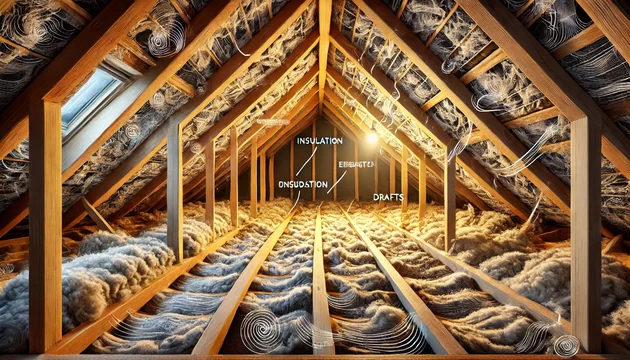
When insulating a metal building like a workshop or garage, every area matters. Proper insulation can improve comfort, save energy, and protect your structure, but missing a spot or not addressing the right areas can lead to a variety of problems. Let's explore the consequences of poor insulation placement and why every part of your metal building needs to be properly insulated.
Temperature Inconsistencies
The Issue: Missing key areas like the roof or walls can lead to drastic temperature differences within your workshop or garage. While one corner of the space may be comfortably warm, other areas might feel chilly or hot, making it harder to work or store sensitive equipment.
Consequences:
- Uncomfortable Work Environment: If your workshop gets too cold in the winter or unbearably hot in the summer, it can affect both your productivity and the tools you use. Some machinery or tools might even become damaged by extreme temperatures.
- Higher Heating and Cooling Costs: When the insulation is incomplete, you'll find yourself using more energy to maintain the desired temperature. Without proper coverage, drafts can sneak in, making it harder to keep the space comfortable. Read these expert tips for roof insulation with Bluetex for effective building improvements.
Condensation and Moisture Issues
The Issue: Failing to insulate areas such as the roof or walls, where temperature fluctuations are most likely, can result in condensation build-up. This occurs when warm air meets cold surfaces, leading to water droplets forming inside the building.
Consequences:
- Rust and Corrosion: For metal workshops and garages, condensation can be a significant problem. If moisture accumulates on your tools, equipment, or the building's structure, it can lead to rust and corrosion, which can severely damage both the infrastructure and your equipment.
- Mould and Mildew Growth: Moisture trapped in uninsulated areas can lead to the growth of mould and mildew, particularly in areas like the walls and ceiling. This not only creates an unpleasant smell but can also cause health issues and degrade your building's structural integrity.
Increased Noise Pollution
The Issue: Insulating a building also helps to reduce noise. Failing to insulate areas like the walls or ceiling can result in a noisy environment, particularly if you're using power tools or working with loud machinery.
Consequences:
- Disruptive Work Environment: Uninsulated walls and ceilings allow sound to travel freely, which means not only will the noise disrupt your work, but it could also disturb neighbours or other members of your household.
- Health Implications: Constant exposure to loud noise without soundproofing can lead to hearing problems over time, especially if you work in a noisy environment regularly.
Energy Inefficiency
The Issue: Missing insulation in strategic spots, such as the floor or around doors and windows, results in heat loss or heat gain. This can lead to your heating and cooling systems working overtime to try and regulate the temperature.
Consequences:
- Higher Utility Bills: When your metal building is poorly insulated, your heating and air conditioning systems will have to work harder to maintain a comfortable temperature. This translates into higher energy bills over time.
- Uneven Energy Distribution: Incomplete insulation can also result in areas of the building that are colder or hotter than others. This means that, while you may be using heating or cooling in one spot, other areas are still inefficient and energy-wasting.
Structural Damage Over Time
The Issue: Neglecting insulation in areas like the floor or foundation can expose your building to structural damage. Cold air, moisture, and extreme weather conditions can affect both the materials of the building and the tools you store inside.
Consequences:
- Foundation Damage: If you miss insulating your floor or foundation, moisture can seep in, potentially weakening the foundation and causing long-term damage.
- Increased Wear and Tear on Equipment: Tools and equipment stored in an improperly insulated space are at greater risk of being damaged by temperature swings and humidity, which could lead to rusting, warping, or mechanical failure.
Is It Too Late to Insulate Your Metal Building in Winter?
Have you decided that you want to insulate your metal building, but the winter weather is deterring you? Of course, we all know that this time of year is when you want to have quality insulation. It's going to help with temperature regulation and keeping your building warm. In addition, it's important to reduce moisture and make sure that you don't develop mold during the winter months. But, is the winter the right time for installing insulation?
Generally, it's easier to deal with renovations during the summer. You have more daylight, the weather is better and a lot of people have more motivation to get things done. But, this doesn't mean you can't complete this project during the winter. Here are some things you need to know.
Prepare Your Team
Installation is going to be more testing during the winter time. In other words, it's going to be a lot colder and you've got to dress appropriately. This is something that you need to brief your team about so that they can carry out the installation successfully. It might be beneficial to set up temporary heaters so that the building can be a comfortable temperature for working.
Choose Materials Carefully
Some materials are going to be affected by lower temperatures. This is particularly true when it comes to adhesives and sealants. Check that they're going to cure at the temperature you have to make sure that installation is going to be successful. You should also think about the materials you're purchasing for insulation.
Watch Out for Condensation
Always look out for condensation when you're installing insulation. You don't want it to be present and install the insulation over it. This can cause issues with mold and rust. Therefore, prepare the building before installation, which includes using tactics to get rid of condensation.
Conclusion
The consequences of missing a spot when insulating your metal building are far-reaching. From temperature fluctuations and energy inefficiency to rust, mould, and structural damage, every part of your space needs proper attention. Whether you're insulating your workshop, garage, or another metal structure, ensure that you cover all the key areas, including the roof, walls, floor, windows, and utility sections.
By taking the time to properly insulate every corner of your metal building, you'll not only save money on energy bills but also ensure a more comfortable, durable, and long-lasting space. It's an investment that pays off in the form of better working conditions, fewer repairs, and a safer environment for your tools and equipment.