What are the Legal Risks of Living in a Camper in Your Backyard?
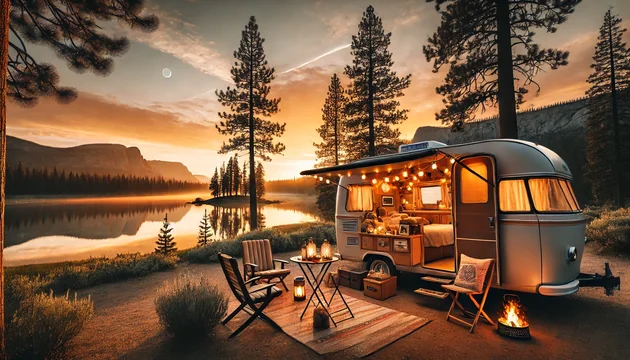
Camping in your own backyard might seem like a dream, but it comes with significant legal risks. Zoning laws, neighborhood association rules, and other regulations may prevent you from doing so. If you're considering living in a camper in your backyard, you should read up on the regulations in your locality before doing so. You can even consider hiring a lawyer to clarify this.
Breaking Zoning Laws
Zoning laws specify how land in different areas can be used, and this may affect your camper. Some neighborhoods prohibit the parking of camper vans or RVs, while others permit you to live in them if it's only for a few days. You should check to see if it's legal to live in a camper in your backyard.
In some areas, you may be permitted to park your van or live in it only in designated areas like trailer parks. If you wish to live in your van more permanently, this is an option you should consider. Failing to comply with zoning laws can result in fines and legal issues.
Breaching Building Codes
Building codes are designed to ensure that structures are safe to use, and failure to comply can result in fines or the structure being taken down. A camper is not considered a permanent dwelling, which can lead to legal complications. Structures are also required to meet environmental safety standards and have proper connections for utilities like electricity, water, and gas.
If the camper does not meet the required standards, you may face fines, be required to make expensive upgrades, or end up facing health problems in the long run.
Higher Taxes and Utility Bills
The taxes and utility charges you are subjected to can also change if you live in a camper. Usually, a camper van is considered temporary accommodation; however, if you decide to live in it, it can be classified as a permanent dwelling. As a result, you could be subjected to higher taxes and utility charges.
Failing to register your camper properly could result in hefty fines for incorrect filing of taxes. You may also want to consider if you can afford to pay the utility bills for your camper before permanently living in one, as some areas may charge additional fees.
Code Enforcement Complaints
Finally, neighborhood associations are likely to report you if they find you in violation of local zoning or building safety regulations. Your camper could be reported for being a fire hazard, for example, if it doesn't follow the building code. You could also be reported for health or environmental safety violations if your camper is not clean and well-maintained.
If your camper is improperly parked, or in the way of a public path, you could be reported for obstructing a public pathway. If you are found to be living permanently in a camper, you may be required to move to a trailer park or other such designated area. Local authorities will confiscate your camper if a complaint is filed.
Conclusion
Camping in your backyard may not be legal in many places across the country. You should consult your lawyer to understand the regulations that apply to your area before doing so. That way, you can avoid hefty fines, unnecessary complaints from neighbors, and legal action.
Be sure to comply with the local zoning, safety, and health laws so that your camper meets all the requirements and is safe for use. Understanding these legal risks beforehand will help you avoid potential issues and ensure that your camper can remain in your backyard without causing problems.