Wearable E-Waste Is Rising—And Health Tech Must Adapt
The Hidden Environmental Cost of Wearable Health Tech
The next wave of wearable health devices may come with a cost few consumers are thinking about: the planet. While smartwatches, glucose monitors, and fitness trackers promise longer, healthier lives, their rapid growth could quietly fuel a massive wearable e-waste problem if nothing changes.
The question isn’t whether wearables will continue to grow—they will. The real issue is whether the industry can scale responsibly before environmental damage becomes irreversible.
Key Facts: What the Research Actually Says
A new academic study from Cornell University and the University of Chicago paints a stark picture:
-
By 2050, global demand for health wearables could reach 2 billion devices per year.
-
That’s roughly 42 times today’s production levels.
-
Without design changes, discarded devices could generate over 1 million tons of electronic waste and 100 million tons of carbon emissions by mid-century.
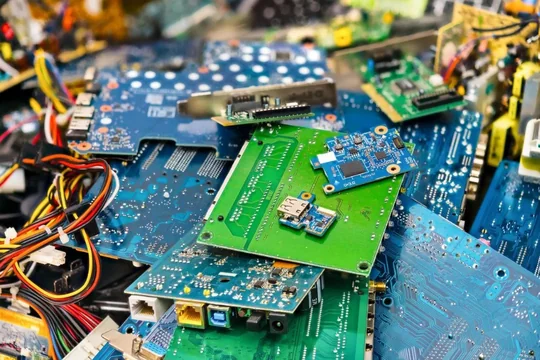
Perhaps the most surprising finding? Plastic casings aren’t the main culprit. The study shows that printed circuit boards account for nearly 70% of a wearable’s carbon footprint, largely due to mining and processing rare metals like gold.
As one researcher noted, “When these devices are deployed at global scale, small design choices add up quickly.”
Why Wearable E-Waste Matters More Than You Think
For consumers, wearable devices feel lightweight and disposable. For the environment, they are anything but.
The underlying trend here is medicalization at scale. Wearables are no longer niche gadgets for athletes; they’re becoming everyday healthcare tools prescribed by doctors, insurers, and employers. That shift dramatically increases volume—and environmental impact.
Unlike smartphones, many health wearables have short lifespans. Batteries degrade, sensors lose accuracy, and software updates stop. Most users replace them every few years, if not sooner. Multiply that behavior by billions, and electronic waste from wearables becomes a systemic issue, not a side effect.
There’s also a policy blind spot. E-waste regulations often focus on large electronics, while small devices slip through recycling systems. That means many wearables end up in landfills, where valuable materials are lost and toxins can leach into soil and water.
The Design Fixes That Could Change Everything
The good news? The researchers don’t see this future as inevitable.
They propose two practical, industry-level solutions:
-
Shift away from rare metals
Replacing gold and other scarce materials with more abundant metals like copper could dramatically reduce emissions tied to mining and refining. -
Adopt modular wearable design
Instead of treating wearables as sealed units, manufacturers could design them so the circuit board—the most carbon-intensive component—can be reused. Consumers would replace outer shells, straps, or sensors without discarding the “brain” of the device.
This approach mirrors trends already emerging in laptops and smartphones, but it’s still rare in health tech.
What Happens Next: Likely Industry and Consumer Shifts
Looking ahead, several developments feel increasingly likely:
-
Regulatory pressure: Governments may begin classifying health wearables alongside medical devices, bringing stricter sustainability standards.
-
Procurement requirements: Hospitals and insurers could favor sustainable health wearables as part of ESG commitments.
-
Consumer awareness: Just as buyers now ask about battery life and data privacy, sustainability could become a purchasing factor.
Brands that move early will have a strategic advantage. Those that don’t may face higher compliance costs—or backlash—later.
For readers, there’s also a practical takeaway: extending the life of your current wearable, recycling responsibly, and supporting brands that prioritize repairability all help reduce impact today.
A Bigger Picture: Health Innovation Without the Waste
Wearable health technology has enormous potential. It can detect disease earlier, personalize care, and reduce strain on healthcare systems. But innovation that ignores environmental consequences is incomplete innovation.
The wearable e-waste challenge is ultimately about alignment—between health outcomes and planetary health. With smarter materials, modular designs, and better recycling systems, the industry can deliver both.
The choices being made now, quietly and behind the scenes, will shape whether the future of digital health is truly sustainable.
FAQ SECTION
Q: What is wearable e-waste?
A: Wearable e-waste refers to discarded smartwatches, fitness trackers, and health monitoring devices that are no longer usable. These devices contain electronic components and metals that contribute to pollution if not recycled properly.
Q: Why are circuit boards such a big environmental issue?
A: Circuit boards rely on rare metals and energy-intensive manufacturing. According to researchers, they account for about 70% of a wearable’s carbon footprint, making them the most environmentally costly component.
Q: Can wearable devices be recycled today?
A: Some components can be recycled, but many wearables aren’t designed for easy disassembly. This limits recovery of valuable materials and increases landfill waste unless specialized recycling programs are used.
Q: Will sustainable wearables cost more?
A: Initially, they might. Over time, modular designs and common materials could reduce costs by extending device lifespan and lowering reliance on scarce resources.