US Tech Giants Lobbied EU to Hide Data Centers' Environmental Impact — Demands Written Into Law
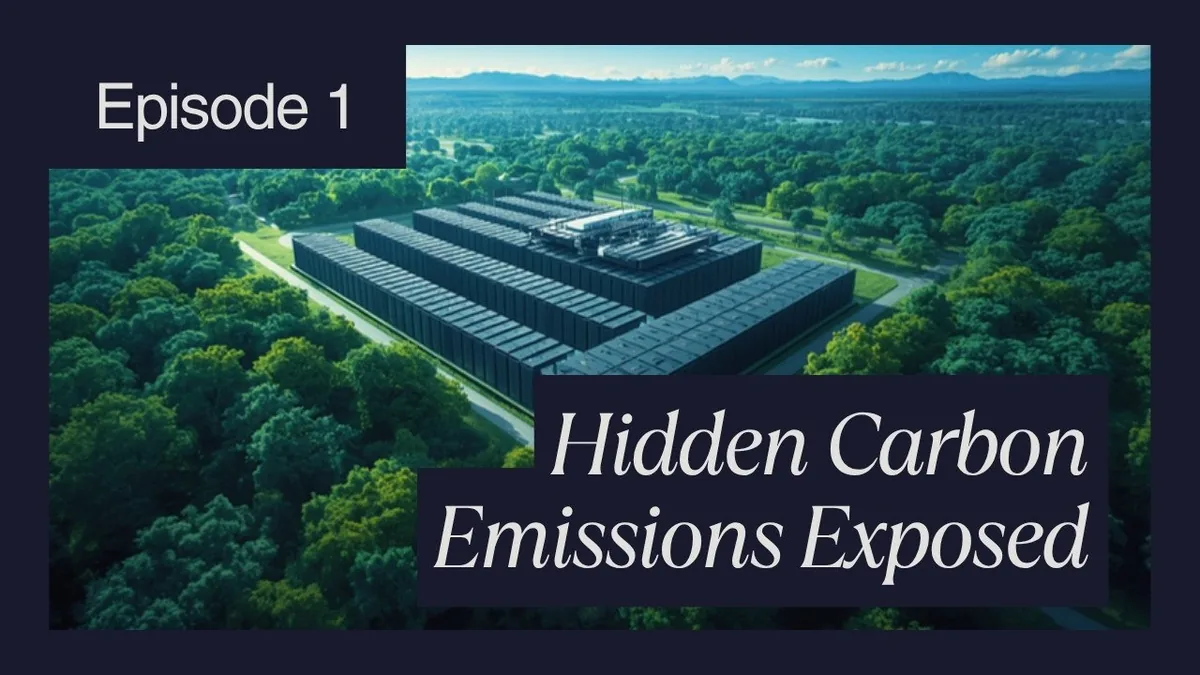
Newly obtained documents reveal that US technology companies successfully lobbied European Union officials to limit public disclosure of data centers' environmental impact. The lobbying campaign was so effective that some of the industry's specific demands were incorporated almost verbatim into EU regulations — shielding one of the fastest-growing sources of energy consumption from the kind of transparency that other industrial sectors face.
What the Documents Reveal
The documents show a coordinated effort by major US tech firms to weaken the EU's reporting requirements for data center energy consumption and carbon emissions. Rather than arguing for no disclosure at all — a position that would have been politically untenable — the companies successfully lobbied for narrow, aggregated reporting frameworks that make it difficult for regulators, researchers, or the public to assess the actual environmental footprint of individual facilities or companies.
The Scale of What's Being Hidden
Data centers consumed approximately 460 terawatt-hours of electricity globally in 2022, a figure that has grown substantially with the AI boom. Training large language models and running inference at scale require enormous energy. Cooling systems add another significant load. Without granular reporting requirements, it's nearly impossible to hold individual companies accountable for their environmental commitments or to accurately assess AI's contribution to energy demand and carbon emissions.
The Lobbying Strategy
The approach mirrors tactics used in other industries: accept the principle of disclosure while lobbying hard on the specifics to ensure disclosed data is so aggregated or so delayed that it loses practical utility. By engaging early in the EU's regulatory drafting process — often before proposals become public — tech companies shaped the language of the rules rather than fighting them after the fact. The result was requirements that look robust on paper but are weak in practice.
The EU's Response
EU officials are now facing pressure to revisit these rules. The revelation that industry lobbying was so influential in drafting environmental reporting requirements — at a time when EU data center capacity is growing rapidly to support AI workloads — creates a politically uncomfortable situation for regulators who have staked their credibility on holding Big Tech accountable.
The Bottom Line
Transparency is the foundation of accountability. When the most energy-intensive industry category of the AI era successfully lobbies to obscure its environmental footprint, it represents a failure of the regulatory process — and sets a concerning precedent for how AI's environmental costs will be governed globally.
Related Articles
- EU Awards €180M Sovereign Cloud Contract to Cut US Tech Dependence
- 40% of US Data Centers Due in 2026 Are Facing Delays
- Bluesky Hit by Sophisticated DDoS Attack Causing Major App Outages