40% of US Data Centers Due in 2026 Are Facing Delays, Including Sites for Microsoft and OpenAI
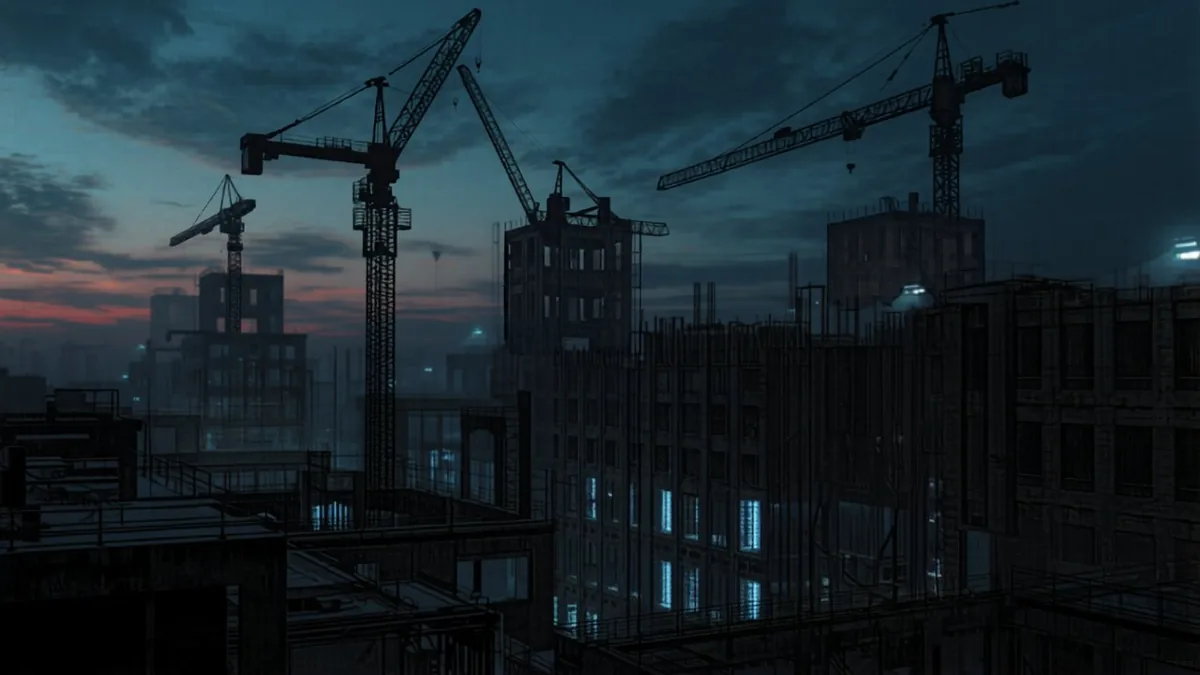
About 40 percent of US data centers scheduled to come online in 2026 are facing delays, with major sites for Microsoft, OpenAI, and others likely to be set back by more than three months, according to analysis from SynMax published by the Financial Times. The delays threaten to slow the rollout of AI infrastructure at a critical moment in the race to build out compute capacity.
What's Causing the Delays
The bottlenecks are multi-layered. Supply chain constraints on specialized equipment — from transformers to cooling systems — have stretched timelines. Permitting and grid connection backlogs in high-demand regions have added further delays. In some cases, the sheer scale of new campuses has outpaced the construction industry's capacity to deliver them on schedule.
The problem is particularly acute because many of these data centers were announced with aggressive timelines to signal commitment to AI buildout, without full accounting for execution risk.
Who's Affected
Microsoft and OpenAI are among the named organizations with sites facing setbacks. Both companies have made massive capital commitments to AI infrastructure — Microsoft's multi-year, multi-billion-dollar partnership with OpenAI being one of the largest infrastructure bets in tech history. Delays here don't just affect internal capacity; they affect the AI products and services both companies can deliver to customers.
The SynMax analysis suggests this isn't a case of one or two projects running late — it's a systemic pattern across the sector. Companies like Google, Amazon, and Meta, which have all announced aggressive data center expansion plans, may face similar headwinds even if their specific sites weren't named.
Implications for the AI Buildout
The data center delays land at a complicated moment. AI model developers need more compute, not less, as they push toward increasingly capable systems. Cloud providers are already reporting capacity constraints that limit how much inference they can offer customers. A wave of delayed facilities pushes back the timeline for relief.
It also raises a question about whether the capital committed to AI infrastructure is being matched by operational planning. Announcing billions in spending is different from having the permits, equipment, and contractors in place to deliver on time.
The Bottom Line
The AI infrastructure boom has a supply chain problem. The facilities meant to power the next generation of AI products are running behind schedule, and with 40 percent of planned 2026 capacity affected, the delays are too widespread to dismiss as isolated incidents.
Related Articles
- Big Tech's $90 Billion Data Center Buildout in Spain Draws EU Praise and Local Backlash
- Jane Street Takes $1B More in CoreWeave, Plans $6B Total for Nvidia Vera Rubin Access