Understanding the Different Types of Oil Changes: Which Is Best for You?
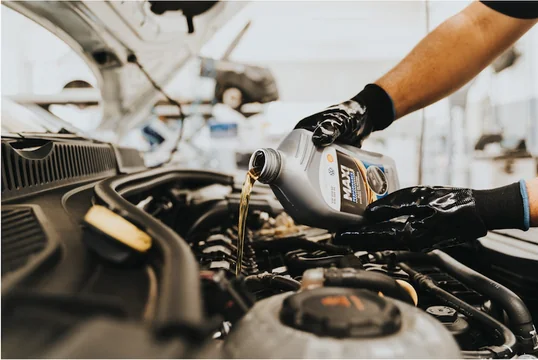
Keeping your car running smoothly is vital, and regular oil changes are key to doing just that. However, with so many different types out there, it can be tough to know which one is right for you. Each type has its own unique benefits, depending on your car, how you drive, and even your budget. In this article, let's break down the different types of oil changes to help you choose the best option for your vehicle.
Why Are Oil Changes Important?
Before diving into the types, it's important to know why oil changes matter. Engine oil serves multiple critical functions like:
- Lubrication: Reduces friction between moving engine parts, preventing wear and tear.
- Cooling: Helps dissipate heat generated by the engine.
- Cleaning: Removes dirt, debris, and sludge, keeping the engine clean.
- Protection: Prevents corrosion and extends engine life.
Without regular oil changes, your engine can overheat, experience increased wear, and potentially suffer permanent damage.
Oil Change Options
Conventional Oil Change
A conventional oil change is the most basic type of service and is usually recommended for older or less complex vehicles. The process involves replacing the used oil with standard motor oil and changing the oil filter.
Key Features:
- Cost-effective: It's the most affordable oil change option, making it ideal for those on a budget.
- Basic protection: Suitable for vehicles with low mileage and simple engine designs.
- Frequent maintenance: Requires oil changes every 3,000 to 5,000 miles.
Is It Right for You?
If you drive an older car, don't clock high mileage, or want a budget-friendly option, a conventional oil change might be the best fit. However, newer vehicles with advanced engines may not benefit as much from this type.
Synthetic Oil Change
Synthetic oil changes use high-quality, man-made oil that's engineered to provide superior performance. The type of oil undergoes extensive refining and includes additives that enhance its efficiency.
Key Features:
- High performance: Offers better lubrication and engine protection under extreme temperatures and conditions.
- Longer intervals: Synthetic oil lasts longer than conventional oil, with changes needed every 7,500 to 10,000 miles.
- Cleaner operation: Reduces sludge buildup and improves fuel efficiency.
Is It Right for You?
If you drive a high-performance or modern vehicle, frequently travel long distances, or live in extreme climates, synthetic oil changes are a worthwhile investment. While they're more expensive, the extended intervals and superior protection often offset the higher cost.
Quick Oil Change
A quick oil change focuses on convenience and speed. Offered by specialized service centers or as part of drive-through services, this type is designed for busy individuals who need routine maintenance without a long wait.
Key Features:
- Fast service: Typically completed within 30 minutes or less.
- Affordable: Competitive pricing makes it an attractive option for routine maintenance.
- Convenience: No appointment is usually needed, and it often includes a basic inspection of other vehicle components like fluid levels and tire pressure.
Is It Right for You?
If you have a packed schedule and need a no-fuss solution for routine maintenance, a quick oil change is a perfect option. It's especially useful for drivers who stick to conventional or high-mileage oil and want an efficient way to keep their vehicles running.
High-Mileage Oil Change
As vehicles age and accumulate miles, their engines may develop specific needs. High-mileage oil changes use specially formulated oil designed for vehicles with over 75,000 miles on the odometer.
Key Features:
- Seal conditioning: Contains additives to reduce leaks and oil consumption by rejuvenating engine seals.
- Reduced wear: Provides extra protection for older engine parts.
- Sludge removal: Helps clean and maintain engines that have accumulated deposits over time.
Is It Right for You?
If your car has high mileage, you've noticed leaks, or you want to extend the life of an older vehicle, a high-mileage oil change is the ideal choice. It helps keep aging engines running smoothly while addressing common wear and tear issues.
Synthetic Blend Oil Change
Synthetic blend oil changes use a mix of conventional and synthetic oils, combining affordability with enhanced performance. The option is a middle ground between the two extremes, offering some of the benefits of synthetic oil at a lower cost.
Key Features:
- Balanced performance: Provides better engine protection and efficiency than conventional oil.
- Moderate cost: Less expensive than full synthetic oil changes.
- Flexibility: Suitable for a wide range of vehicles and driving habits.
Is It Right for You?
If you want better performance than conventional oil without paying for a full synthetic option, a synthetic blend oil change is a great compromise.