Understanding the Difference: Sexual Harassment Vs. Sexual Assault
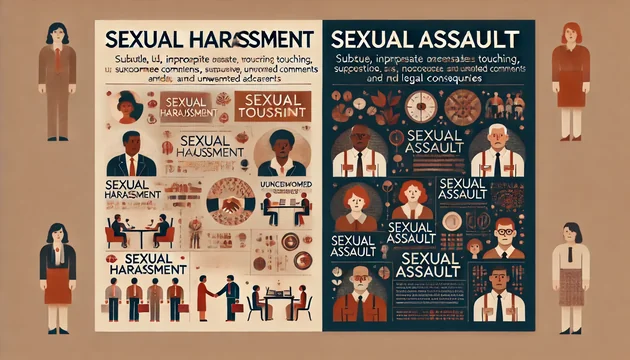
Did you know that in 2024, a survey of more than 3,300 adults in the United States revealed that approximately 26% had experienced sexual harassment or assault in the last year?
Sexual harassment and sexual assault should not be confused since they refer to very different situations.
The more you understand these differences, the better you'll be able to respond and help others.
Understanding these terms is necessary for identifying behaviors, seeking support, and advocating for oneself and others.
This article will give you a better understanding of the difference between sexual harassment and sexual assault.
Defining Sexual Harassment
Sexual harassment refers to the act of unwanted sexual behavior in a workplace or other environment. It is conduct that causes one to feel intimidated or hostile. Sexual harassment may manifest in various forms, from unwanted comments, advances, and jokes that embarrass someone.
Sexual harassment may occur in the workplace, school, or even in public. Be cautious of people who give suggestive remarks or touch you without consent.
Sexual harassment is concerned with how a person perceives and feels about the action, rather than its intent. You have the right to feel secure and be comfortable when you are around other people.
Report any instance of sexual harassment. Reporting is important in developing a climate of respect and accountability.
Defining Sexual Assault
Assault is something that can take diverse forms, and when it comes to sexual assault, it involves any unwanted sexual contact or act. Sexual assault may include acts of physical touch like groping or fondling. Usually, it involves acts where there is no consent or where consent has been obtained under duress.
Sexual assault can extend beyond physical touch. Intimidatory behavior that carries a sexual connotation can be considered sexual assault. The definitions of assault will differ according to varying laws and cultures.
If you feel somehow violated, know that your feelings are valid, and it is important to seek help and understand what your rights are.
Sexual aggression should not be tolerated. Every person has the right to feel respected and safe.
Key Differences Between Sexual Harassment and Sexual Assault
Sexual harassment is committing unwanted comments, gestures, or advances that create a climate of intimidation. Sexual assault might happen in workplaces, schools, or public spaces and cause harm to a person's emotional well-being and sense of safety.
Sexual assault is a more serious offense that can cause long-term damage to a person.
The difference between the two lies in how they occur. Harassment is verbal and non-physical, whereas assault is physical.
Knowing these differences is important to understanding and properly addressing each issue.
Legal Consequences of Sexual Harassment and Sexual Assault
The legal ramifications of sexual harassment and sexual assault are drastic and varied.
Sexual harassment will lead to civil liability through fines and damages. It can even sometimes lead to a loss of job or workplace sanctions.
Sexual assault will come with criminal charges leading to imprisonment, parole, and/or registration as a sex offender.
The extent of punishment would depend on other conditions surrounding the event, such as the nature of the offense and any criminal history that existed in the past.
Knowledge of these legal consequences is important for both the perpetrator and the victim.
Seek legal assistance from legal professionals if you are a victim of sexual harassment or sexual assault.
Support and Resources for Victims
Having support and resources is important for victims of sexual harassment or assault
Trusted friends or family members can provide helpful emotional support. Discussing your experience with a trained professional can help you cope with the situation.
Organizations such as the Rape, Abuse & Incest National Network (RAINN) or nearby hotlines can provide confidential support and guidance. Legal advocacy groups help you understand your rights and options when reporting the incident.
Many survivors find strength in support groups that allow them to share their stories.