Understanding the 5 signs of problem gambling
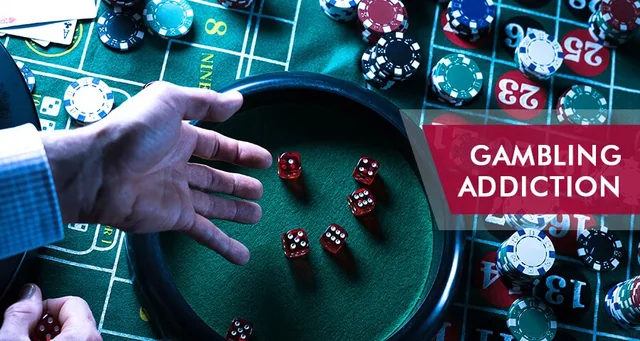
Problem gambling, also known as compulsive gambling or gambling addiction, is a serious condition that affects millions of people worldwide. It is characterized by an uncontrollable urge to gamble, despite the negative consequences it may have on one's life.
While gambling can be a fun and recreational activity for many, problem gambling goes beyond that. It becomes a destructive behavior that can lead to financial difficulties, relationship problems, and even mental health issues.
Recognizing the signs of problem gambling is crucial in order to seek help and support. Here are five common signs that may indicate a gambling problem:
- Preoccupation with gambling: A person with a gambling problem may constantly think about gambling, plan their next gambling session, or reminisce about past wins or losses.
- Inability to control gambling: Despite attempts to cut back or stop gambling, a person with a gambling problem finds it difficult to resist the urge to gamble. They may make promises to themselves or others to stop, but ultimately fail to do so.
- Increasing the amount of money and time spent gambling: A person with a gambling problem may need to gamble with larger amounts of money or for longer periods of time in order to achieve the desired excitement or "high."
- Neglecting responsibilities and relationships: Gambling becomes the main focus of a person's life, causing them to neglect their work, studies, family, and friends. They may miss important deadlines, skip social events, or withdraw from their loved ones.
- Chasing losses: After a loss, a person with a gambling problem may feel the need to continue gambling in order to recoup their losses. This can lead to a vicious cycle of more losses and increased gambling.
If you or someone you know is experiencing these signs, it is important to seek help from a professional. Problem gambling can have serious consequences, but with the right support and treatment, recovery is possible. According to research by mostbet.
Understanding Problem Gambling: 5 Warning Signs
Problem gambling is a serious issue that affects individuals and their families. It is important to recognize the warning signs of problem gambling in order to seek help and support. Here are five signs to look out for:
1. Increasing Preoccupation: One of the first signs of problem gambling is an increasing preoccupation with gambling. The individual may constantly think about gambling, plan their next gambling session, or reminisce about past wins or losses.
2. Inability to Control Gambling: Another warning sign is the inability to control gambling behavior. The individual may make repeated unsuccessful attempts to stop or cut back on gambling and may experience restlessness or irritability when trying to do so.
3. Chasing Losses: Problem gamblers often chase their losses, meaning they continue to gamble in an attempt to win back the money they have lost. This can lead to a vicious cycle of increasing bets and losses and can result in financial difficulties.
4. Neglecting Responsibilities: When gambling becomes a problem, individuals may start neglecting their responsibilities and obligations. This can include neglecting work or school, neglecting relationships, or neglecting personal hygiene and self-care.
5. Borrowing or Stealing Money: Problem gamblers may resort to borrowing or stealing money in order to fund their gambling habits. They may borrow money from friends or family, take out loans, or engage in illegal activities to obtain money for gambling.
If you or someone you know is experiencing these warning signs, it is important to seek help from a professional. Problem gambling can have serious consequences, but with the right support, recovery is possible.
Financial Consequences of Problem Gambling
Problem gambling can have severe financial consequences for individuals and their families. The following are some of the ways in which problem gambling can impact a person's financial well-being:
1. Debt Accumulation
One of the most common financial consequences of problem gambling is the accumulation of debt. Problem gamblers often borrow money from friends, family, or financial institutions to fund their gambling habits. They may also resort to credit cards, loans, or payday advances to finance their gambling activities. Over time, the debt can become overwhelming and lead to financial ruin.
2. Loss of Savings and Assets
Problem gamblers may deplete their savings and liquidate their assets to finance their gambling habits. They may sell valuable possessions such as cars, jewelry, or electronics to obtain money for gambling. This can result in a significant loss of wealth and financial stability.
3. Bankruptcy
For some problem gamblers, the financial consequences can be so severe that they are unable to repay their debts and end up filing for bankruptcy. Bankruptcy can have long-lasting effects on a person's financial future, making it difficult to obtain credit or secure employment.
4. Legal Issues
Problem gambling can also lead to legal issues, which can further compound the financial consequences. Some problem gamblers may engage in illegal activities such as theft or fraud to obtain money for gambling. This can result in legal fees, fines, and even imprisonment, adding to the financial burden.
5. Family and Relationship Strain
The financial consequences of problem gambling can also strain relationships with family members and loved ones. The loss of money and financial instability can lead to arguments, mistrust, and even the breakdown of relationships. This can have a significant emotional and financial impact on both the problem gambler and their family.
To summarize, problem gambling can have devastating financial consequences, including debt accumulation, loss of savings and assets, bankruptcy, legal issues, and strain on relationships. It is important for individuals struggling with problem gambling to seek help and support to address their gambling addiction and mitigate the financial impact.
| Financial Consequences | Impact |
| Debt Accumulation | Overwhelming debt and financial ruin |
| Loss of Savings and Assets | Significant loss of wealth and financial stability |
| Bankruptcy | Long-lasting effects on financial future |
| Legal Issues | Legal fees, fines, and imprisonment |
| Family and Relationship Strain | Arguments, mistrust, and breakdown of relationships |
Emotional and Psychological Indicators of Problem Gambling
Problem gambling can have a significant impact on a person's emotional and psychological well-being. Here are five indicators that may suggest someone is struggling with a gambling problem:
| 1. Increased Anxiety and Stress | Problem gamblers often experience heightened levels of anxiety and stress. They may constantly worry about their financial situation, the consequences of their gambling behavior, and the impact it has on their relationships and overall well-being. |
| 2. Mood Swings and Irritability | Problem gamblers may exhibit frequent mood swings and irritability. They may become easily frustrated or agitated, especially when they are unable to gamble or when they experience financial losses. |
| 3. Depression and Hopelessness | Many problem gamblers experience symptoms of depression and feelings of hopelessness. They may feel overwhelmed by their gambling habits and the negative consequences it brings, leading to a sense of despair and a loss of interest in activities they once enjoyed. |
| 4. Isolation and Withdrawal | Problem gamblers often isolate themselves from friends and family members. They may withdraw from social activities and spend an increasing amount of time gambling, which can lead to a breakdown in relationships and a sense of loneliness. |
| 5. Denial and Defensiveness | Problem gamblers may deny or downplay the extent of their gambling problem. They may become defensive when confronted about their behavior and may try to justify or rationalize their actions. This can make it difficult for them to seek help and address their gambling addiction. |
If you or someone you know is exhibiting these emotional and psychological indicators, it may be a sign of problem gambling. It is important to seek help and support from professionals who specialize in gambling addiction to address the issue and prevent further harm.
Social and Interpersonal Effects of Problem Gambling
Problem gambling not only affects the individual, but it also has significant social and interpersonal effects. These effects can have a profound impact on relationships, family dynamics, and the overall well-being of the individual and those around them.
1. Financial Strain: One of the most noticeable effects of problem gambling is the financial strain it can cause. Individuals may accumulate significant debts, struggle to pay bills or resort to illegal activities to fund their gambling habits. This can lead to financial instability and strain on relationships with family members, friends, and creditors.
2. Relationship Issues: Problem gambling often leads to relationship issues, as the individual may prioritize gambling over spending time with loved ones or fulfilling their responsibilities. This can result in feelings of neglect, resentment, and anger from family members and friends. Trust may also be broken due to lies and deceit associated with gambling activities.
3. Emotional Distress: Problem gambling can cause emotional distress for both the individual and their loved ones. The stress of financial difficulties, relationship problems, and the consequences of gambling can lead to anxiety, depression, and feelings of hopelessness. This emotional distress can further strain relationships and make it difficult for the individual to seek help.
4. Isolation and Loneliness: As problem gambling progresses, individuals may isolate themselves from their social support networks. They may feel ashamed or embarrassed about their gambling habits and fear judgment from others. This isolation can lead to feelings of loneliness and exacerbate the emotional distress associated with problem gambling.
5. Impact on Children and Family: Problem gambling can have a significant impact on children and family members. Children may experience neglect, financial instability, and emotional distress due to their parent's gambling habits. Family members may also be affected by the financial consequences of problem gambling, leading to a decrease in the overall quality of life for the entire family.
It is important to recognize and address the social and interpersonal effects of problem gambling. Seeking professional help, engaging in support groups, and open communication within relationships can help individuals and their loved ones navigate the challenges associated with problem gambling.