Uber Relaunches Robotaxi Service in Las Vegas With Hyundai-Backed Motional
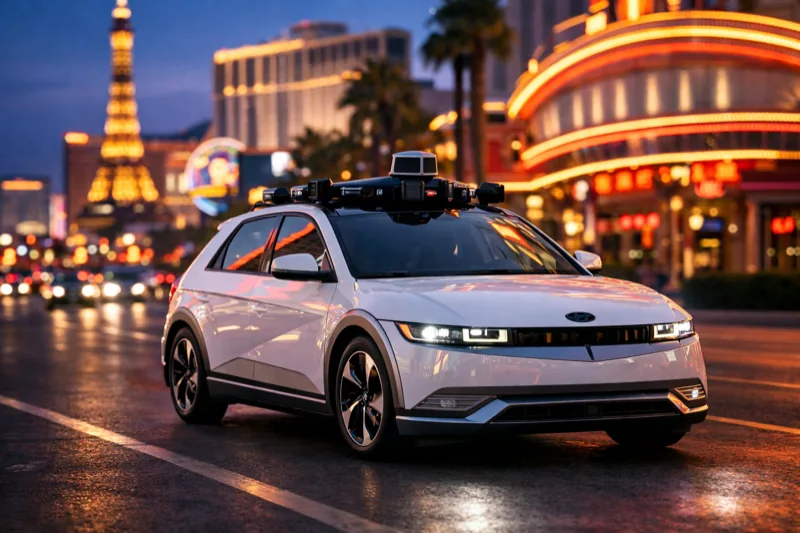
Uber Brings Autonomous Rides to the Las Vegas Strip
Uber is making a fresh push into the autonomous vehicle space, relaunching a robotaxi service in Las Vegas in partnership with Motional, the self-driving technology company backed by Hyundai Motor Group. The service went live on March 13, 2026, marking another milestone in the ride-hailing giant's quest to put driverless cars on its platform.
Riders in Las Vegas can now be matched with a Motional Ioniq 5 autonomous vehicle when they request an UberX, Uber Electric, or Uber Comfort ride — at no additional cost. The electric vehicles are equipped with a full suite of sensors and cameras, though there is an important caveat that tempers the excitement.
Safety Driver Still Behind the Wheel
Despite the “robotaxi” branding, each vehicle will have a human safety driver monitoring the road from behind the steering wheel. This supervised arrangement is expected to continue until the end of 2026, with a fully driverless service — no human operator in the vehicle — planned for sometime after that.
It is a cautious approach, and one that raises the obvious question: if there is still a driver in the seat, is it really a robotaxi or just a fancy Uber with extra hardware on the roof? The distinction matters because the entire value proposition of autonomous vehicles is the elimination of human labor costs — which is not happening here yet.
Where You Can Catch a Robotaxi
At launch, the service is available at designated locations along Las Vegas Boulevard, including rideshare zones at:
- Resorts World Las Vegas
- Encore at the Wynn Las Vegas
- Westgate Las Vegas Resort & Casino
- Downtown Las Vegas (curbside)
- Town Square shopping district near the airport
Riders cannot choose to specifically request a robotaxi — they are randomly matched when available during regular ride requests.
Uber's Broader Autonomous Strategy
This is not Uber's first attempt at autonomous vehicles. The company famously shut down its own self-driving unit in 2020 after years of development setbacks and a fatal crash involving one of its test vehicles in Arizona. Since then, Uber has pivoted to a partnership model, working with companies that actually build the autonomous technology.
In addition to Motional, Uber has announced collaborations with Wayve and Nissan for robotaxi services, and Amazon-owned Zoox is also planning to put its robotaxis on the Uber app in Las Vegas later this year. The strategy is clear: let others build the cars and the tech, then integrate them into Uber's massive ride-hailing network.
The Bottom Line
Uber's robotaxi relaunch in Las Vegas is a step forward, but calling it a revolution would be generous. The safety drivers, the limited pickup zones, and the random matching system all suggest this is still very much a pilot program wearing production clothing. The real test comes when (and if) the safety drivers actually leave the vehicles — and whether riders will trust a car with no one behind the wheel in a city famous for its unpredictable traffic.