Tips to Prevent a Receding Hairline and Thinning Hair
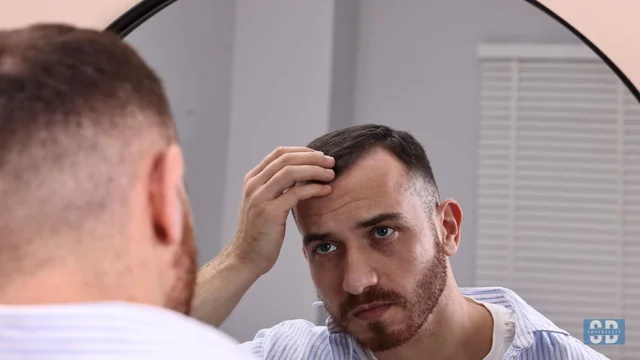
Hair loss is one of the most common concerns affecting millions of people worldwide, regardless of age or gender. Whether you're noticing your hairline creeping backward or finding more strands on your pillow than usual, the anxiety that comes with thinning hair is completely understandable. The good news? While genetics play a significant role, there are numerous proactive steps you can take to slow down hair loss, strengthen your existing hair, and even promote new growth.
In this comprehensive guide, we'll explore evidence-based strategies to help you maintain a healthy hairline and combat thinning hair before it becomes a more significant concern.
Understanding Hair Loss: The Basics
Before diving into prevention tips, it's essential to understand what causes hair loss in the first place. The most common culprit is androgenetic alopecia, also known as male or female pattern baldness, which is hereditary and affects approximately 50 million men and 30 million women in the United States alone. This condition is driven by hormones called androgens, particularly dihydrotestosterone (DHT), which shrinks hair follicles over time.
Other factors contributing to hair loss include stress, nutritional deficiencies, harsh hair treatments, medical conditions, medications, and the natural aging process. The average person loses 50-100 hairs daily as part of the normal hair growth cycle, but when this number increases or regeneration slows down, noticeable thinning occurs.
Essential Tips to Prevent Receding Hairline and Thinning Hair
1. Prioritize a Nutrient-Rich Diet
Your hair is made primarily of protein, specifically keratin, which means what you eat directly impacts hair health. A diet lacking essential nutrients can weaken hair follicles and accelerate hair loss.
Key nutrients for hair health include:
- Protein: Found in lean meats, fish, eggs, legumes, and dairy products, protein provides the building blocks for hair growth.
- Iron: Deficiency is a common cause of hair loss, especially in women. Include spinach, red meat, lentils, and fortified cereals in your diet.
- Omega-3 Fatty Acids: These healthy fats found in salmon, walnuts, and flaxseeds nourish hair follicles and support scalp health.
- Biotin (Vitamin B7): While severe deficiency is rare, biotin supports keratin production. Good sources include eggs, nuts, and sweet potatoes.
- Zinc: Essential for hair tissue growth and repair, zinc can be found in oysters, beef, pumpkin seeds, and lentils.
- Vitamins A, C, D, and E: These vitamins support sebum production, collagen synthesis, follicle health, and antioxidant protection respectively.
Consider consulting with a healthcare provider about blood tests to identify any nutritional deficiencies that might be contributing to hair loss.
2. Manage Stress Effectively
Chronic stress is a well-documented contributor to hair loss, particularly a condition called telogen effluvium, where stress pushes large numbers of hair follicles into a resting phase, causing significant shedding months later.
Stress-reduction techniques include:
- Regular exercise, which improves circulation and reduces stress hormones
- Meditation and mindfulness practices
- Adequate sleep (7-9 hours per night)
- Yoga or tai chi
- Engaging in hobbies and activities you enjoy
- Professional counseling or therapy when needed
Remember that stress-related hair loss is usually temporary and reversible once stress levels are managed.
3. Be Gentle with Your Hair
Physical stress on hair can contribute to breakage and traction alopecia, a type of hair loss caused by constant pulling or tension on hair follicles.
Hair care practices to adopt:
- Avoid tight hairstyles like ponytails, braids, or buns that pull on the hairline
- Use a wide-toothed comb instead of a brush when hair is wet
- Pat hair dry with a towel rather than rubbing vigorously
- Limit heat styling with blow dryers, flat irons, and curling wands
- When using heat tools, always apply a heat protectant spray first
- Choose loose hairstyles that don't create tension on the scalp
- Be gentle when shampooing and avoid aggressive scrubbing
4. Choose the Right Hair Products
The products you use can either support or undermine hair health. Many commercial shampoos contain harsh sulfates and chemicals that strip natural oils and weaken hair.
Product selection tips:
- Opt for sulfate-free, gentle shampoos that maintain the scalp's natural pH balance
- Look for ingredients like caffeine, saw palmetto, biotin, and niacinamide, which support hair health
- Consider DHT-blocking shampoos containing ketoconazole if you have androgenetic alopecia
- Use conditioner primarily on hair ends rather than the scalp to avoid buildup
- Avoid products with excessive alcohol, which can dry out hair
- Try natural oils like coconut, argan, or castor oil for scalp massage and nourishment
5. Maintain Scalp Health
A healthy scalp is the foundation for healthy hair growth. Poor scalp health, including inflammation, dandruff, or clogged follicles, can inhibit hair growth and contribute to thinning.
Scalp care strategies:
- Regularly massage your scalp to increase blood circulation (5-10 minutes daily)
- Exfoliate the scalp monthly to remove dead skin cells and product buildup
- Address dandruff or seborrheic dermatitis with medicated shampoos if needed
- Keep the scalp clean but avoid over-washing, which strips natural oils
- Use lukewarm water instead of hot water when washing hair
- Consider scalp treatments with ingredients like tea tree oil, peppermint oil, or rosemary oil
Research suggests that scalp massage may help improve hair thickness by stretching hair follicle cells and stimulating them to produce thicker hair.
6. Consider Medical Treatments
For those experiencing significant hair loss, several FDA-approved treatments have demonstrated effectiveness in clinical studies.
Evidence-based medical options:
- Minoxidil (Rogaine): An over-the-counter topical solution that stimulates hair growth and slows hair loss. It's available in 2% and 5% formulations and must be used consistently for results.
- Finasteride (Propecia): A prescription oral medication for men that blocks DHT production. It's highly effective but requires a doctor's consultation and ongoing use.
- Low-Level Laser Therapy (LLLT): FDA-cleared devices that use red light to stimulate hair follicles at home or in clinical settings.
- Platelet-Rich Plasma (PRP) Therapy: A procedure where your own blood platelets are injected into the scalp to promote hair growth.
- Hair Transplant Surgery: For advanced hair loss, follicular unit extraction (FUE) or transplantation offers permanent solutions.
Always consult with a dermatologist or hair loss specialist before starting any medical treatment to determine the best option for your specific situation.
7. Stay Hydrated and Exercise Regularly
General wellness habits significantly impact hair health. Dehydration affects every cell in your body, including hair follicles, while exercise improves blood circulation, delivering nutrients and oxygen to the scalp.
Wellness practices for hair health:
- Drink at least 8-10 glasses of water daily
- Engage in cardiovascular exercise 3-5 times weekly
- Include strength training to balance hormones
- Avoid excessive alcohol consumption, which can interfere with nutrient absorption
- Quit smoking, as it reduces blood flow to the scalp and damages hair follicles
8. Limit Chemical Treatments
Chemical treatments like hair dyes, bleaching, perms, and relaxers can severely damage hair structure, leading to breakage and thinning over time.
If you choose to color or chemically treat your hair:
- Space treatments at least 8-10 weeks apart
- Choose semi-permanent over permanent dyes when possible
- Always have treatments performed by experienced professionals
- Use deep conditioning treatments afterward
- Consider gentler alternatives like henna or vegetable-based dyes
9. Protect Your Hair from Environmental Damage
Environmental factors including sun exposure, pollution, and harsh weather can weaken hair and contribute to loss.
Protection strategies:
- Wear a hat or scarf in intense sun to prevent UV damage
- Use hair products with UV protection
- Rinse hair after swimming in chlorinated or salt water
- Cover hair in extreme cold to prevent brittleness
- Use a silk or satin pillowcase to reduce friction during sleep
10. Address Underlying Health Conditions
Sometimes hair loss is a symptom of underlying health issues that require medical attention.
Conditions that can cause hair loss:
- Thyroid disorders (hypothyroidism or hyperthyroidism)
- Autoimmune conditions like alopecia areata
- Polycystic ovary syndrome (PCOS)
- Iron deficiency anemia
- Hormonal imbalances
- Scalp infections or skin conditions
If you're experiencing sudden, patchy, or excessive hair loss, consult a healthcare provider to rule out medical causes.
Natural Remedies Worth Trying
While scientific evidence varies, several natural approaches show promise for supporting hair health:
- Rosemary Oil: Studies suggest it may be as effective as 2% minoxidil for hair growth when massaged into the scalp regularly.
- Pumpkin Seed Oil: May help block DHT and promote hair growth in men with androgenetic alopecia.
- Saw Palmetto: A natural DHT blocker available in supplement form, though more research is needed.
- Onion Juice: Contains sulfur compounds that may stimulate hair growth, though the smell is challenging.
- Green Tea: Rich in antioxidants and may help reduce DHT levels when consumed regularly.
Always patch-test natural remedies and consult with a healthcare provider before adding supplements to your routine.
Creating Your Hair Health Action Plan
Preventing hair loss and maintaining a healthy hairline requires a multi-faceted approach. Here's a simple action plan to get started:
Immediate actions:
- Switch to gentle, sulfate-free hair products
- Start daily scalp massages
- Evaluate and improve your diet
- Reduce heat styling and tight hairstyles
Within one month:
- Schedule a check-up with your doctor to rule out underlying conditions
- Implement stress-reduction techniques
- Begin taking hair-supporting supplements (after medical consultation)
- Establish a consistent hair care routine
Long-term commitment:
- Consider medical treatments if natural approaches aren't sufficient
- Monitor your progress with photos every few months
- Adjust your routine based on what works for your hair type
- Stay consistent with whatever approach you choose
The Bottom Line
While it's impossible to completely prevent genetic hair loss, you have more control over your hair health than you might think. By combining proper nutrition, gentle hair care practices, stress management, and appropriate medical treatments when necessary, you can significantly slow the progression of a receding hairline and thinning hair.
Remember that hair growth is a slow process, and most interventions require at least 3-6 months of consistent use before visible results appear. Patience and persistence are key. The earlier you start addressing hair loss, the more hair you'll be able to preserve.
If you're concerned about your hair loss pattern or rate, don't hesitate to consult with a dermatologist or trichologist who specializes in hair and scalp health. They can provide personalized recommendations based on your specific situation, medical history, and hair loss pattern.
Your hair is an important part of your appearance and self-confidence. By taking proactive steps today, you're investing in healthier, fuller hair for years to come.