The Steps Involved in Determining Liability After a Motorcycle Accident in New Orleans
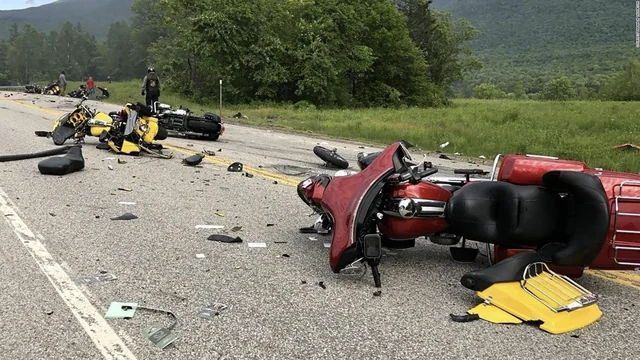
Motorcycle accidents are common, especially in a busy city like New Orleans. Being hurt in an accident in New Orleans will have devastating financial consequences, as it is an expensive city.
After an accident, determining who is at fault becomes crucial, as it directly impacts the ability of victims to receive compensation for medical bills, lost wages, and other damages.
This article outlines the steps involved in determining liability after a motorcycle accident. Remember, motorcycle accident attorneys in New Orleans can guide you through the complex claim process and secure fair compensation for your losses.
1. Gathering Evidence at the Scene
The first step in determining liability is to collect evidence at the accident scene. This initial phase is critical for building a strong case and involves:
- Photographing the Scene: Take photos of the accident, including vehicle positions, road conditions, and any injuries. These images are essential for reconstructing what happened.
- Noting Witness Statements: Collect statements from witnesses who saw the accident. Their accounts can provide clarity on who might be at fault.
- Documenting the Environment: Pay attention to factors like weather, road conditions, and traffic signs, as these can impact the accident and influence liability.
Given New Orleans' unique traffic patterns and high pedestrian activity, these elements are crucial in determining fault.
2. Filing a Police Report
After the accident, it's important to contact the police. They will document the incident in an official report, which typically includes:
- Details of the Accident: Information on the vehicles, location, and timing.
- Statements from Involved Parties: Accounts from drivers and witnesses recorded by the officer.
- Officer's Observations: An assessment of potential fault, which can be useful for insurance and legal purposes.
Although a police report is not the final word on liability, it is a valuable piece of evidence.
3. Understanding Louisiana's Comparative Negligence Law
Louisiana follows a "comparative negligence" system. This means that multiple parties can share fault, and compensation is adjusted based on each party's percentage of responsibility. For instance, if a motorcyclist is 30% at fault, their compensation will be reduced by that amount. Therefore, determining liability accurately is crucial for fair compensation.
4. Consulting Expert Opinions
In complex cases, expert opinions can help clarify liability. These experts include:
- Accident Reconstruction Specialists: They analyze evidence such as skid marks and vehicle damage to understand the accident's cause.
- Medical Experts: They can verify whether the injuries align with the details of the crash.
- Mechanical Experts: If a mechanical failure might have contributed, they can inspect vehicles for defects.
Expert opinions are particularly valuable in court or during settlement negotiations, providing insight into the accident's cause.
5. Reviewing Traffic Laws and Regulations
Local traffic laws play a significant role in liability decisions. In New Orleans, understanding state and city-specific rules is essential, including:
- State Traffic Laws: Determine if any traffic laws were broken at the time of the accident.
- City Regulations: New Orleans has unique traffic challenges, such as those found in busy areas like the French Quarter. Local laws may affect the assignment of fault.
Experienced motorcycle accident attorneys are familiar with these laws and can leverage them to establish liability effectively.
6. Negotiating with Insurance Companies
Once evidence has been gathered, it's time to negotiate with insurance companies. This process involves:
- Submitting Evidence: Present a well-documented case to support your claim.
- Communicating Clearly: Keep all communication clear and factual to avoid misunderstandings.
- Handling Low Settlement Offers: Insurance companies may initially propose low settlements. It's essential to understand the full scope of your damages before accepting an offer.
An attorney can manage these negotiations, ensuring fair compensation for injuries and losses.
7. Filing a Personal Injury Lawsuit if Necessary
If negotiations don't lead to a fair settlement, filing a lawsuit may be the next step. This process involves:
- Filing the Complaint: Initiate the lawsuit by outlining the allegations and the compensation sought.
- Discovery Phase: Both sides exchange evidence and information. This can involve interviews, document requests, and written questions.
- Trial or Settlement: If no settlement is reached, the case may go to trial, where a judge or jury decides liability and compensation.
8. Receiving Compensation and Moving Forward

After determining liability and reaching a settlement or verdict, compensation can include:
- Medical Expenses: Coverage for both current and future medical costs.
- Lost Wages: Compensation for time away from work due to the accident.
- Pain and Suffering: Damages for emotional distress and reduced quality of life.
- Property Damage: Reimbursement for motorcycle repairs or replacements.
Being aware of the steps in determining liability after a motorcycle accident can empower victims to navigate the process effectively and ensure they receive the compensation they deserve.
Final Thoughts
Determining liability after a motorcycle accident in New Orleans is a complex process, involving steps from evidence collection to potential legal action. With the city's specific traffic conditions and Louisiana's comparative negligence laws, having a clear understanding of the process is crucial. Consulting with experienced legal professionals, such as motorcycle accident attorneys, can make a significant difference in securing a favorable outcome and fair compensation.