The Power of Antioxidant-Rich Foods: Surprising Sources to Boost Your Health
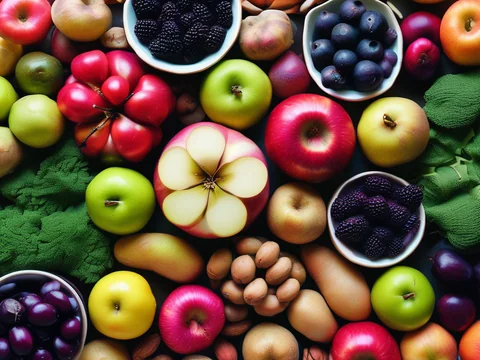
Antioxidants have garnered attention for their role in combating inflammation and reducing the risk of cancer. These mighty compounds are found in various foods, often in unexpected places. This article will explore some surprising sources of antioxidants and provide tips on how to incorporate them into your diet.
What Are Antioxidants?
Antioxidants are compounds in certain foods that offer benefits beyond basic nutrition. They include anthocyanins, carotenoids, flavonoids, catechins, polyphenols, and certain vitamins and minerals. These molecules act as the body's "cleanup crew," repairing and fighting damaged or harmful cells, known as free radicals. Free radicals can lead to cancer, inflammation, and chronic conditions like heart disease. Consuming a variety of antioxidant-rich foods can help neutralize these free radicals and promote overall health.
Surprising Antioxidant-Rich Foods
1. Apples
Apples are packed with antioxidants like phloretin, which show promise in fighting cancer. The skin of apples contains high levels of flavonoids, including quercetin, catechin, and chlorogenic acid. Consuming whole apples rather than juice maximizes these benefits, supporting heart, brain, and immune health.
2. Onions
Onions are an unexpected source of over 25 different flavonoids, including quercetin. Red onions also contain anthocyanins. Studies suggest that onion skins have a higher concentration of flavonoids, offering potential health benefits when used in soups or stocks. Consuming allium vegetables like onions may reduce colorectal cancer risk.
3. Beans
Beans are a potent source of antioxidants, including flavonoids, phenolic compounds, and vitamins like vitamin C. These compounds help fight inflammation, reduce cancer risk, alleviate oxidative stress, and promote heart health.
4. Potatoes
Potatoes are a significant source of antioxidants, especially in their skins. They contain vitamin C, carotenoids like lutein and zeaxanthin, and phenolic acids such as chlorogenic acid. These nutrients support immune function, eye health, and may reduce chronic disease risk.
5. Nuts
Nuts are rich in antioxidants and healthy fats, offering protection against heart diseases and oxidative stress. Vitamin E in almonds and hazelnuts helps prevent heart, brain, and age-related diseases, while selenium in Brazil nuts contributes to these benefits. Pistachios have high antioxidant capacity, comparable to blueberries and pomegranates.
6. Seaweed
Sea vegetables are among the most nutrient-dense foods. Brown seaweed contains high levels of antioxidants like beta carotene, lycopene, and fucoxanthin. Fucoxanthin has anti-inflammatory, anti-cancer, and potentially liver-protective effects.
7. Prunes
Prunes, or dried plums, are rich in anthocyanins, which may help reduce oxidative stress and lower cancer risk. Prunes have higher antioxidant levels than many fruits due to nutrient concentration from drying. They support gut, heart, and bone health, as well as healthy aging.
8. Berries
Berries such as blueberries, strawberries, raspberries, and blackberries are among the richest sources of antioxidants. They contain high levels of anthocyanins, vitamin C, and other polyphenols that help reduce inflammation and protect against various diseases.
9. Dark Chocolate
Dark chocolate is rich in flavonoids, particularly catechins and epicatechins, which have strong antioxidant properties. Consuming dark chocolate in moderation can improve heart health, lower blood pressure, and reduce inflammation.
10. Green Tea
Green tea is loaded with catechins, a type of antioxidant that helps protect cells from damage and reduces the risk of chronic diseases. Drinking green tea regularly can improve brain function, boost metabolism, and promote heart health.
11. Leafy Greens
Leafy greens such as spinach, kale, and Swiss chard are rich in antioxidants like lutein, zeaxanthin, and beta-carotene. These compounds help protect eye health, reduce inflammation, and lower the risk of chronic diseases.
Increasing your antioxidant intake doesn't require a specific diet. Incorporating a variety of foods can provide numerous nutritional benefits. Don't be afraid to expand your palate with nuts, potatoes, onions, and beans, as they are all nutritious and rich in antioxidants.
Health Benefits of Antioxidants
Antioxidants are essential for maintaining good health. They protect the body from damage caused by free radicals, unstable molecules that can cause cellular damage and lead to various diseases. Here are some key health benefits of antioxidants:
1. Reducing Cancer Risk
Antioxidants neutralize free radicals, which can cause mutations in DNA that lead to cancer. By preventing these mutations, antioxidants help reduce the risk of developing various types of cancer.
2. Fighting Inflammation
Chronic inflammation is linked to many diseases, including heart disease, diabetes, and arthritis. Antioxidants help reduce inflammation by neutralizing free radicals and lowering oxidative stress, which contributes to inflammation.
3. Supporting Heart Health
Antioxidants such as flavonoids, found in foods like apples and onions, help protect the heart by reducing oxidative stress and improving blood vessel function. They also help lower blood pressure and cholesterol levels, reducing the risk of heart disease.
4. Enhancing Immune Function
Antioxidants like vitamin C, found in potatoes and other foods, support the immune system by protecting immune cells from damage and improving their function. This helps the body fight off infections and illnesses more effectively.
5. Promoting Healthy Aging
Oxidative stress contributes to the aging process by damaging cells and tissues. Antioxidants help combat this by neutralizing free radicals, which can slow down the aging process and reduce the risk of age-related diseases such as Alzheimer's and Parkinson's.
6. Protecting Skin Health
Antioxidants like vitamin E and carotenoids, found in nuts and seaweed, help protect the skin from damage caused by UV rays and environmental pollutants. They also promote skin repair and regeneration, keeping the skin healthy and youthful.
7. Supporting Eye Health
Antioxidants like lutein and zeaxanthin, found in potatoes, are crucial for maintaining eye health. They help protect the eyes from oxidative damage and reduce the risk of age-related macular degeneration and cataracts.