The Importance of Educating Yourself About Money
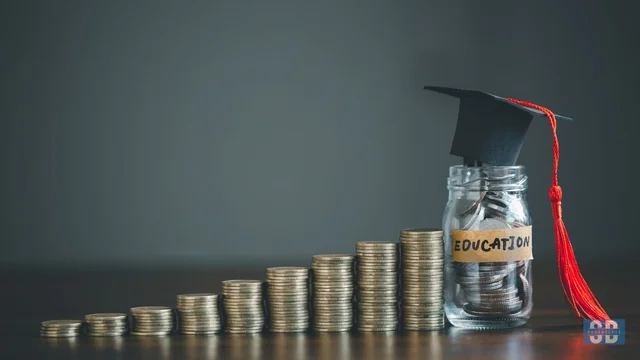
Why Knowledge Really Matters
Most people grow up learning how to solve math problems or write essays, but very few are taught how to handle money. Yet money touches almost every part of life—where we live, what we eat, how we plan for the future, and even how safe we feel day to day. Educating yourself about money is more than just learning how to budget. It’s about building the confidence to make decisions that affect your future. For example, when you start looking at buying a home, terms like What is Loan to Value Ratio come up, and without some financial knowledge, these phrases can feel like a foreign language. Knowing what they mean isn’t just about impressing a banker; it’s about making sure you don’t commit to something that could harm your financial stability.
The Foundation of Independence
Money education gives you freedom. When you understand how money works, you’re not stuck relying on others to guide every choice. Instead of feeling overwhelmed by credit card offers or nervous about signing a lease, you can confidently evaluate whether something helps or hurts your financial picture. Independence isn’t just about living alone or paying your own bills; it’s about being able to plan for yourself without fear. The ability to recognize traps—like high-interest loans or overspending habits—comes directly from understanding money. Without that knowledge, independence can feel shaky and uncertain.
Confidence in Small and Big Goals
Learning about money also helps connect your everyday choices to your bigger dreams. Small decisions like choosing to cook at home instead of eating out can directly impact larger goals, like saving for a trip or paying down debt. When you see how your choices add up, you start to view money as a tool instead of a source of stress. Confidence grows when you realize that your goals, whether big or small, are within reach if you manage resources wisely. Without financial education, dreams often feel distant. With it, they feel like a series of steps you can actually take.
Breaking Free From Fear
For many people, money is tied to fear. Fear of not having enough, fear of making a mistake, or fear of not being able to handle an emergency. Financial education doesn’t erase these fears overnight, but it gives you tools to manage them. Knowing how to build an emergency fund, reduce debt, or plan for retirement provides a sense of security. When you understand what steps to take, fear loses its grip. Instead of ignoring financial problems or avoiding tough conversations, you learn to face them head-on with a plan.
The Hidden Cost of Ignorance
Not knowing about money carries a price. It can lead to poor credit, unnecessary debt, and missed opportunities. For example, many people don’t realize the impact of late payments on their credit score until it’s too late. Others may take out loans without fully understanding the long-term cost. Ignorance doesn’t just limit financial growth—it creates avoidable stress and conflict. By contrast, educating yourself means you recognize these pitfalls before they trap you. The knowledge may take time to build, but the payoff is avoiding years of unnecessary struggle.
Money and Relationships
Money doesn’t exist in a vacuum. It affects families, friendships, and partnerships. Couples often find that financial disagreements are some of the hardest to resolve. By educating yourself, you’re not just protecting your own future—you’re also learning how to communicate and collaborate with others. When you can explain why saving matters, or how debt impacts your plans, it creates healthier conversations. Education makes you a better partner, friend, or family member because you bring clarity instead of confusion to financial decisions.
Adapting to Change
Life is full of change—new jobs, unexpected bills, economic shifts. Without financial education, these changes can feel overwhelming. But when you know how to budget, invest, or save, you can adapt more easily. Financial literacy doesn’t guarantee that life will always be smooth, but it equips you with flexibility. Whether it’s adjusting your budget during a tough month or shifting investments when the economy changes, your knowledge allows you to adapt instead of panic.
Conclusion: Building a Lifelong Skill
Educating yourself about money is one of the most valuable investments you can make. It builds independence, strengthens confidence, reduces fear, and opens doors to achieving goals both big and small. It protects you from costly mistakes and helps you create healthier relationships with others. Most importantly, it gives you control over your future in a way that nothing else can. Money isn’t just about numbers—it’s about choices, opportunities, and security. The earlier you start learning, the stronger your foundation will be. And the good news is, it’s never too late to begin.