The Evolution of Smart Factories: Industry 4.0 in Action
For most manufacturers, setting up smart factories can sometimes prove overwhelming. To get things started, manufacturers will typically need to see digital transformations to change their manufacturing processes. As with any big data initiatives and industrial Internet of Things, trying to get to the finish too fast can eventually get you all the way back to where you began, in addition to a lot of wasted money and time.
It is important to know that leveraging information is the key to most smart factories. Just before the 4th industrial revolution, what many deem industry 4.0, developers and manufacturers relied on manual methods and clipboards to gather machine data and information, gain operation insights, or perform root-cause analysis.
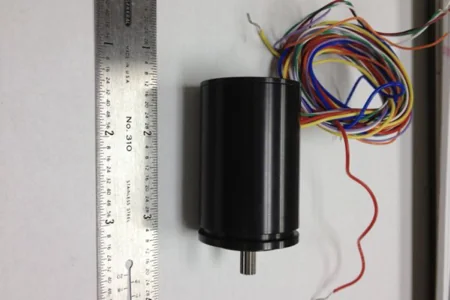
But as the manufacturing process's competitive landscape changed and, considering how technologies have advanced, the industry has reached places where manual manufacturing processes aren't efficient. This has had an impact on industries, including those that manufacture replacement brushless DC motors.
What's A Smart Factory?

The evolution of smart factories involves automating the gathering of information from applications and machines and transforming this collected information into immediate manufacturing insights. These new technologies turn the critical and tedious process of getting insights from different sources of information into one that's streamlined, achievable, and instantaneous for every manufacturer.
Organizations that haven't implemented Internet of Things technologies just yet either don't have information available or the data they have at the moment is very hard to analyze, examine, and transform into manufacturing insights. The information is usually in siloed formats, requiring a lot of manual effort to both translate and integrate into useful information. At this level, problem-solving can be extremely time-consuming.
When machinery and product quality issues occur, engineers and operators need to rush to manually collect data from different systems before they can figure out what occurred and how to rectify what needs to be fixed. This manual approach is both very costly and frustrating. It also drains money, resources, and time from the factory. Level one manufacturers should move to the next level as soon as they can or risk draining millions in lost manufacturing and production outputs from undocumented and unplanned downtimes every day.
Connected Data
The first thing you need to do when building a smart factory is to get your data connected and integrate disparate production and manufacturing sources into one main source that continuously tracks and collects information. With all the information put in one place and always readily available, problem-solving starts to become very frictionless.
When a problem arises, engineers and operators can get the information using dashboards and visualizations, mainly leveraging the whole system as somewhat of a query engine. When data can be easily accessed, engineers and operators can quickly answer queries, resulting in enhanced pant agility and productivity that can easily withstand new and changing environments.
Industry 4.0 Systems
Industry 4.0 smart factories are normally powered by automation technologies and data. They typically change every step of the organization's manufacturing and production processes. Factories that have intelligent technologies and equipment that have the ability to communicate and interact with real-world conditions not only help drive up productivity but also increase profits and reduce waste.
For example, when it comes to, say, food manufacturing, digital technologies and equipment in raw material delivery can help both track and identify delivery systems. When it comes to processing, digital technologies and equipment also allow for precision processing techniques. It can also provide new chances for product personalization, linked to consumer requests.
The industrial revolution to 4.0 is mainly all about changing the ways we eventually manufacture and produce things from start to finish.