Tether Has So Much Cash It's Becoming a VC — From Smart Beds to Humanoid Robots
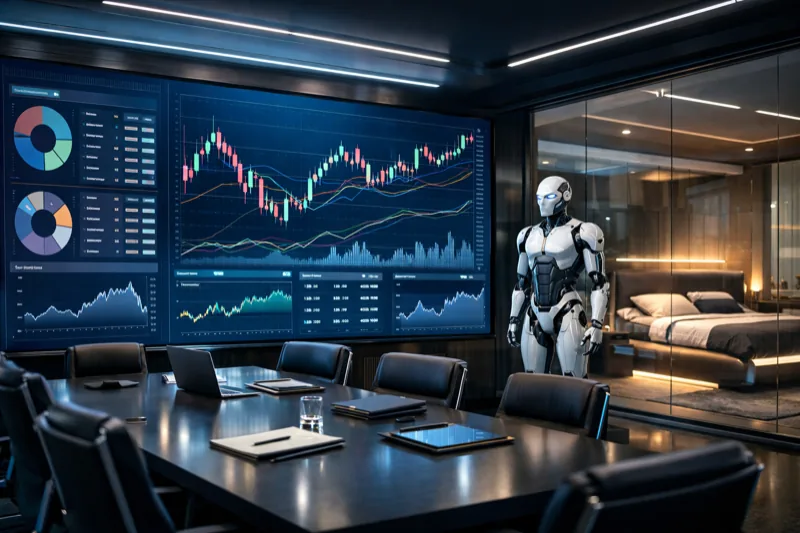
Tether, the company behind the world’s largest stablecoin USDT, has so much cash flowing in that it’s essentially becoming a venture capital firm — and its investment portfolio reads like a Silicon Valley fever dream crossed with a farmer’s almanac.
The Shopping Spree
In just the first months of 2026, Tether has deployed capital across an astonishing range of sectors:
- Eight Sleep: Led a $50 million round in the smart mattress company at a $1.5 billion valuation. Because apparently, the company that backs every dollar with treasury bills also wants to optimize your REM cycles.
- Neura Robotics: Backed a roughly €1 billion round in the German humanoid robotics startup, valuing it at €4 billion. These are the robots that will probably serve you coffee one day.
- Adecoagro: Invested in a South American agricultural company because, according to Tether, it “reflects the importance of sustainable agriculture and food production.”
- Generative Bionics: Another humanoid robotics company, because one robot investment apparently wasn’t enough.
- Gold.com: Yes, they invested in gold. The original stablecoin.
The Numbers Are Staggering
Here’s the context that makes this wild: in 2026 so far, VC-backed crypto companies have invested $1.4 billion in startups outside the crypto industry — more than twice the $600 million they’ve invested in crypto-focused startups. Tether is leading this exodus of crypto capital into the “real” economy.
The source of all this cash? USDT’s reserves, primarily invested in U.S. Treasury bills, generate massive interest income. Tether reported over $13 billion in profits in 2024. When your stablecoin generates that kind of return, you need somewhere to put the money.
The Skeptic’s View
There’s something deeply ironic about a cryptocurrency company — one that has faced years of scrutiny over whether its reserves actually exist — now becoming one of the most active investors in non-crypto companies. It’s the ultimate diversification play: the company that prints digital dollars is buying real-world robots, smart beds, and farmland.
Critics will point out that Tether’s transparency issues haven’t been fully resolved, and that using stablecoin profits to build a conglomerate raises governance questions that no one is asking loudly enough.
The Bottom Line
Tether is proof that in 2026, the line between crypto and traditional finance has completely dissolved. A stablecoin issuer is now a major VC, and its portfolio spans from AI robots to agricultural land. Whether this is brilliant diversification or a house of cards depends entirely on whether you trust that the $140+ billion in USDT circulating is actually backed by anything. If it is, Tether might be building the most diversified investment portfolio in tech. If it isn’t, well, those robots are going to need a new owner.