Tesla Removes Autopilot Entirely to Dodge 30-Day Suspension in California
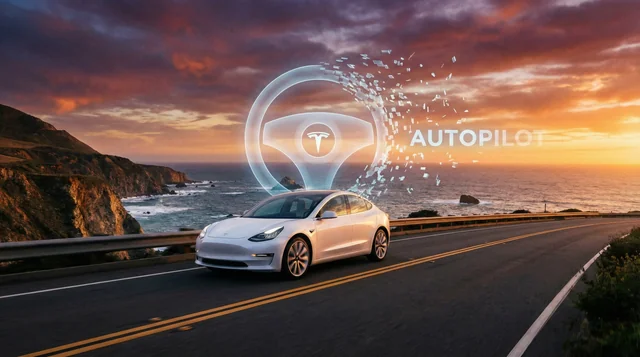
Regulatory Compliance by Deletion
In one of the more unusual regulatory maneuvers in recent automotive history, Tesla has completely removed its Autopilot feature from vehicles in California to avoid a 30-day suspension order from the state's Department of Motor Vehicles. Rather than addressing the safety and marketing concerns that triggered the enforcement action, Tesla chose the nuclear option: simply killing the feature entirely.
The move, first reported by TechCrunch, represents a dramatic escalation in the ongoing tensions between Tesla and California regulators over the company's autonomous driving technology and how it's marketed to consumers.
What Triggered the Suspension Threat
The California DMV had been investigating Tesla's Autopilot and Full Self-Driving (FSD) systems over concerns about misleading marketing claims. Specifically, regulators took issue with:
- The name "Autopilot" itself: Critics and regulators have long argued that the name implies full autonomous capability when the system requires constant driver attention
- "Full Self-Driving" branding: Despite the name, FSD is a Level 2 driver-assistance system that requires active human supervision at all times
- Safety incidents: Multiple crashes and fatalities involving vehicles with Autopilot engaged have raised questions about the technology's readiness and how Tesla communicates its limitations
- Marketing materials: Regulators found that Tesla's marketing could lead consumers to overestimate the capabilities of the system
The DMV had given Tesla the option to either modify its marketing and safety disclosures or face a 30-day suspension of its autonomous vehicle testing permits. Tesla chose a third option nobody expected.
The Removal: What It Means for Tesla Owners
Tesla pushed an over-the-air software update that disables Autopilot functionality for vehicles registered in California. This affects several features that California Tesla owners had been using daily:
- Traffic-Aware Cruise Control: The adaptive cruise control component of Autopilot
- Autosteer: The lane-keeping assistance that works with cruise control
- Auto Lane Change: The ability to change lanes with turn signal activation
- Navigate on Autopilot: Highway on-ramp to off-ramp automated driving
Full Self-Driving (FSD), which is a separate subscription-based product, appears to be handled differently, though the exact status remains in flux as Tesla and regulators continue discussions.
Why This Strategy Is So Unusual
Tesla's approach is remarkable for several reasons. Most companies facing regulatory action over product marketing would simply update their marketing materials, add disclaimers, or modify the product's branding. The compliance cost would be minimal compared to the customer impact of removing the feature entirely.
Instead, Tesla appears to be making a statement — potentially using the removal as leverage in negotiations with regulators, or signaling that it would rather have no Autopilot in California than operate under restrictions it considers unreasonable.
This is particularly noteworthy because California is Tesla's largest market by volume. Removing a flagship feature from vehicles in the state where the company is headquartered is an extraordinary gambit.
The Broader Implications
Tesla's move raises several important questions for the autonomous vehicle industry:
- Regulatory precedent: If California successfully forces feature changes through suspension threats, other states may follow suit
- Consumer rights: Owners who paid for Autopilot (or whose vehicle price included it) now have reduced functionality — raising potential legal questions
- Industry impact: Other automakers with advanced driver-assistance systems (GM's Super Cruise, Ford's BlueCruise) are watching closely to see how naming and marketing standards evolve
- Federal vs. state authority: The incident highlights the fragmented regulatory landscape for autonomous vehicles in the United States
What Happens Next
The situation remains fluid. Tesla and the California DMV are reportedly in ongoing negotiations. Possible outcomes include:
- Tesla reinstates Autopilot with modified marketing and enhanced safety warnings
- Tesla rebrands the feature under a different name that doesn't imply full autonomy
- Legal challenge: Tesla could challenge the DMV's authority in court
- Prolonged standoff: The feature remains disabled while both sides hold their positions
The Bottom Line
Tesla's decision to remove Autopilot entirely rather than comply with California's marketing requirements is a bold and unprecedented move in the automotive industry. It's regulatory compliance by deletion — and it sets a concerning precedent where companies can simply remove features rather than address legitimate safety and marketing concerns. For California Tesla owners, it means losing functionality they paid for. For the industry, it's a reminder that the rules governing autonomous driving technology are still very much being written.