64% of Teens Use AI Chatbots — And 40% of Parents Have Never Even Asked About It
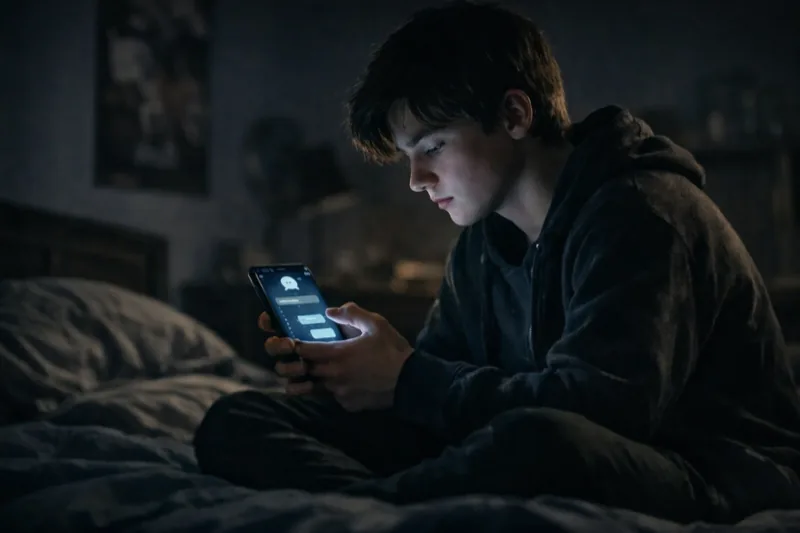
The AI Gap Between Parents and Teens Is Alarming
Here is a statistic that should make every parent pause: 64% of American teenagers use AI chatbots, but only 51% of parents think their kids do. Worse still, 40% of parents have never had a single conversation with their children about AI.
These numbers come from a major new study by the Pew Research Center, which surveyed 1,458 US teens aged 13-17 and their parents. The findings, reported by the BBC, paint a picture of a generation navigating powerful AI tools almost entirely on their own — with parents largely unaware of what is happening.
What Teens Are Actually Doing With AI
The most common uses are predictable: homework help, research, creative inspiration, daily decisions like where to eat. But some uses are far more concerning:
- 12% of teens use AI for emotional support and advice
- 16% use it for casual conversation — essentially treating chatbots as companions
- Some teens describe AI as a source of perspective on personal problems
These percentages may look small, but they represent millions of children across the US. And there are striking racial disparities: 21% of Black teenagers use AI for emotional support, compared to 13% of Hispanic teens and just 8% of White teens.
Parents Are Not Okay With This — But They Don't Know It's Happening
Here is the disconnect: 58% of American parents say they are NOT okay with their teens using AI for emotional support. Another 20% said they were unsure. But it is happening anyway, in bedrooms across the country, on phones that parents bought for their children.
The American Psychological Association has identified warning signs of problematic AI use in teenagers:
- Describing AI as their "best friend" or primary confidant
- Falling apart when they cannot access it
- Declining school performance, sleep, or real friendships
- Using AI to avoid difficult real-world conversations
- Noticeable mood or behavior changes
The Teens Are Smarter Than You Think — But Still Need Guidance
One 17-year-old interviewed by the BBC, Isis Joseph, demonstrates the nuance many teens bring to AI use: she recognizes that AI "may just be saying what she wants to hear" and takes its advice with caution. She acknowledges that using AI for companionship "can go too far."
But not all teenagers have that self-awareness. One 16-year-old described a friend who "talked to AI all the time" — laughing at responses while sitting with real friends who were right next to him.
The Bottom Line
The AI conversation gap between parents and teenagers is not a technology problem — it is a parenting problem. AI chatbots are not going away. They are going to become more capable, more personable, and more convincing as companions.
If 40% of parents have never discussed AI with their children, that needs to change immediately. Not with lectures about danger, but with genuine questions: What do you use AI for? How does it make you feel? Do you talk to it about personal things?
The alternative — millions of teenagers forming emotional relationships with AI chatbots while their parents have no idea — is a scenario we are already living in. The only question is whether we start paying attention before it becomes a crisis.