Tata Curvv and the Growing Importance of Visual Identity in SUVs
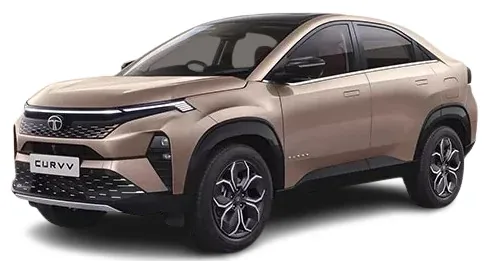
The SUV segment has become one of the most competitive spaces in the automotive industry. With multiple manufacturers offering vehicles in similar size and price brackets, differentiation has become increasingly important. While performance, safety, and technology remain essential factors, visual identity is now playing a more significant role in influencing buyer decisions. The Tata Curvv clearly reflects this shift, demonstrating how design language and styling cues can define a vehicle’s character as much as its specifications.
In today’s market, how a vehicle looks is closely tied to how it is perceived
Visual Identity as a Differentiator
In earlier years, SUVs were primarily distinguished by their size and mechanical capability. Most models followed similar design principles — upright silhouettes, squared edges, and minimal emphasis on styling variation. As competition increased, manufacturers began exploring more distinctive visual identities to stand out.
The Tata Curvv adopts a design approach centred on fluid lines and a coupe-inspired profile. The Curvv highlights this philosophy as a move away from conventional straight-edged SUV styling toward a more sculpted and dynamic form.
This emphasis on design allows the vehicle to differentiate itself visually even before its specifications are considered.
The Role of the Coupe-SUV Silhouette
One of the most defining elements of the Curvv’s identity is its sloping roofline. Unlike traditional SUVs with flat roofs, the Curvv features a curved profile that tapers toward the rear. This silhouette creates a more streamlined and contemporary appearance.
The coupe-style roofline contributes to a sense of motion even when the vehicle is stationary. It also aligns with global design trends, where SUVs are increasingly adopting sportier proportions.
This design shift illustrates how visual identity is evolving from purely functional geometry to expressive styling.
Lighting as a Design Signature
Lighting has become an important element of modern automotive identity. The Curvv incorporates connected LED tail lamps and distinctive front lighting elements, which contribute to its recognisable appearance.
Such lighting signatures not only improve visibility but also create a consistent brand identity across different models. In crowded urban environments, unique lighting patterns make vehicles instantly identifiable.
Manufacturers increasingly use lighting as a visual signature that defines brand character.
Surface Design and Aerodynamic Form
Beyond the roofline, the Curvv’s body features sculpted surfaces that enhance both aesthetics and aerodynamics. Smooth transitions between panels and the absence of sharp edges contribute to a cohesive design language.
These surfaces influence how light interacts with the vehicle, creating visual depth and highlighting contours. While aerodynamic efficiency is an engineering benefit, it also contributes to a cleaner and more modern appearance.
Design and function, therefore, intersect in shaping the vehicle’s identity.
Interior Design and Perceived Space
Visual identity extends beyond the exterior into the cabin. The Curvv incorporates a 12.3-inch infotainment system and a 10.25-inch digital instrument cluster, creating a contemporary digital interface.
Interior lighting, layout, and material choices contribute to a cohesive design theme that aligns with the exterior styling. Features such as a panoramic sunroof with mood lighting enhance the perception of openness and sophistication.
The interior environment reinforces the overall design narrative rather than functioning as a separate space.
The Influence of Design on Buyer Decisions
Modern buyers often prioritise aesthetics alongside performance and safety. In many cases, design becomes a deciding factor when multiple vehicles offer similar specifications.
Digital platforms have further amplified this trend. On online car-buying platforms such as ACKO Drive, where buyers compare vehicles through images, feature lists, and specifications before booking online, visual identity becomes a primary point of differentiation.
A distinctive design can therefore influence shortlisting even before detailed technical evaluation begins.
Balancing Style with Practicality
While visual identity is important, it must not compromise practicality. The Curvv demonstrates this balance by maintaining usable interior space and approximately 500 litres of boot capacity despite its coupe-style silhouette.
Rear seating configurations and interior layout adjustments ensure that functionality remains intact. This balance is essential for everyday-use vehicles.
Design innovation must coexist with usability to sustain long-term appeal.
A Broader Industry Shift
The emphasis on visual identity in vehicles like the Curvv reflects a broader shift in the automotive industry. As SUVs become more common, differentiation through size alone is no longer sufficient. Manufacturers are increasingly focusing on distinctive styling elements to create brand recognition.
This trend is particularly visible in urban markets, where buyers view vehicles as extensions of personal style as well as functional assets.
Conclusion
The Tata Curvv illustrates how visual identity has become a central element of SUV design. Through its coupe-inspired silhouette, distinctive lighting, sculpted surfaces, and cohesive interior layout, it demonstrates how styling can influence perception and buyer preference.
As competition in the SUV segment intensifies, visual differentiation is likely to play an even greater role in shaping purchasing decisions. The Curvv reflects this evolution, showing that in modern vehicles, design is no longer secondary — it is fundamental to identity.