Suspect in Altman Molotov Attack Was Member of Anti-AI Discord Server
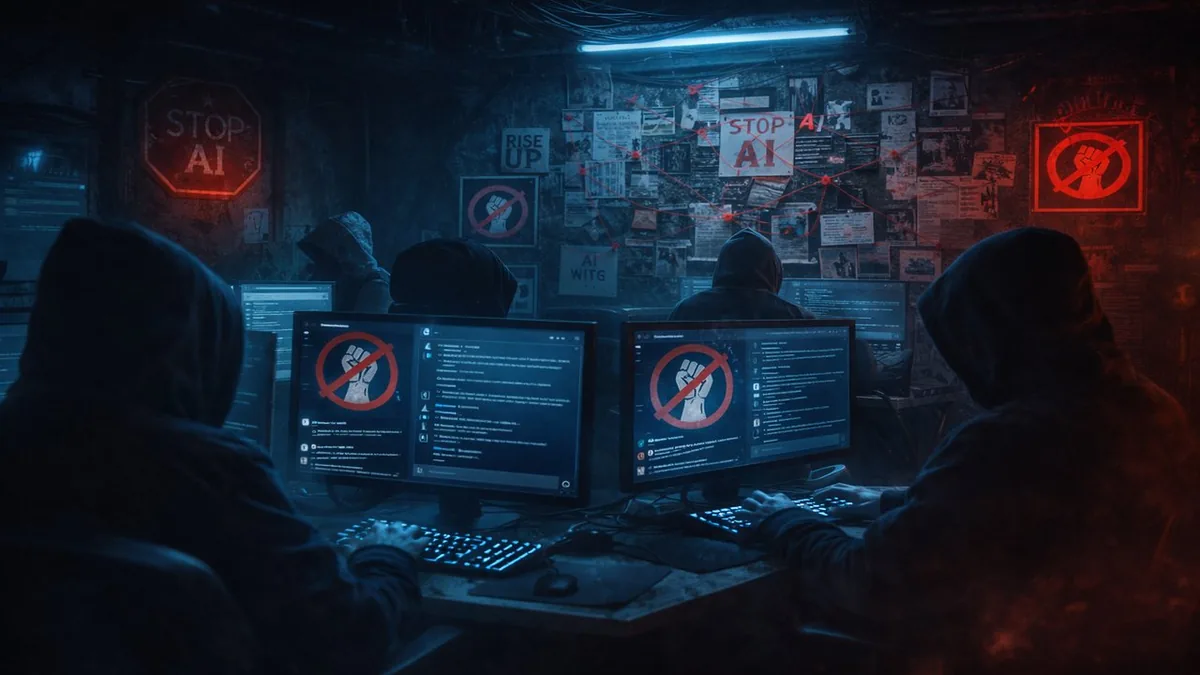
The suspect arrested in connection with the Molotov cocktail attack on OpenAI CEO Sam Altman's San Francisco home was linked to an online Discord server where members debated AI existential risks and discussed hostility toward artificial intelligence companies and their leaders, Business Insider reported. The connection surfaces a troubling intersection between the online AI safety discourse community — which has grown substantially as frontier AI development has accelerated — and real-world violence targeting AI executives. Altman's home was attacked twice within 48 hours: first with a Molotov cocktail on April 10, then with gunfire on April 12.
The Online-to-Offline Pipeline
The Discord server connection, while not establishing that the server itself incited violence, points to a pattern that security researchers and sociologists have documented across multiple extremist movements: online communities that develop increasingly intense ideological frameworks can serve as radicalizing environments for individuals predisposed to direct action. AI safety discourse has a spectrum ranging from mainstream academic concern about long-term AI risks to more extreme positions that frame AI development companies as existentially threatening actors who should be stopped by any means. The majority of people holding even strong anti-AI views do not commit violence — but the online environment that validates and amplifies those views creates the context in which rare individuals escalate.
The specific server involved has not been named publicly, and investigators have not claimed it directly organized or encouraged the attack. What the connection does establish is that the first attacker was embedded in a community defined by AI anxiety — and that this anxiety, as Sam Altman himself noted after the first attack, has been intensified by apocalyptic framing in public AI discourse. Several prominent AI safety researchers and commentators have used language describing AI development as a potential extinction-level threat, which critics argue creates the rhetorical conditions for violence even when the speakers intend no such outcome.
The Broader Security Implications
The Altman attacks have prompted renewed discussion about physical security for AI executives and whether the AI industry — which has cultivated a culture of public accessibility and open discourse — is adequately prepared for the security environment created by its own prominence. Tech executives have historically faced less physical threat than, for example, politicians or financial executives, and their security arrangements often reflect that. The successive attacks on Altman's home suggest the threat environment may be changing. Several AI companies have reportedly reviewed security protocols for senior leadership following the incidents.
Frequently Asked Questions
Who attacked Sam Altman's home?
Two separate incidents occurred within 48 hours. A suspect was arrested after the first attack involving a Molotov cocktail on April 10. Two suspects were arrested after the second attack involving gunfire on April 12. The Molotov suspect was linked to an online Discord server discussing AI existential risks.
Was the Discord server directly responsible for the attack?
No. Investigators have not claimed the server organized or incited the attack. The connection establishes that the suspect was embedded in an online community focused on AI anxiety and existential AI risks — not that the community as a whole endorsed or encouraged violence.
What is Sam Altman's response to the attacks?
Altman has called for de-escalation of rhetorical intensity in AI discourse, saying the language used to discuss AI risks has contributed to a threat environment. He has not publicly named specific individuals or communities as responsible for the broader climate.
The Bottom Line
The Discord server connection in the Altman case adds a dimension to the story that goes beyond individual criminal acts: it implicates the broader ecosystem of AI anxiety discourse as a context — not a cause, but a context — for the radicalization of individuals who act violently. This is a pattern the AI industry, and the AI safety community specifically, will need to grapple with honestly. Raising genuine concerns about AI risks is legitimate and necessary. But the framing, the intensity, and the targets of AI safety rhetoric have real-world consequences that extend beyond academic debate. The industry that created the technology, and the community that critiques it, both bear some responsibility for the climate that has made AI executives targets.