Super Micro Co-Founder Indicted for Smuggling $2.5B in Nvidia AI Chips to China
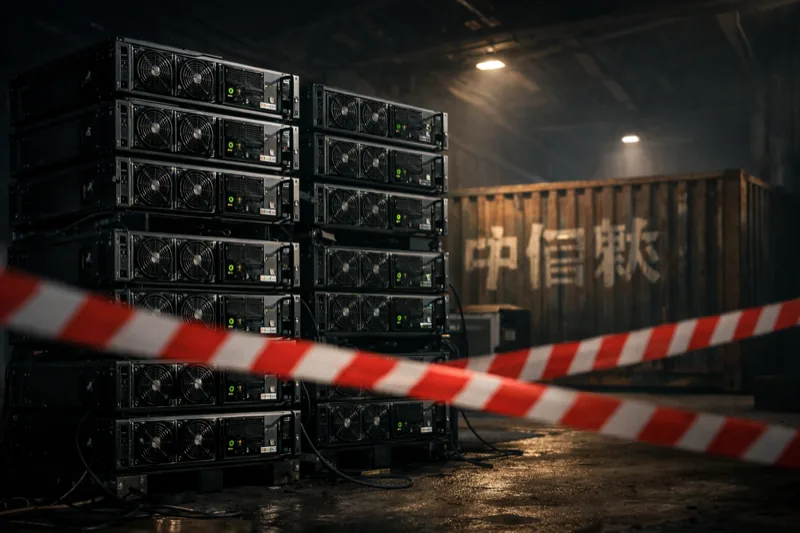
Super Micro Computer's co-founder has resigned from the company's board after federal prosecutors unsealed an indictment alleging he orchestrated a massive scheme to smuggle Nvidia AI chips to China — generating approximately $2.5 billion in sales since 2024. The company's stock plummeted 33% on the news.
The Smuggling Scheme
According to the federal indictment, Yih-Shyan "Wally" Liaw, Super Micro's senior vice president of business development, used a Southeast Asian company as a middleman to funnel servers containing Nvidia GPUs to China without the required U.S. Commerce Department export license.
The operation was sophisticated: the middleman company compiled fake paperwork to appear as if it would be using the servers itself, while a separate logistics firm repackaged the servers to conceal their true destination before shipping them to China.
Perhaps most audaciously, the defendants used "dummy" servers at the Southeast Asian company's storage facilities to fool Super Micro's compliance team — and even during a visit from a U.S. export control officer. The real servers had already been forwarded to China.
The Scale of the Operation
The numbers are staggering. The indictment alleges the scheme generated around $2.5 billion in sales for Super Micro since 2024. Between late April and mid-May 2025 alone, servers worth $510 million were sold to the Southeast Asian intermediary and forwarded to China.
Three individuals have been charged: Liaw, sales manager Ruei-Tsan "Steven" Chang, and contractor Ting-Wei "Willy" Sun. Super Micro has placed Liaw and Chang on administrative leave and severed ties with Sun.
Company Response
Super Micro moved swiftly after the indictment, appointing DeAnna Luna — an executive who joined from Intel in 2024 — as acting chief compliance officer. Luna previously served as vice president of global trade and sanctions compliance.
Liaw had his initial court appearance on Thursday and was released on an unsecured bond. His bond hearing is set for Wednesday.
The Bottom Line
This case exposes a massive hole in U.S. export controls on AI chips. Despite years of restrictions designed to prevent China from accessing advanced AI hardware, a co-founder of one of America's largest server makers allegedly ran a $2.5 billion smuggling operation right under regulators' noses. Dummy servers, fake paperwork, shell companies — the playbook reads like a spy novel, except it's real and it's been happening at scale. If the people building the servers can't be trusted to follow export rules, the entire enforcement framework needs a serious rethink.