Stationery Design: Trends, Examples & Best Practices for Professional Branding (2025)
Stationery design remains one of the most impactful aspects of corporate branding and visual identity. A well-designed stationery suite—encompassing business cards, letterheads, envelopes, and other branded materials—communicates professionalism, establishes credibility, and creates lasting impressions with clients and partners.
In 2025, the global stationery market is valued at US$165.87 billion and is projected to reach US$238.46 billion by 2032, demonstrating the continued importance of physical brand touchpoints in our increasingly digital world.
Stationery Design Trends for 2025
The stationery design landscape continues to evolve with new aesthetics, materials, and functional innovations. Here are the key trends shaping professional stationery design in 2025:
Bold Color Palettes
2025 marks a departure from muted tones toward bold, expressive colors. Cherry red has emerged as a sophisticated yet energetic choice, while purple shades—lavender, violet, and deep amethyst—bring luxury and creativity to brand materials. Pantone's 2025 Color of the Year, Mocha Mousse, offers a warm, refined alternative for brands seeking understated elegance. Color gradients continue to dominate, adding depth and visual interest to flat designs.
Minimalist Aesthetics
Clean, simple designs with minimal components remain highly popular. This approach emphasizes neutral hues, clean typography, and generous white space to create sophisticated, professional appearances. Minimalism communicates confidence and clarity—essential qualities for business communications.
Premium Materials and Finishes
Luxury finishes are increasingly accessible and expected in professional stationery. Key elements include:
- Heavyweight paper stock (300-400 GSM for business cards)
- Foil stamping in gold, silver, rose gold, or holographic finishes
- Embossed and debossed logos for tactile brand experiences
- Silk and soft-touch lamination for a premium feel
- Textured papers including linen, cotton, and laid finishes
Lo-Fi and Nostalgic Design
2025 embraces imperfection with Lo-Fi aesthetics featuring grainy textures, motion blur effects, muted colors, and deliberately "rough around the edges" styling. Nostalgic elements—vintage papers, floral motifs, and intricate patterns—evoke warmth and authenticity, particularly appealing for artisan brands and creative industries.
Sustainable Materials
Eco-friendly stationery has transitioned from trend to expectation. Brands increasingly choose recycled papers, soy-based inks, plantable seed paper, and FSC-certified materials. Sustainable choices signal corporate responsibility and resonate strongly with environmentally conscious clients.
Functional and Interactive Elements
Modern stationery combines aesthetics with utility:
- QR codes on business cards linking to digital portfolios or contact information
- NFC-enabled cards for instant digital contact sharing
- Integrated calendars and scheduling tools in notebooks and planners
- Personalized elements addressing specific client needs
Tech-Inspired Aesthetics
For technology companies and forward-thinking brands, futuristic designs featuring neon colors, bold 3D elements, and striking typography create memorable, attention-demanding stationery that bridges physical and digital brand experiences.
Essential Components of Business Stationery
| Component | Standard Size | Primary Purpose | Key Design Elements | Recommended Paper Weight |
|---|---|---|---|---|
| Business Cards | 3.5" x 2" (US) / 85mm x 55mm (EU) | Networking, contact sharing | Logo, contact info, tagline | 300-400 GSM |
| Letterhead | 8.5" x 11" (US) / A4 (EU) | Official correspondence | Logo, address, contact details | 100-120 GSM |
| Envelope | #10 (US) / DL (EU) | Mailing correspondence | Logo, return address | 90-120 GSM |
| Compliment Slip | 8.5" x 3.5" / DL third | Brief notes, accompaniments | Logo, "With Compliments" | 100-120 GSM |
| Notepads | Various (A5, A6 common) | Internal notes, client gifts | Logo header, lined/blank pages | 80-100 GSM |
| Presentation Folder | 9" x 12" / A4 | Document presentation, proposals | Logo, pockets, business card slot | 350-400 GSM |
| Invoice/Receipt | 8.5" x 11" / A4 | Financial documentation | Logo, company details, terms | 80-100 GSM |
| Name Badge | 3" x 4" / Various | Events, identification | Logo, name, title | Card stock or plastic |
Comparison: Stationery Design Tools and Platforms
| Tool/Platform | Best For | Skill Level | Price Range | Key Features |
|---|---|---|---|---|
| Adobe Illustrator | Professional designers | Advanced | $22.99/month | Vector graphics, precise control, industry standard |
| Adobe InDesign | Multi-page layouts | Advanced | $22.99/month | Layout design, typography, print-ready exports |
| Canva | Non-designers, quick projects | Beginner | Free - $12.99/month | Templates, drag-and-drop, collaboration |
| Figma | Collaborative design teams | Intermediate | Free - $15/month | Real-time collaboration, prototyping, components |
| Affinity Designer | Budget-conscious professionals | Intermediate | $69.99 one-time | Vector/raster hybrid, no subscription |
| CorelDRAW | Print professionals | Advanced | $249/year | Print-focused, comprehensive toolset |
| 99designs | Outsourcing design | N/A (service) | $299-$1,299+ | Designer marketplace, contests, packages |
| Vistaprint | Design + printing | Beginner | Varies by product | Templates, integrated printing, fast delivery |
Exceptional Stationery Design Examples
The following showcase represents outstanding stationery designs demonstrating various approaches to corporate identity and branding. These examples illustrate how thoughtful design creates cohesive, professional brand experiences.
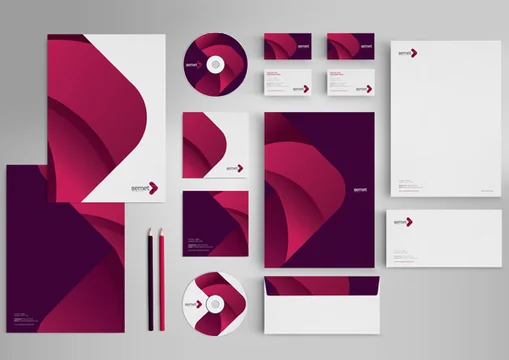
1. SEMET Identity by Mohd Almousa

A masterclass in minimalist corporate identity with clean lines and sophisticated typography.
2. Agrovida Visual Identity
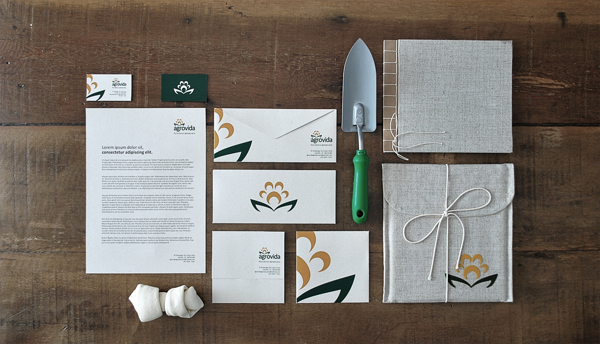
Organic-inspired branding perfect for agricultural and eco-conscious businesses.
3. Daisy Bank Soap Co.
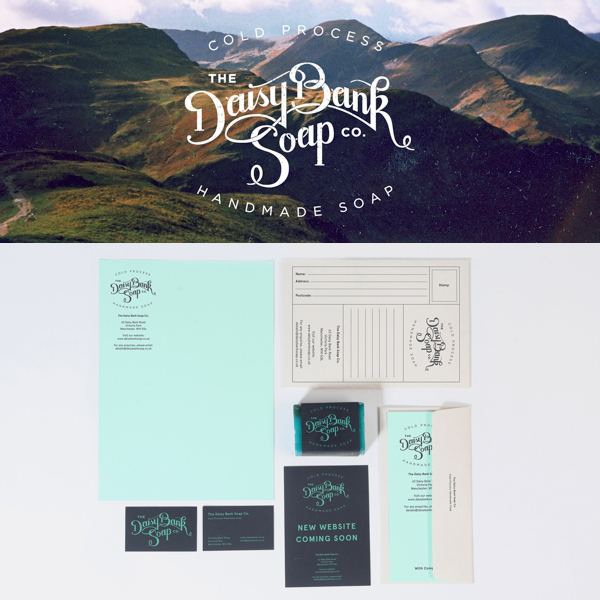
Artisan branding showcasing vintage-inspired aesthetics with modern execution.
4. Viper Tools Identity Package
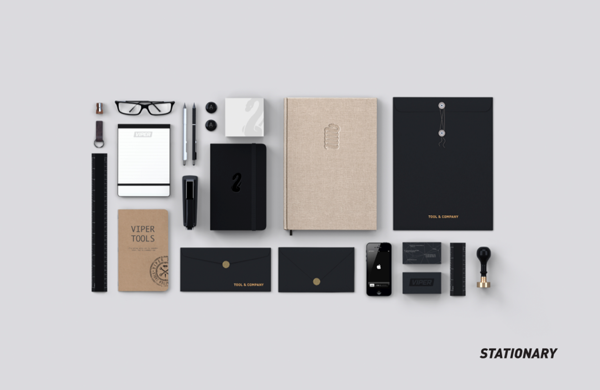
Industrial strength branding demonstrating bold typography and strong visual hierarchy.
5. London Charters by Brandon Nickerson
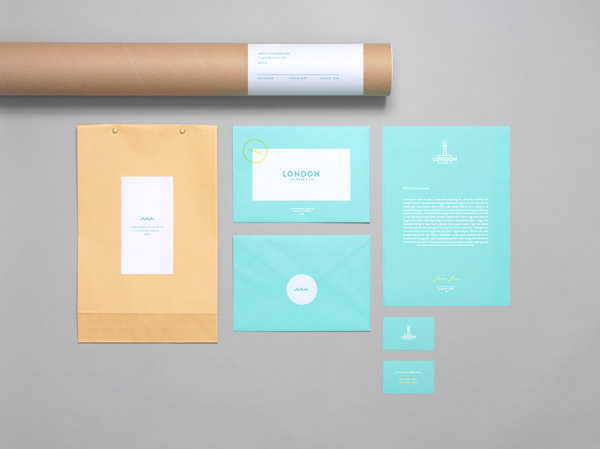
Premium corporate identity featuring classic elegance suitable for financial and legal sectors.
6. Traditional China Medicine
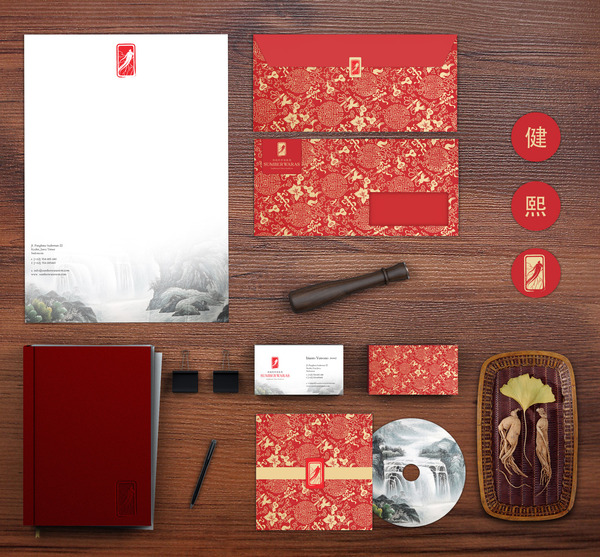
Cultural heritage beautifully integrated with contemporary design principles.
7. Kempeli Rebranding
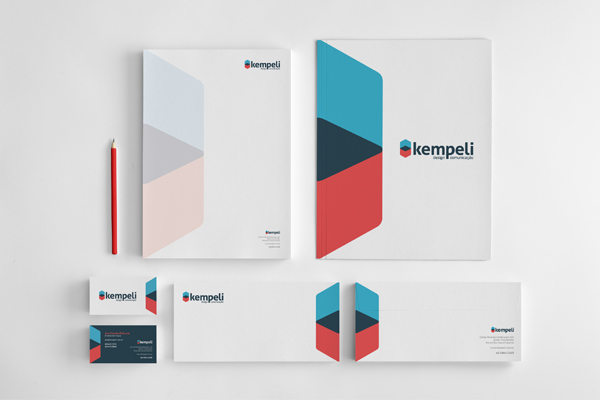
Modern tech company branding with clean geometry and vibrant accent colors.
8. Oak Long Bar + Kitchen

Hospitality branding demonstrating warmth and sophistication through material choices.
9. Color Propaganda by Marco Oggian
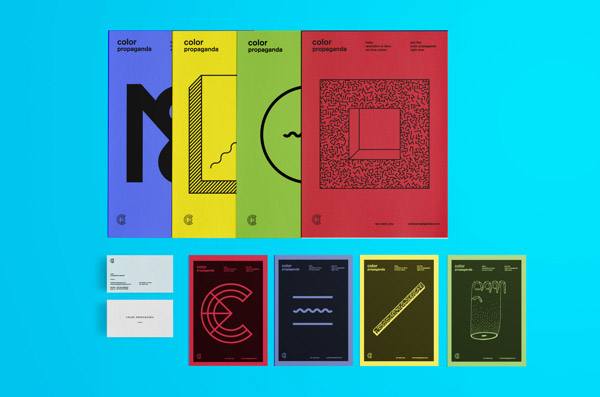
Bold, creative agency branding showcasing expressive use of color and typography.
10. Adam & Eve Law Firm

Professional legal sector branding balancing tradition with contemporary design.
11. Visualworx by ATMO Designstudio
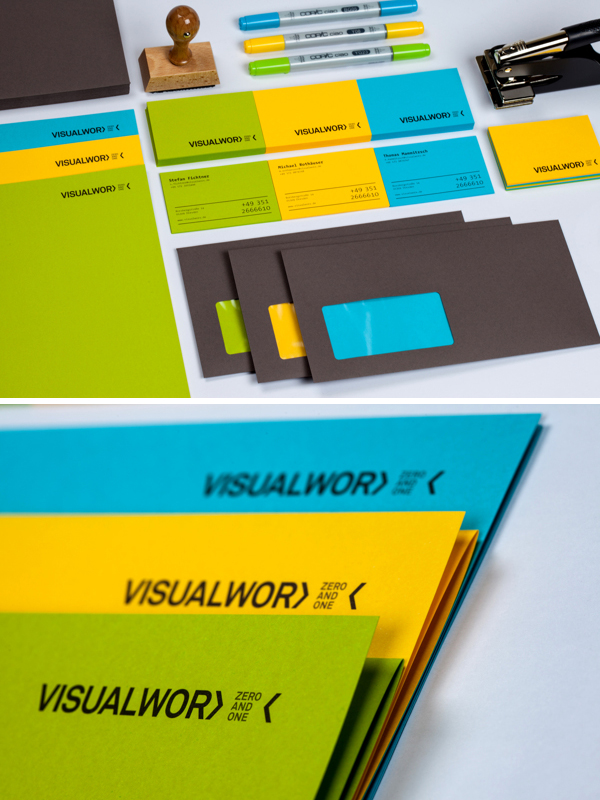
Creative studio identity featuring geometric patterns and cohesive brand application.
12. Turris Cloud Management
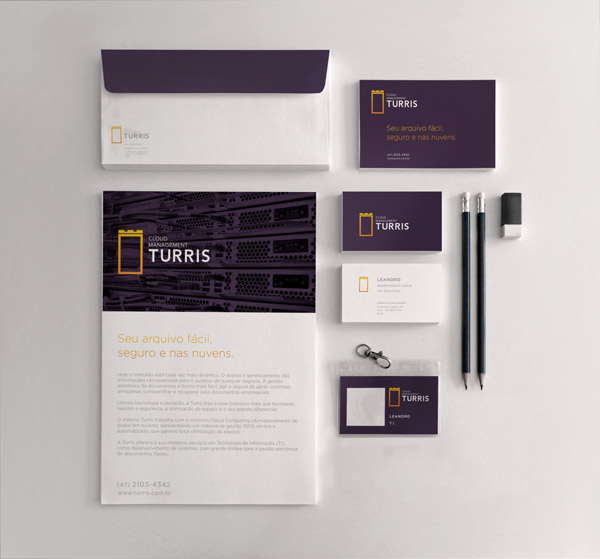
Technology sector branding with modern, forward-thinking visual language.
13. Life Shield Shelters

Humanitarian organization branding conveying trust and protection.
14. Engler Studio Identity
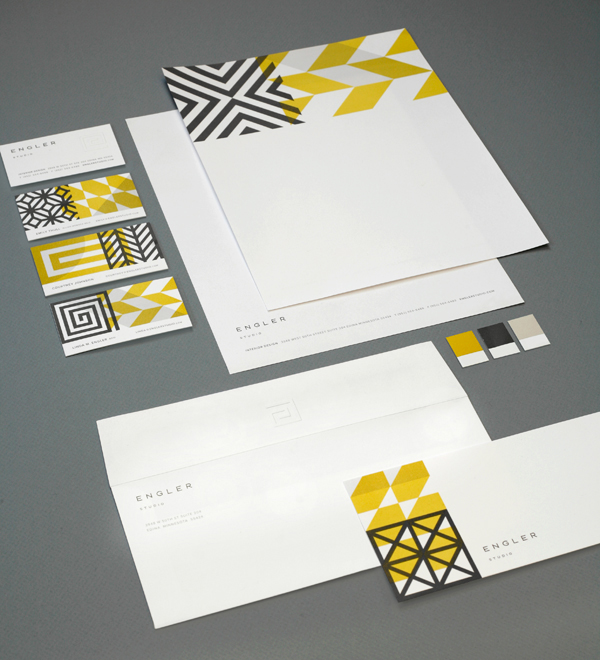
Architectural firm identity with precise, structural design elements.
15. Union by Northink

Comprehensive brand identity system demonstrating consistency across all touchpoints.
Best Practices for Stationery Design
Maintain Brand Consistency
Every piece of stationery should reinforce your brand identity through consistent use of logos, colors, typography, and visual elements. Create brand guidelines specifying exact color codes (CMYK for print), font families, logo placement rules, and minimum size requirements.
Prioritize Print Quality
Design at 300 DPI minimum for print materials. Use CMYK color mode, include proper bleed areas (typically 3mm/0.125"), and request print proofs before final production. Premium paper stock and professional printing significantly impact perceived brand quality.
Consider Functionality
Beautiful design must also be practical. Ensure business cards fit standard wallets and cardholders, letterheads leave adequate writing space, and envelopes meet postal requirements. QR codes should be sized appropriately for reliable scanning.
Plan for Digital Integration
Modern stationery should bridge physical and digital experiences. Include social media handles, website URLs, QR codes linking to digital resources, and consider NFC-enabled options for tech-forward brands.
Frequently Asked Questions (FAQ)
What is stationery design?
Stationery design refers to creating branded materials for business communications, including business cards, letterheads, envelopes, notepads, presentation folders, and other printed materials that carry a company's visual identity. Professional stationery design ensures these materials work cohesively to reinforce brand recognition and communicate professionalism.
Why is business stationery still important in the digital age?
Physical stationery creates tangible brand experiences that digital communications cannot replicate. Business cards exchanged at networking events, letterheads on official correspondence, and branded materials in client meetings all contribute to brand memorability and perceived credibility. Studies show that physical touchpoints create stronger emotional connections than digital-only interactions.
What should be included in a basic stationery package?
A basic business stationery package typically includes: business cards (personal and generic company versions), letterhead, #10 envelopes, and a compliment slip. Expanded packages may add presentation folders, notepads, invoice templates, email signatures, and branded document templates.
How much does professional stationery design cost?
Stationery design costs vary significantly based on scope and designer expertise. Basic packages from freelancers range from $200-$500, while comprehensive identity systems from agencies can cost $2,000-$10,000 or more. Platforms like 99designs offer packages from $299-$1,299. DIY options using Canva or similar tools are available for businesses with limited budgets.
What paper weight should I use for business cards?
Professional business cards typically use 300-400 GSM (grams per square meter) paper stock. Lighter weights feel flimsy and unprofessional, while 350-400 GSM provides substantial, premium feel. Consider specialty stocks like cotton, textured, or recycled papers for distinctive tactile experiences.
What file formats should I request from my designer?
Request the following file formats: AI or EPS (vector source files for future editing), PDF (print-ready files with proper bleed and crop marks), PNG (for digital use with transparency), and JPEG (for web and email). Ensure you receive both CMYK versions for print and RGB versions for digital applications.
How do I ensure brand consistency across all stationery?
Create comprehensive brand guidelines documenting logo usage, color specifications (Pantone, CMYK, RGB, and HEX codes), typography rules, spacing requirements, and approved design elements. Use these guidelines as a reference for all future stationery production and share them with any vendors or printers.
What are the current stationery design trends for 2025?
Key 2025 trends include: bold color palettes featuring cherry red and purple shades, minimalist aesthetics with generous white space, premium finishes like foil stamping and embossing, sustainable eco-friendly materials, interactive elements such as QR codes and NFC technology, and Lo-Fi nostalgic aesthetics with vintage-inspired textures.
Should I include QR codes on my business cards?
QR codes can add significant functionality to business cards, linking to digital portfolios, contact information (vCard), LinkedIn profiles, or websites. However, ensure the QR code is large enough to scan reliably (minimum 2cm x 2cm) and doesn't dominate the design. Test across multiple devices before printing.
How often should I update my business stationery?
Review stationery design when rebranding, updating contact information, or when current designs feel dated (typically every 3-5 years). Rather than ordering large quantities, print smaller batches to accommodate updates without waste. Digital templates can be updated immediately as needed.
Conclusion
Professional stationery design remains a cornerstone of effective brand identity in 2025. While digital communications dominate daily business interactions, physical brand touchpoints create memorable, tangible experiences that strengthen client relationships and reinforce professionalism.
Whether embracing bold 2025 color trends, investing in premium finishes, prioritizing sustainability, or integrating digital functionality, thoughtful stationery design demonstrates attention to detail and commitment to brand excellence. The examples showcased above illustrate the diverse approaches available—from minimalist corporate identities to expressive creative branding—providing inspiration for businesses of all sizes and industries.
Investing in quality stationery design delivers returns through enhanced brand perception, improved client confidence, and cohesive visual communication across all business touchpoints.