Spine Damage From Sitting: The Hidden Habit Hurting Young Professionals
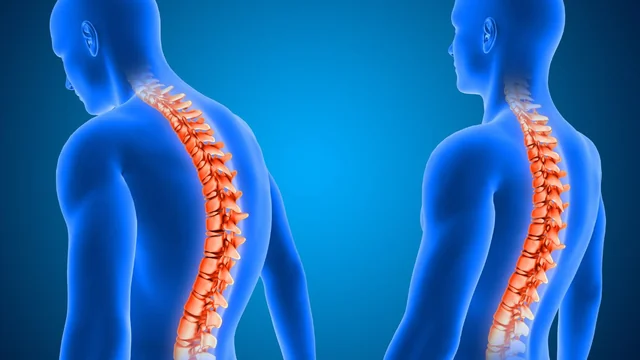
Spine Damage From Sitting: The Hidden Habit Hurting Young Professionals
As reported by Hindustan Times [LINK TO SOURCE], a seemingly harmless daily routine pushed a healthy 32-year-old man into a serious spinal crisis. His story is becoming increasingly common—and it signals a growing public health concern for anyone who spends long hours at a desk.
Key Facts: What Actually Happened
A spine specialist trained at AIIMS recently shared a case involving a young professional who developed a herniated disc without injury, gym accidents, or chronic illness.
His only real “risk factor”? Months of uninterrupted sitting with poor posture.
Here are the essentials:
-
Discomfort began as a mild lower-back strain.
-
Pain intensified and radiated down one leg—a classic nerve compression sign.
-
Sitting, walking, and even lying down became painful.
-
Doctors found a disc pressing against a spinal nerve, likely caused by sedentary work patterns.
According to the Mayo Clinic, a herniated disc occurs when the soft inner core of a spinal disc pushes out through a crack in the outer layer. One expert described the sensation as “a nerve under pressure that refuses to stay quiet.”
Why This Matters: The Bigger Trend We Can’t Ignore
This isn’t just one man's story—it’s a warning for an entire generation of desk-bound workers.
1. Sedentary behaviour is creating early-age spine issues
Orthopaedic clinics are seeing younger patients with disc degeneration traditionally found in individuals over 50. Remote and hybrid work have amplified long sitting hours, often without ergonomic awareness.
2. Early symptoms are too easy to dismiss
Many people treat lower-back strain as “normal” or temporary. But symptoms such as:
-
pain radiating down one leg,
-
tingling or numbness,
-
discomfort when bending or sitting,
should never be brushed aside. These signals indicate nerve involvement—not just muscle fatigue.
3. Fitness does not protect against posture-related spine damage
The patient in the reported case was active and relatively healthy. This highlights a critical truth:
Good overall fitness cannot counteract 8–12 hours of daily sitting without breaks.
4. The economic and lifestyle impact is huge
Chronic spine issues affect productivity, mobility, mental health, and quality of life. Once nerve irritation becomes chronic, recovery takes months and sometimes requires surgical intervention.
Practical Implications: What Readers Should Do Now
Avoiding posture-related spine damage doesn’t require extreme lifestyle changes—just consistency and awareness.
1. Follow the “30-3 Rule”
Every 30 minutes, stand or stretch for at least 3 minutes. Studies show this resets spinal load and boosts circulation.
2. Adopt ergonomic basics (these work even with minimal setup)
-
Keep screens at eye level
-
Sit with hips slightly above knee height
-
Use lumbar support or a small pillow
-
Keep feet flat, not tucked under your chair
3. Watch for red-flag symptoms
Seek medical attention if you notice:
-
persistent lower-back pain,
-
radiating leg pain,
-
numbness or tingling,
-
weakness in grip or balance.
4. Strengthen your “postural core”
This includes the deep abdominal muscles, glutes, and lower back stabilizers. Even 10 minutes of targeted exercises daily can reduce strain dramatically.
The Likely Future: More Cases Unless Work Habits Change
If current work patterns persist, early-age spine degeneration may become one of the most common musculoskeletal conditions globally. Workplaces and individuals must shift from reactive treatment to proactive prevention.
Conclusion: Protecting Your Spine Starts With a Small Daily Shift
Spine damage may sound like a severe diagnosis, but as this case shows, it often begins with quiet, easily ignored habits. Incorporating micro-breaks, correcting posture, and responding to early symptoms can prevent long-term issues.
If we want to protect our health in a desk-centric world, small actions must become daily rituals.
FAQ SECTION
Q: What is the earliest warning sign of spine damage from sitting too long?
A: The earliest warning sign is persistent lower-back discomfort that returns daily. When this pain begins radiating into the leg or causes tingling, it often indicates nerve irritation from a disc issue.
Q: Can spine damage occur even if I exercise regularly?
A: Yes. Regular exercise doesn’t offset long hours of poor posture or continuous sitting. You can be fit and still develop disc problems if your spine stays compressed for too many hours each day.
Q: When should I see a doctor for back pain?
A: Seek medical care if pain lasts more than a week, radiates to a limb, causes numbness, or affects walking or balance. These are signs of potential nerve compression that requires professional evaluation.