Sheet Music Decoded: Become a Music Maestro with These Simple Tips!
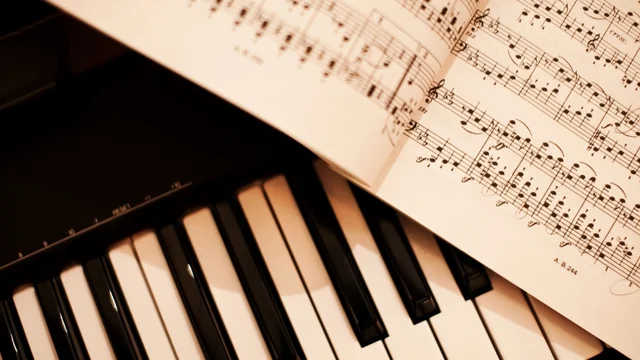
Hey there, aspiring musicians! If you've ever felt mystified by those squiggly lines and dots on a piece of paper, fear not! We're here to take the confusion out of sheet music and unlock the musical wonders hidden within. Whether you're a beginner or just need a refresher, this guide will help you read sheet music like a pro.
Understanding Musical Notation
Let's start with the basics. Sheet music is like the language of musicians, and to learn it, we need to understand its building blocks.
Staff Lines and Spaces
The staff is the foundation of sheet music. Think of it as a ladder, and the rungs are the lines and spaces where notes are placed. Remember when I was learning to play the piano, and I had this epiphany that the notes climb up the staff like little musical climbers? That made things so much clearer!
Clefs and Note Names
Now, each staff has a symbol at the beginning, and this tells us which notes to play. The most common ones are the treble clef (looks like a swirly 'G') and the bass clef (like a fancy backward 'C'). The treble clef is for higher pitches (usually for the right hand on piano), and the bass clef is for lower pitches (left hand on piano). But guess what? There are other clefs too! It's like a secret code for different instruments.
Rhythm and Time Signatures
Ah, rhythm—the heartbeat of music! Time signatures are like the musical clock, telling us how many beats are in each measure and what kind of note gets one beat. For example, 4/4 means there are four beats in a measure, and a quarter note gets one beat. It's like dancing to a catchy rhythm, but instead of your feet, you use your fingers!
Key Signatures and Scales
Alright, imagine you have a secret stash of notes—your treasure chest of scales! Key signatures tell you which notes are in that treasure chest. Major scales are like the happiest tunes, and minor scales have a touch of melancholy. Whenever the key signature changes in a piece, it's like embarking on a new musical adventure.
Dynamics, Articulations, and Expressions
You know how when you talk, your voice changes depending on your mood? That's what dynamics, articulations, and expressions are all about in music!
Dynamics
They tell you how loud or soft to play. Start with the basics: 'piano' means soft like a whisper, and 'forte' means loud like a lion's roar! And guess what? There's everything in between—mezzo-piano, mezzo-forte, pianissimo, fortissimo! It's like having a whole range of volumes to express yourself.
Articulations
Articulations add flavor to the notes. A staccato dot makes them short and bouncy, while a slur connects notes smoothly like a waterslide. And hey, did you know some composers even use fermatas to hold a note longer? It's like stretching a moment in time!
Expressions
They're like emojis for music! A crescendo is like a musical zoom-in, getting louder, and a diminuendo is the opposite, like a fade-out. Adding these expressions makes your performance come alive, just like when you tell a story with lots of emotions.
Sight-Reading Techniques
Sight-reading can feel like solving a musical puzzle on the spot, but fear not—it gets better with practice!
Tips for Sight-Reading
Start with easy pieces and gradually work your way up. I remember my first attempt at sight-reading was like trying to read a foreign language at lightning speed. But as I practiced more, it became easier to recognize patterns and predict the next notes.
Chords and Harmony
Now, let's dive into the world of chords and harmony!
Chords
Imagine chords as musical superheroes—when played together, they create a powerful sound! Chord symbols are like a cheat code to playing them. For example, C major is as simple as playing C, E, and G together. Once you know your chords, you can rock out with your favorite songs!
Interpretation and Musicality
As musicians, we're storytellers, and our interpretation brings the music to life.
Developing Musical Interpretation
When I play a piece, I imagine a story in my head. It could be a thrilling adventure, a heartwarming romance, or anything that fits the mood of the music. Then, I use dynamics, articulations, and expressions to convey that story to my audience.
Conclusion
Congratulations, you've unlocked the magic of sheet music! Remember, learning to read sheet music takes time and practice, but it's a journey filled with excitement and discovery. So keep playing, keep exploring, and let the music in your heart soar!
Now go out there and make some sweet music! Happy playing! 🎵🎶