SF Rents Surge 14% as AI Boom Turns San Francisco Into the Most Expensive City Again
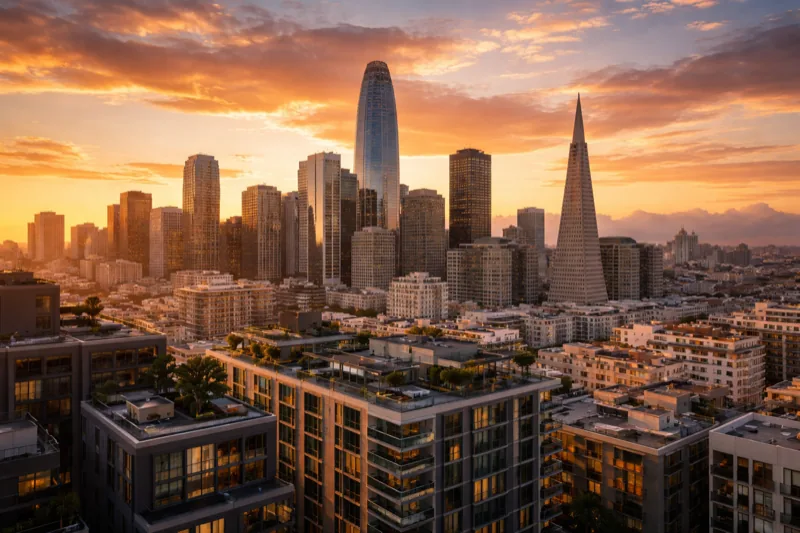
San Francisco's housing market is experiencing its most dramatic rebound in a decade, and AI is the driving force. According to Apartment List, rents in the city rose 14% year-over-year in February 2026 — the fastest growth rate of any major US city. The doom loop narrative is officially dead, replaced by a new problem: the AI boom is pricing everyone out.
Rents at Record Highs, Driven by AI Workers
A typical one-bedroom apartment in San Francisco now costs approximately $3,745 per month, up roughly 13-15% from last year. The vacancy rate has tightened to 4.5%, its lowest level in a decade, with only 2,300 units under construction — nowhere near enough to meet demand.
The driver is unmistakable: AI companies. Anthropic, OpenAI, and a constellation of AI startups have absorbed over 1 million square feet of office space in the San Francisco area, supercharging residential demand as employees flood the neighborhoods around the new "Cerebral Valley." The return-to-office movement, led by AI firms that insist on in-person collaboration, has turned the pandemic-era remote work exodus into a reverse stampede.
From Doom Loop to Boom Loop
Just two years ago, San Francisco was the poster child for urban decline. Office vacancies hit record highs, downtown was emptying out, and pundits declared the city finished. Now, the narrative has completely flipped. SF Standard tracks the reversal in real-time, and the data is striking: the city that was supposedly dying is now growing faster than anywhere else in America.
The irony is thick. The same tech industry that abandoned San Francisco during COVID — going remote and leaving behind empty offices and cratering tax revenue — is now flooding back in, this time powered by AI dollars, and driving up costs for everyone else who stayed.
Who Gets Hurt
The losers in this boom are familiar: service workers, teachers, healthcare workers, and anyone whose salary doesn't come with "AI" in the job title. Mission Local reports that longtime tenants are facing rent increases they can't absorb, and the competitive rental market has returned to the pre-pandemic dynamic of bidding wars and months-long apartment searches.
Developers say they need to build more, but construction can't keep pace with demand. The 2,300 units currently under construction will barely make a dent in a city that's adding AI workers by the thousands.
The Bottom Line
San Francisco's AI-driven rent surge is a microcosm of how the AI boom distributes its benefits unevenly. AI companies get prime office space. AI workers get six-figure salaries. Everyone else gets a 14% rent increase. The city went from doom loop to boom loop in record time, but the boom is only for those who can afford it. For everyone else, San Francisco just became unaffordable — again.