Senate Unanimously Passes COPPA 2.0 to Protect Kids' Data Online
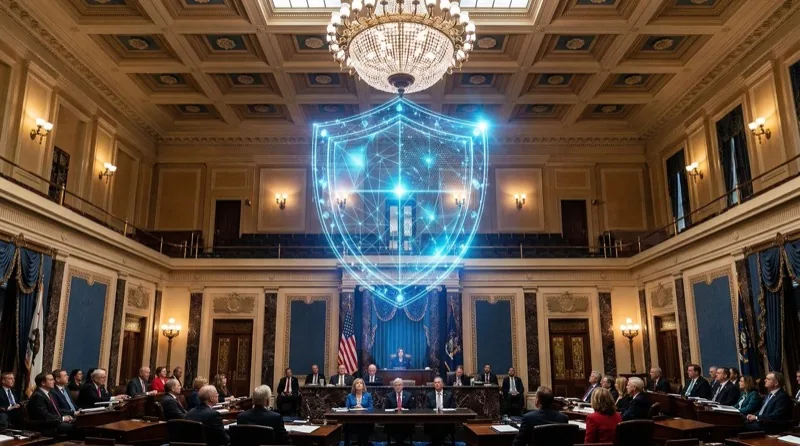
The U.S. Senate has unanimously passed COPPA 2.0, officially known as the Children and Teens' Online Privacy Protection Act. The bipartisan legislation aims to block platforms from collecting personal data from users under 17 without consent, marking a significant update to the original Children's Online Privacy Protection Act of 1998.
What COPPA 2.0 Actually Does
The updated law modernizes the original COPPA framework to address how the internet has changed over the past three decades. Key provisions include restrictions on targeted advertising directed at minors, requirements for parental consent before collecting data from children and teens, and new tools for parents and teens to control how their personal information is used online.
Senate Democratic Leader Chuck Schumer emphasized the significance: "This bill expands the current law protecting our kids online to ensure companies cannot collect personal information from anyone under the age of 17. This is a big step forward for protecting our kids."
The House Problem
Despite the Senate's unanimous support, COPPA 2.0 faces an uncertain future. Previous versions of the bill have consistently failed to pass the House of Representatives. Industry groups like NetChoice, whose members include Google, YouTube, Meta, Reddit, Discord, TikTok, and X, have previously opposed COPPA 2.0 and related measures like KOSA (the Kids Online Safety Act).
Schumer acknowledged this hurdle directly: "We hope the House can join us. They haven't thus far."
The Broader Privacy Push
The bill arrives amid a growing wave of legislation around minors' online activity. Several states including Utah, California, and Washington have already enacted laws requiring age verification for accessing mature content or using social media apps. Many of these state-level efforts have raised their own privacy concerns about how age verification data is stored and protected.
COPPA 2.0 takes a different approach by focusing on giving teens and parents tools to protect their data, rather than requiring adults to surrender personal information for age verification purposes. This distinction could help the bill navigate the privacy concerns that have complicated other legislative efforts.
The Bottom Line
The Senate unanimously agreeing on anything in 2026 is remarkable enough. But the real test is whether the House will act, or whether Big Tech's lobbying dollars will once again prove more persuasive than protecting children's privacy. The fact that this is the bill's third trip through the Senate without House action tells you everything you need to know about where Congress's priorities actually lie.