Samsung Quietly Raises US Prices on Galaxy S25, Z Flip 7, and Tab S11 Ultra by Up to $280
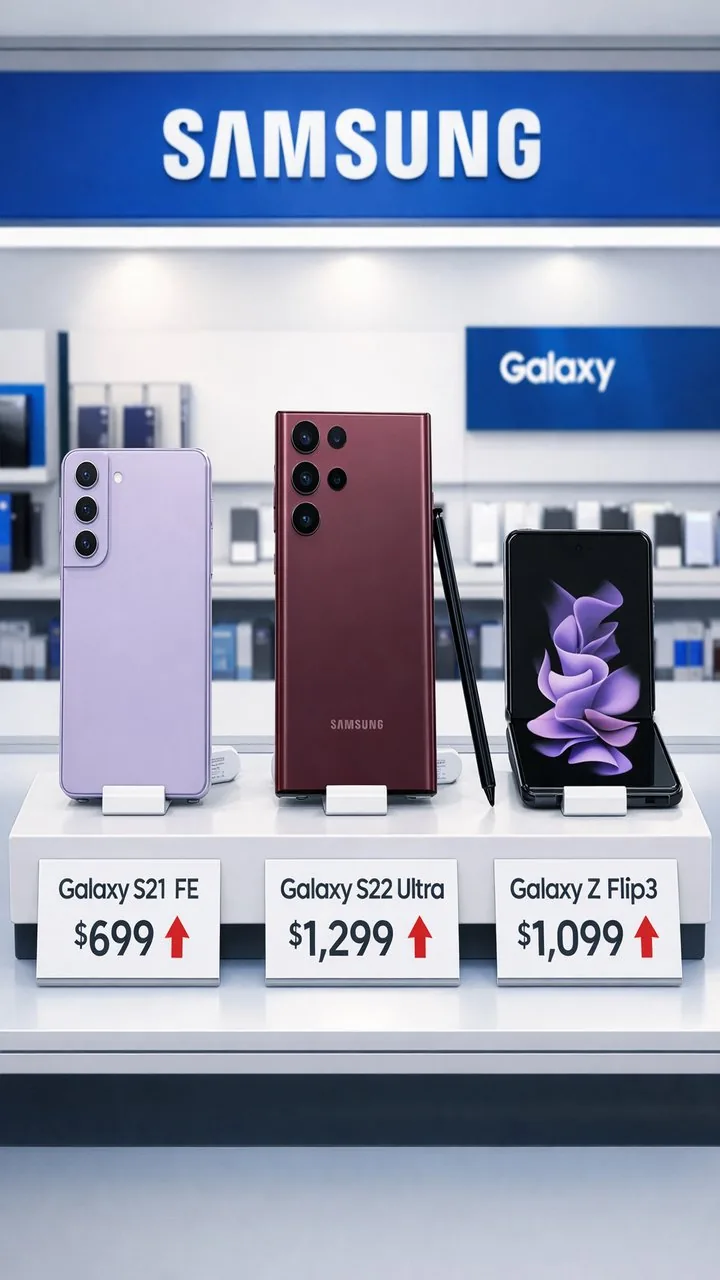
Samsung has quietly raised US prices across a wide range of its Galaxy devices, including the Galaxy S25 Edge, S25 FE, Z Flip 7, Tab S11, and Tab S11 Ultra — with some models jumping by as much as $280. The stealth price increases have caught consumers off guard, as Samsung made no formal announcement to accompany the changes.
Which Devices Got More Expensive?
The price hikes span Samsung's flagship and mid-range lineup. The Galaxy S25 Edge and S25 FE both saw increases, as did the foldable Z Flip 7. On the tablet side, the Tab S11 and Tab S11 Ultra received the steepest hikes — the 1TB Galaxy Tab S11 Ultra now costs $280 more than before. Samsung quietly updated its website pricing without issuing a press release or customer notification.
Why Is Samsung Raising Prices Now?
Samsung has not publicly explained the increases, but analysts point to several likely factors: rising memory and component costs driven by global DRAM and NAND supply constraints, increased logistics costs, and the impact of US tariffs on imported electronics. Microsoft similarly cited "higher memory and component costs" when raising Surface prices, suggesting these are industry-wide pressures rather than Samsung-specific decisions.
Consumers Left in the Dark
The lack of any official communication from Samsung has frustrated consumers and retail partners alike. Unlike Apple, which typically ties price changes to product launches, Samsung's silent price increase approach risks damaging consumer trust. Shoppers who researched a device at one price point may find a higher figure at checkout without understanding why. Retailers are also left scrambling to update their listings and promotional materials.
The Broader Trend of Hardware Price Inflation
Samsung's moves add to a growing pattern of premium device price inflation in 2026. With Microsoft raising Surface prices by up to $500, Apple holding premium pricing on iPhones, and component costs rising globally, consumers are facing a more expensive consumer electronics market across the board. Budget-conscious buyers may find mid-range Android alternatives increasingly attractive.
The Bottom Line
Samsung's quiet US price hikes on Galaxy S25, Z Flip 7, and Tab S11 devices reflect real cost pressures in the global semiconductor and hardware supply chain. While the increases are understandable from a business perspective, the lack of transparency is a misstep. Consumers deserve to know why they're being asked to pay more — especially for devices they were already planning to buy.