Sam Altman Compares AI Energy Costs to Raising Children
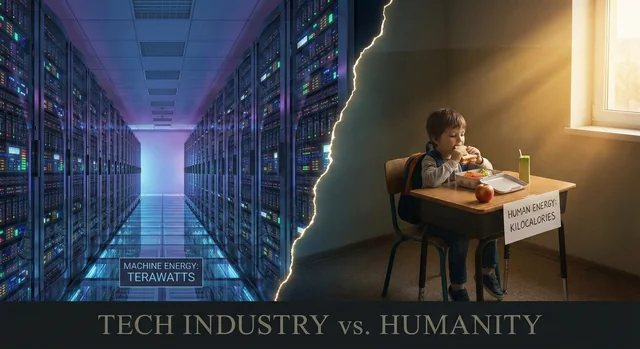
OpenAI CEO Sam Altman has found a new way to defend the massive energy consumption of artificial intelligence: comparing it to raising children. In a recent interview, Altman argued that training a human being over 20 years requires enormous amounts of energy too, making AI data centers seem reasonable by comparison.
The Human Energy Argument
Altman's comparison came during a discussion about the growing scrutiny over AI's environmental impact. Data centers powering large language models consume staggering amounts of electricity and water, and critics have increasingly questioned whether the benefits justify the environmental costs.
Rather than downplaying the energy use, Altman leaned into it. He suggested that if you account for all the energy a human consumes over two decades of development - food production, transportation, heating, education infrastructure - the comparison to training an AI model looks more favorable.
The Reality Check
Climate researchers and environmental advocates were quick to push back. The comparison glosses over a critical distinction: humans already exist and need to be sustained regardless, while AI data centers represent entirely new energy demand being added to an already strained power grid.
According to the International Energy Agency, data center electricity consumption is expected to double by 2030, with AI workloads driving much of that growth. Some estimates suggest that training a single large language model can emit as much carbon as five cars over their entire lifetimes.
A Pattern of Deflection
This is not the first time Altman has attempted to reframe the energy conversation. He has previously pointed to nuclear fusion and next-generation solar as eventual solutions, while pushing for more immediate investments in nuclear fission. OpenAI has also signed deals with energy companies to secure power for its expanding infrastructure.
The strategy appears to be acknowledging the problem while arguing that the benefits of AI will ultimately outweigh the environmental costs - a familiar playbook from the tech industry.
The Bottom Line
Comparing AI energy consumption to human existence is a creative rhetorical move, but it sidesteps the fundamental question: is this particular use of energy worth the trade-off? As AI companies race to build ever-larger models, that question is only going to become more pressing. The answer will likely depend on whether AI delivers on the transformative promises its creators keep making.