Robinhood’s Publicly Traded VC Fund Drops 15.8% in NYSE Debut — Investors Not Impressed
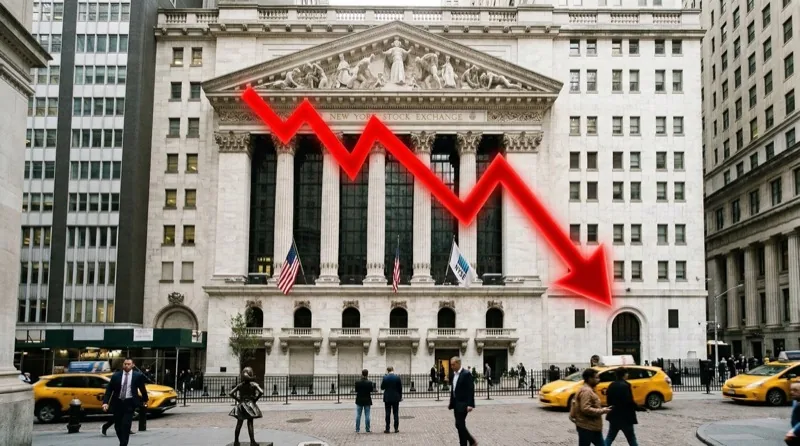
Robinhood Ventures, the company’s ambitious attempt to let retail investors buy into venture capital through a publicly traded fund on the New York Stock Exchange, dropped 15.8% on its very first day of trading. The fund, which had been marketed as a way for regular investors to access hot startups like OpenAI, instead gave them an immediate taste of what venture capital really feels like: losing money.
The Pitch
Robinhood’s idea was genuinely interesting. Venture capital has historically been restricted to wealthy individuals and institutional investors who can meet high minimums and lock up their money for years. Robinhood Ventures aimed to change that by packaging VC-style investments into a publicly traded fund that anyone with a brokerage account could buy and sell.
The fund is eyeing investments in OpenAI and other “highly valued” private companies — the kind of deals that retail investors have traditionally been locked out of. The pitch was compelling: Why should only rich people get to invest in the next OpenAI?
The Reality
The problem with democratizing venture capital is that you also democratize its risks. And those risks became immediately apparent when the fund debuted on the NYSE and promptly shed nearly 16% of its value.
Several factors contributed to the rough start:
- Valuation skepticism — Investors questioned whether the fund’s initial pricing accurately reflected the value of its target investments, many of which are in overheated private markets
- Structural concerns — Publicly traded VC funds face a fundamental challenge: venture capital works because money is locked up for 7-10 years. A publicly traded fund lets investors sell at any time, which changes the entire dynamics
- Market timing — Launching a fund focused on AI startups at the peak of AI hype, with tech stocks under pressure and layoffs accelerating, was questionable timing
- Robinhood’s reputation — The company still carries baggage from the GameStop/meme stock era, and some institutional investors view anything with the Robinhood name as inherently retail-oriented and risky
The OpenAI Paradox
The fund’s interest in OpenAI highlights a deeper irony. OpenAI was last valued at around $300 billion in private markets. At those valuations, even if OpenAI goes public at a premium, the upside for a fund buying in now is limited compared to investors who got in at earlier stages.
Meanwhile, OpenAI is simultaneously dealing with ChatGPT uninstalls surging 295% after its Pentagon deal, the Stargate data center expansion collapsing, and SoftBank trying to borrow $40 billion to invest more. Buying into OpenAI right now isn’t just expensive — it’s buying into a company at a moment of significant strategic uncertainty.
Why Publicly Traded VC Is Hard
The core problem with Robinhood Ventures isn’t the concept — it’s the execution. Traditional VC works because of three things public markets don’t offer:
- Patient capital — VC funds lock money up for a decade. That patience allows them to ride out downturns and wait for exits. Publicly traded investors panic-sell on any red day.
- Information asymmetry — Top VC firms have access to deal flow, due diligence, and founder relationships that a public fund can’t replicate
- Illiquidity premium — VC returns partly come from being willing to accept illiquidity. A publicly traded fund eliminates that premium.
You end up with the worst of both worlds: the high valuations and long timelines of venture capital, combined with the daily mark-to-market volatility and emotional selling of public markets.
The Bottom Line
Robinhood Ventures wanted to democratize access to venture capital. On day one, it democratized the experience of watching your VC investment lose 15.8% of its value before you’ve even figured out what the fund owns.
The idea of giving retail investors access to pre-IPO companies isn’t inherently bad. But packaging it as a publicly traded fund with daily liquidity is trying to put a square peg in a round hole. Venture capital requires patience that public market investors famously don’t have — and a 15.8% first-day loss is the market’s way of saying it figured that out faster than Robinhood did.