Robinhood Q1 Crypto Revenue Falls 50% YoY as Coinbase One and Solana Apps Take Share
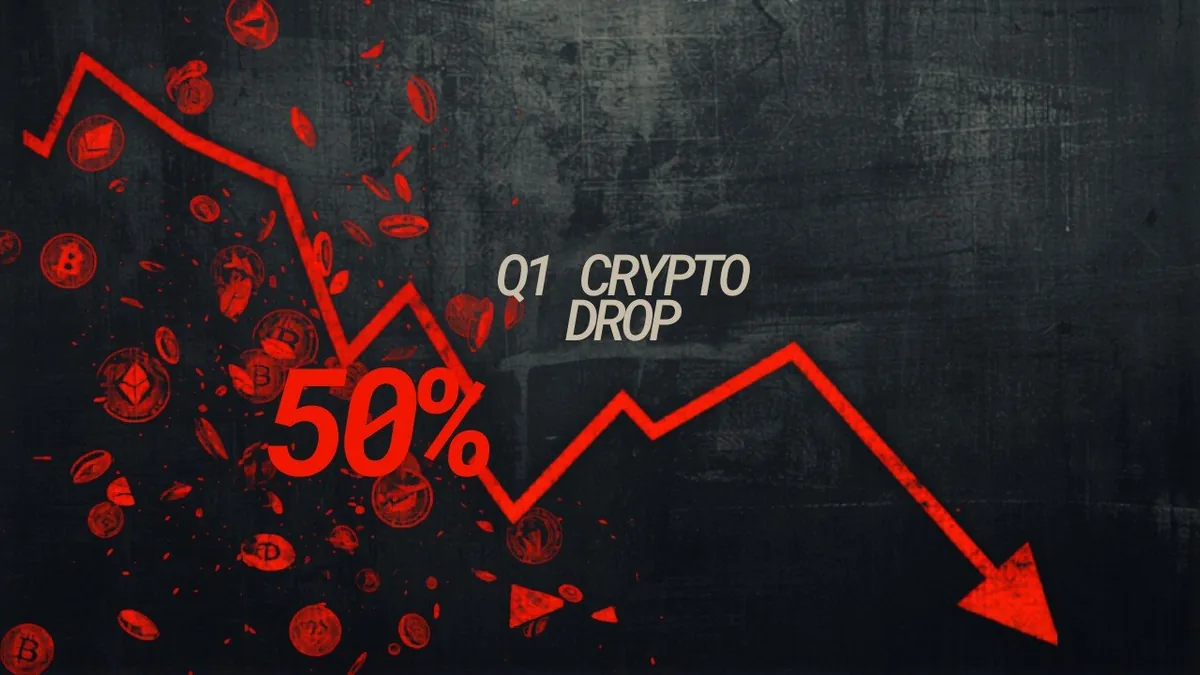
Robinhood reported Q1 2026 results Tuesday, and the headline is the one nobody wanted to write about: crypto revenue fell 50% year-over-year, dragging the consumer trading app's overall earnings to a soft beat that masked a deteriorating mix. Total revenue $688M (vs. $652M consensus), but crypto specifically: $138M, down from $278M in Q1 2025.
The drop is bigger than industry-wide retail crypto activity would predict — Coinbase's Q1 retail volume fell ~30% over the same period — suggesting Robinhood is losing share, not just riding a market down-cycle. Vlad Tenev attributed the gap to "competitive pricing dynamics" on the call, which is investor-speak for: we charge more than the people we're losing customers to.
Where the crypto revenue actually went
Two specific competitors took the volume Robinhood used to own. Coinbase's "Coinbase One" subscription, which eliminates trading fees for $30/month, has reportedly crossed 4 million paying subscribers — many of them ex-Robinhood users who calculated they'd save money on >$5K/month in volume. The second leak is to Solana-native apps: Phantom, Jupiter, and Pump.fun's revenue lines all imply they're absorbing aggressive retail volume, particularly memecoin trading, which Robinhood doesn't list.
The third drain is more structural: institutional crypto desks. Galaxy Digital, Cumberland, and Wintermute now offer prime services with retail-friendly UIs. Anyone trading >$50K/month is increasingly leaving Robinhood for tighter spreads.
What Robinhood's response actually is
The earnings release framed two responses. First: a Q3-2026 launch of "Robinhood Pro Trading" with subscription pricing matching Coinbase One. Second: a partnership with Phantom to support Solana memecoin trading inside the Robinhood app — though the fine print suggests this is a routing arrangement rather than direct on-chain custody. Neither addresses the institutional volume leak.
The cynical read: Robinhood is following Coinbase's playbook 18 months late, while Coinbase has already moved upstream to enterprise infrastructure (Base L2, USDC partnership with Stripe). Robinhood is fighting yesterday's war.
The non-crypto picture is actually fine
Equities revenue is up 28% YoY, options up 35%, futures (a new product) at $42M. The crypto miss is less than a third of total revenue. That's why the stock didn't crater — Robinhood is becoming a normal brokerage, just with a crypto button. The problem is their valuation premium has always been pinned to crypto upside.
If Q2 shows the same crypto deceleration without offsetting equities strength, the multiple is going to compress. Wells Fargo and Citi already downgraded HOOD to Hold post-print.
My Take
Robinhood missed the boat on the most important crypto retail trend of the last two years — the migration from CEX-style centralized order books to wallet-native decentralized trading. Coinbase saw this and built Base. Robinhood saw it and built nothing. The Phantom partnership is essentially a white-flag acknowledgment: we cannot do this ourselves anymore. The 50% crypto revenue drop is not the bottom — it's the trailing indicator of an underlying mix shift that's still happening. Q2 will be worse before it gets better. The stock is fine for now because equities is genuinely strong, but the company's narrative as a "crypto-native consumer brand" is essentially dead.
FAQ
Is Robinhood losing money on crypto? No. Crypto trading is still a profitable line — just smaller. The question is growth, not viability.
What about HOOD shareholders? Stock is roughly flat post-earnings. The market priced in some crypto weakness; the surprise is the magnitude.
Could Robinhood acquire its way into Solana? Possibly. Phantom is reportedly entertaining strategic conversations, but Robinhood's market cap may not support a Phantom-scale acquisition at current valuations.
The Bottom Line
Robinhood's Q1 reads as a normal brokerage with a struggling crypto unit — which is the opposite of how the company has positioned itself for five years. Either the equities business carries the next 18 months of growth, or HOOD has a multiple-compression problem the market hasn't priced in yet.