RFP (Request for Proposal): Complete Guide + Best Software 2025
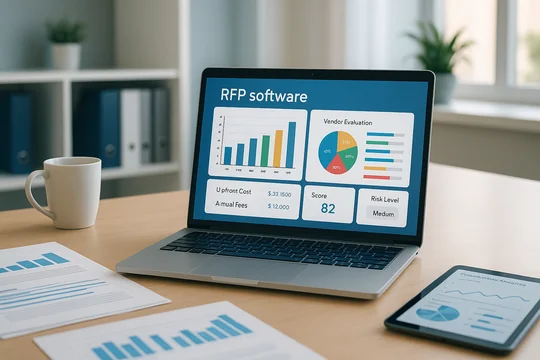
What is an RFP (Request for Proposal)?
A Request for Proposal (RFP) is a formal business document that organizations use to solicit bids from potential vendors, contractors, or service providers for specific projects or services. Think of it as a detailed invitation that outlines exactly what you need, when you need it, and how vendors should respond with their proposed solutions.
In 2025, RFPs have evolved beyond simple procurement tools to become strategic documents that drive digital transformation, sustainability initiatives, and competitive advantage. Modern RFPs often include requirements for AI capabilities, cloud integration, cybersecurity standards, and environmental compliance that weren't priorities just a few years ago.
The RFP process serves multiple purposes: it ensures fair competition among vendors, provides a standardized way to compare proposals, creates transparency in procurement decisions, and helps organizations make data-driven choices about significant investments.
You might also be interested in Best Construction Estimating Software: Your Complete Guide to Accurate Project Bidding in 2025.
Types of RFx Documents: Understanding the Differences
Before diving into RFP specifics, it's crucial to understand the broader family of "RFx" documents. Each serves a distinct purpose in the procurement process:
RFP vs RFI vs RFQ vs RFA: Complete Breakdown
| Document Type | Purpose | When to Use | Expected Response |
|---|---|---|---|
| RFP (Request for Proposal) | Solicit comprehensive solutions for complex projects | When you need creative solutions, multiple approaches, or custom services | Detailed proposals with methodology, pricing, and implementation plans |
| RFI (Request for Information) | Gather general information about vendors and capabilities | Early research phase, market exploration, or vendor qualification | Company profiles, capabilities overview, case studies |
| RFQ (Request for Quote) | Obtain pricing for specific, well-defined products or services | When requirements are clear and you primarily need price comparison | Itemized pricing, delivery terms, basic specifications |
| RFA (Request for Applications) | Invite applications for grants, partnerships, or programs | Non-profit initiatives, government programs, or collaborative projects | Applications with qualifications, project plans, and impact statements |
Key Components of an Effective RFP
A well-structured RFP in 2025 must balance comprehensive requirements with clarity and accessibility. Here are the essential components:
1. Executive Summary and Project Overview
Start with a clear, concise overview of your organization, the project's strategic importance, and desired outcomes. This section should immediately communicate the project's value and scope to potential vendors.
2. Detailed Scope of Work
Define exactly what needs to be accomplished, including deliverables, performance standards, and success metrics. In 2025, this often includes digital transformation goals, sustainability targets, and integration requirements with existing technology stacks.
3. Budget Parameters and Pricing Structure
While you don't need to reveal your exact budget, provide realistic parameters to help vendors propose appropriate solutions. Include preferred pricing models (fixed-price, time-and-materials, subscription-based) and payment terms.
4. Timeline and Milestones
Clearly outline the RFP timeline, project start date, key milestones, and final completion date. Build in realistic timeframes that account for current market conditions and resource availability.
5. Selection Criteria and Evaluation Process
Transparently communicate how proposals will be evaluated, including weighted criteria such as technical capability (40%), cost (30%), experience (20%), and cultural fit (10%). This helps vendors tailor their responses effectively.
6. Submission Requirements and Format
Specify exactly how vendors should structure their responses, required documents, file formats, and submission methods. Many organizations now require digital submissions through RFP software platforms.
How to Write an RFP: Step-by-Step Guide for 2025
Step 1: Define Your Objectives and Requirements
Before writing a single word, conduct internal stakeholder interviews to clearly understand project goals, constraints, and success criteria. Create a requirements matrix that distinguishes between must-have and nice-to-have features.
Step 2: Research the Market and Potential Vendors
Conduct preliminary market research to understand current solutions, pricing ranges, and vendor capabilities. This helps you write more realistic requirements and identify potential bidders.
Step 3: Assemble Your RFP Team
Include representatives from procurement, legal, finance, IT, and end-user departments. Assign clear roles for writing, reviewing, and managing the RFP process.
Step 4: Create a Detailed Project Timeline
Work backward from your desired project completion date, allowing adequate time for vendor responses, evaluation, negotiations, and contract finalization.
Step 5: Write Clear, Specific Requirements
Use precise language and avoid jargon. Structure requirements logically and number them for easy reference. Include technical specifications, compliance requirements, and performance standards.
Step 6: Review and Refine
Have multiple stakeholders review the RFP for clarity, completeness, and accuracy. Consider conducting a pre-RFP vendor briefing to gather feedback on requirements.
Step 7: Distribute and Manage Responses
Use RFP software to distribute the RFP, track vendor questions, and manage the entire response process. Maintain clear communication and provide equal access to information for all vendors.
Benefits of Using RFPs in Modern Procurement
Enhanced Transparency and Fairness
RFPs create a level playing field where all vendors receive the same information and requirements. This transparency reduces bias in vendor selection and helps ensure ethical procurement practices.
Better Risk Management
The formal RFP process helps identify potential risks early, from vendor financial stability to technical implementation challenges. This allows for better risk mitigation strategies and more informed decision-making.
Learn more in our article about Improve Excel Skills To Do Smart Work Through This Microsoft Training Program.
Cost Optimization
Competitive bidding through RFPs typically results in better pricing and value propositions. Vendors know they're competing and often provide their most competitive offers.
Improved Vendor Relationships
Clear communication of expectations and requirements leads to better vendor relationships and project outcomes. Vendors appreciate transparency and detailed requirements that help them propose appropriate solutions.
Compliance and Audit Trail
RFPs create documented decision-making processes that support regulatory compliance and provide clear audit trails for procurement decisions.
Best RFP Software Solutions for 2025
The RFP software market has matured significantly, with platforms now offering AI-powered analytics, automated vendor matching, and integrated contract management. Here are the leading solutions:
Bonfire - Best for Government and Public Sector
Bonfire continues to dominate the public sector RFP market with its compliance-focused features and transparent bidding processes. The platform excels in managing complex government procurement requirements and provides robust audit trails.
Key Features:
- Advanced compliance tracking and reporting
- Automated vendor qualification and scoring
- Integration with government procurement databases
- Real-time collaboration tools for evaluation teams
- Mobile-responsive vendor portal
2025 Pricing: Starting at $500/month for basic plans, with enterprise solutions ranging from $2,000-$5,000/month depending on user count and features.
SAP Ariba - Enterprise Procurement Leader
SAP Ariba remains the gold standard for large enterprises, offering comprehensive procurement suite integration and global vendor network access. The platform's AI capabilities have significantly improved in 2025.
Key Features:
- Access to over 5 million suppliers worldwide
- AI-powered spend analysis and vendor recommendations
- Seamless ERP integration across SAP ecosystem
- Advanced contract lifecycle management
- Sustainability and diversity supplier tracking
2025 Pricing: Typically $50,000-$200,000+ annually for enterprise implementations, with per-transaction fees for supplier network access.
Related: The best project management software list created by experts.
Oracle Procurement Cloud - Comprehensive Suite Solution
Oracle offers a complete procurement platform that integrates seamlessly with Oracle's broader business applications suite. The 2025 version includes enhanced AI and machine learning capabilities.
Key Features:
- End-to-end procurement process automation
- Advanced analytics and predictive insights
- Global compliance and regulatory support
- Supplier risk management and monitoring
- Mobile procurement capabilities
2025 Pricing: Subscription-based pricing starting around $35-$50 per user per month, with enterprise discounts available for large deployments.
Coupa - User-Friendly Cloud Platform
Coupa has gained significant market share with its intuitive interface and comprehensive spend management capabilities. The platform emphasizes user experience and rapid deployment.
Key Features:
- Intuitive, consumer-grade user interface
- Comprehensive spend management and analytics
- Supplier collaboration and performance tracking
- Automated approval workflows
- Real-time budget and spend visibility
2025 Pricing: Typically ranges from $25-$75 per user per month, depending on modules and features selected.
Ivalua - Highly Configurable Platform
Ivalua stands out for its flexibility and configurability, making it ideal for organizations with unique procurement processes or complex requirements.
Key Features:
- Highly configurable workflow engine
- Advanced supplier management capabilities
- Comprehensive risk and compliance tracking
- Multi-language and multi-currency support
- Integrated contract and spend management
2025 Pricing: Custom pricing based on requirements, typically starting around $40,000 annually for mid-market implementations.
Jaggaer - AI-Powered Procurement
Jaggaer has invested heavily in AI and automation, offering sophisticated analytics and predictive capabilities for procurement teams.
You might also be interested in 5 Best Software Modernization Providers.
Key Features:
- AI-powered vendor matching and recommendations
- Automated RFP creation and distribution
- Advanced spend analytics and insights
- Comprehensive supplier lifecycle management
- Integration with major ERP systems
2025 Pricing: Subscription-based model starting around $30-$60 per user per month, with enterprise packages available.
Zycus - Source-to-Pay Excellence
Zycus offers a complete source-to-pay suite with particular strength in sourcing and supplier management capabilities.
Key Features:
- Complete source-to-pay automation
- Advanced e-sourcing and auction capabilities
- Comprehensive supplier performance management
- AI-powered spend classification
- Risk management and compliance tracking
2025 Pricing: Typically $25-$50 per user per month, with volume discounts for larger implementations.
GEP SMART - Unified Procurement Platform
GEP SMART provides a unified platform that combines procurement, supply chain, and financial management capabilities with strong analytics.
Key Features:
- Unified procurement and supply chain management
- Advanced analytics and reporting dashboard
- Comprehensive supplier network access
- Mobile-first design and functionality
- Integration with major business systems
2025 Pricing: Custom pricing model based on modules and user count, typically starting around $35,000 annually for mid-market solutions.
Frequently Asked Questions (FAQ)
What does RFP stand for?
RFP stands for "Request for Proposal." It's a formal business document that organizations use to solicit bids from vendors, contractors, or service providers for specific projects or services. The RFP outlines project requirements, timelines, and evaluation criteria to help vendors submit comprehensive proposals.
What is the difference between RFP and RFQ?
The main difference lies in complexity and purpose. An RFP (Request for Proposal) is used for complex projects requiring creative solutions, detailed methodologies, and comprehensive proposals. An RFQ (Request for Quote) is used when you have well-defined requirements and primarily need pricing information for specific products or services.
How long does the RFP process take?
The typical RFP process takes 8-16 weeks from initial planning to contract signing. This includes 2-3 weeks for RFP preparation, 3-4 weeks for vendor responses, 2-3 weeks for evaluation, 1-2 weeks for negotiations, and 1-2 weeks for contract finalization. Complex projects may take longer.
Who uses RFPs?
RFPs are used by government agencies, corporations, non-profit organizations, educational institutions, and healthcare systems. Any organization making significant purchases or seeking services typically uses RFPs to ensure fair competition, transparency, and optimal value.
Do I need RFP software for small projects?
While not mandatory for small projects, RFP software can provide value even for smaller procurements by improving organization, creating audit trails, and streamlining vendor communication. Many modern solutions offer scalable pricing that makes them accessible for projects of all sizes.
What should be included in an RFP timeline?
A comprehensive RFP timeline should include: RFP publication date, vendor question deadline, response submission deadline, evaluation period, vendor presentations (if applicable), final decision date, contract negotiation period, and project start date. Allow adequate time for each phase to avoid rushed decisions.
How many vendors should I invite to respond to an RFP?
The optimal number is typically 3-7 qualified vendors. Too few vendors limit competition and options, while too many can overwhelm your evaluation process. Focus on pre-qualifying vendors to ensure all invited participants can realistically deliver your requirements.
Can I modify an RFP after it's been published?
Yes, but modifications should be communicated equally to all vendors through formal addendums. Significant changes may require extending the response deadline to give vendors adequate time to adjust their proposals. Document all changes clearly to maintain transparency.
What are common RFP mistakes to avoid?
Common mistakes include: unclear or overly complex requirements, unrealistic timelines, inadequate budget parameters, poor communication with vendors, biased evaluation criteria, and insufficient stakeholder involvement. Taking time to plan thoroughly and review carefully helps avoid these pitfalls.
See also: Top project management software.
How do I evaluate RFP responses effectively?
Use a structured evaluation matrix with weighted criteria established before receiving proposals. Involve multiple stakeholders in the evaluation process, document decisions clearly, and consider conducting vendor presentations for top candidates. Focus on value rather than just price, considering long-term partnership potential and total cost of ownership.