Raspberry Pi Price Hikes Hit Hard as RAM Shortage Squeezes Makers
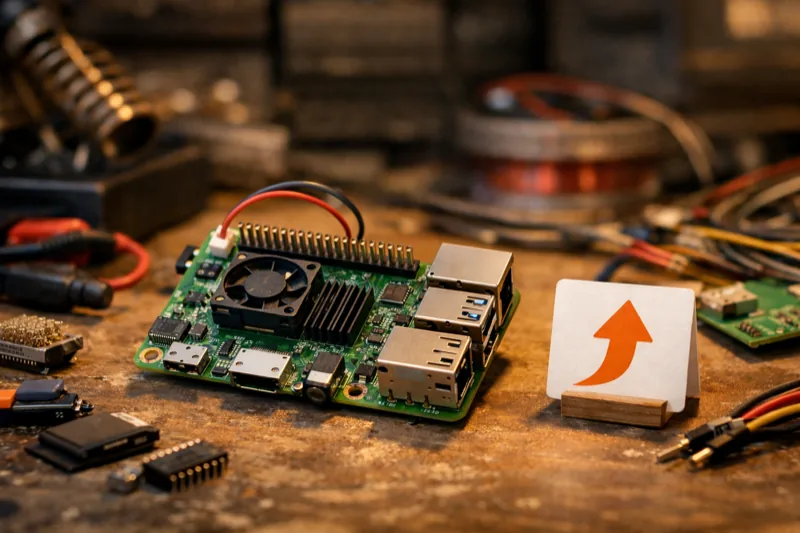
Raspberry Pi has announced its steepest price increases yet, with hikes ranging from $11.25 to a staggering $150 across its product lineup. The flagship Raspberry Pi 5 with 16GB of RAM now costs $220 — nearly double its original $120 price tag. The culprit? A global RAM shortage driven largely by insatiable demand from AI data centers.
The Numbers Tell a Grim Story
This marks the third round of price increases since December 2025. Raspberry Pi CEO Eben Upton addressed the situation in a blog post, acknowledging the pain while promising these hikes are temporary. "The circumstances in which we find ourselves are challenging, but in the future they will abate," Upton wrote. "When they do, we will reverse our price increases."
Models with 4GB or more of memory have been hit the hardest, which makes sense given that DRAM prices have surged across the board. The AI industry's ravenous appetite for high-bandwidth memory has created a ripple effect that now reaches all the way down to hobbyist single-board computers.
A New Budget Option Emerges
In what appears to be a strategic concession, Raspberry Pi simultaneously launched a new 3GB variant of the Raspberry Pi 4, priced at $83.75. It is a clear attempt to offer makers and educators an affordable entry point while the memory market remains volatile. Upton was quick to note that despite the April 1st timing, "our new computer is as real as the rest of our products."
AI's Collateral Damage
The irony is thick here. The same AI revolution that has spawned countless hobbyist projects running on Raspberry Pi boards is now pricing those very boards out of reach for many enthusiasts. Companies like NVIDIA, Google, and Microsoft are hoovering up memory chips for their AI training clusters, leaving consumer and embedded markets to fight over what remains.
For the maker community, this is more than an inconvenience — it threatens the very accessibility that made Raspberry Pi a household name in education and DIY computing. A $220 single-board computer is no longer the democratizing force it once was.
The Bottom Line
Raspberry Pi's price hikes are a symptom of a much larger problem. Until AI infrastructure build-out slows down or memory manufacturers dramatically increase production capacity, expect these pressures to persist. The question is whether Raspberry Pi's loyal community can weather the storm, or whether cheaper alternatives from the likes of Orange Pi and Radxa will start eating into its market share. For now, that new 3GB Pi 4 at $83.75 might be the best deal hobbyists can hope for.