Rad Power Bikes Bankruptcy: What It Means for E-Bike Buyers
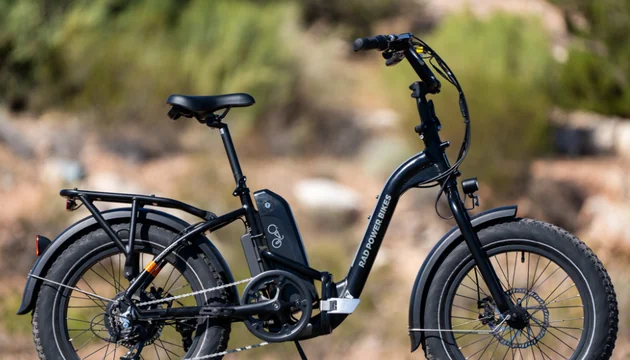
Rad Power Bikes Bankruptcy Signals an E-Bike Industry Reset
As reported by TechCrunch Rad Power Bikes decision to file for Chapter 11 bankruptcy isn’t just a company-specific setback—it’s a signal that the electric bike industry is entering a more mature, less forgiving phase. For riders, retailers, and mobility startups, this moment raises important questions about what comes next.
Key Facts: What Happened to Rad Power Bikes?
Rad Power Bikes, once one of the most recognizable names in electric bikes, filed for Chapter 11 bankruptcy protection in early December 2024. The company plans to keep operating during the process while actively seeking a buyer within the next 45 to 60 days.
According to company statements, the goal is to preserve the business and protect relationships with customers, suppliers, and partners. Financial filings show approximately $32 million in assets against $73 million in liabilities, including more than $8 million owed in disputed U.S. import tariffs.
This filing followed months of internal turmoil, failed funding talks, leadership changes, and increased scrutiny over battery safety concerns raised by the Consumer Product Safety Commission.
Why Rad Power Bikes Bankruptcy Matters Beyond One Brand
The Rad Power Bikes bankruptcy reflects a broader electric bike industry downturn following pandemic-era hype. During COVID, demand for e-bikes surged as consumers avoided public transit and embraced alternative mobility. Many companies scaled aggressively, assuming that growth would continue indefinitely.
That assumption proved risky.
As demand normalized, high operating costs, inventory challenges, and global trade pressures exposed fragile business models. Rad’s struggle mirrors what happened to other once-hyped brands like VanMoof and Cake, both of which survived only after court-led restructurings and new ownership.
For the industry, this moment marks a transition from rapid expansion to consolidation—where only brands with sustainable margins, strong retail partnerships, and reliable after-sales support are likely to survive.
The Strategic Shift That Came Too Late
Earlier this year, Rad Power Bikes appointed turnaround specialist Kathi Lentzsch as CEO and announced a shift away from a direct-to-consumer model toward a retail-focused strategy. The move aimed to improve customer experience, reduce logistics complexity, and strengthen local service networks.
“This shift creates new opportunities to reach more riders,” Lentzsch said at the time.
While strategically sound, the pivot may have come too late. Retail transitions are capital-intensive and slow to deliver returns—especially when layered on top of layoffs, leadership changes, and regulatory challenges.
This highlights a hard truth for mobility startups: operational discipline matters as much as product innovation.
Practical Implications for Riders, Retailers, and Investors
The Rad Power Bikes bankruptcy doesn’t mean e-bikes are going away—but it does change how stakeholders should think about the market.
For consumers:
-
Prioritize brands with strong service networks and long-term support.
-
Consider battery safety records and recall transparency.
-
Expect fewer ultra-low-cost options as pricing stabilizes.
For retailers:
-
Consolidation may reduce brand variety but improve reliability.
-
Partnering with financially stable manufacturers will matter more than brand hype.
For founders and investors:
-
Growth-at-all-costs models are out.
-
Regulatory exposure, especially tariffs and safety compliance, must be priced into strategy.
-
Sustainable unit economics now outweigh market share grabs.
What Comes Next for Rad and the E-Bike Market?
Rad Power Bikes is actively seeking a buyer, and history suggests survival is possible. Brands like VanMoof emerged leaner after restructuring, proving that demand for quality e-bikes still exists.
The likely outcome is a smaller, more focused Rad—either under new ownership or as part of a larger mobility group. For the wider market, expect fewer startups, more disciplined growth, and increased emphasis on reliability over novelty.
In that sense, the Rad Power Bikes bankruptcy may ultimately strengthen the industry by forcing a long-overdue reset.