Police Committing Sexual Offences on the Rise
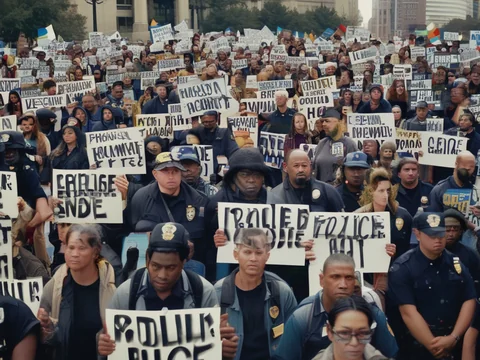
The relationship between law enforcement and the communities they serve is built on a foundation of trust, respect, and accountability. However, recent incidents have negatively affected this relationship, leading to a significant spike in police complaint claims related to sexual misconduct.
The Surge in Sexual Misconduct Cases
In recent years, there has been a disturbing upward trend in reports of sexual offences involving police officers. According to an article from The Independent, incidents of police sexual misconduct have reached 293 instances last year, drawing widespread concern and scrutiny. This has tarnished law enforcement agencies' reputations and increased the public's distrust of those sworn to protect and serve.
Of the 293 reports, 200 cases were of sexual assault, 20 were of sexual harassment, and 65 were classified as other forms of sexual misconduct across the police forces of England and Wales. In comparison, back in 2021, when the Everard case spotlighted police corruption, the Independent Office for Police Conduct (IOPC) received 199 complaints about officers' sexual misconduct. Among these, Metropolitan Police officer Wayne Couzens, who kidnapped and eventually killed Everard, was implicated. Couzens' ability to exploit his position of authority to commit such a crime has highlighted serious gaps in the vetting and oversight of police officers.
Last year saw 24 complaints made against police and staff of Thames Valley Police, and 15 reports made against both Greater Manchester and Nottinghamshire Police. The West Midlands received 11 complaints, and another 10 were lodged against Essex Police. There were also 74 additional complaints of police using their power for sexual purposes.
Another case that shocked the nation was that of David Carrick, an officer with a history of sexual misconduct allegations, who was eventually convicted of multiple counts of sexual assault. Carrick's case raised questions about the efficacy of internal mechanisms in addressing police misconduct and the systemic failures that allowed such behaviour to persist unchecked.
These cases, among others, have catalysed public outcry and demands for accountability and reform within police departments. The need for transparent investigations, stringent disciplinary measures, and robust support systems for victims has never been more urgent.
Taking Action
Seeking justice for police misconduct victims is a challenging journey. However, there are legal options available for those considering suing the police. It typically starts with filing a formal complaint against the police, reporting misconduct to the relevant oversight body or internal affairs unit.
If internal investigations don't provide satisfactory outcomes, victims may opt to sue the police for damages through civil courts. Legal representation is essential in this process to protect victims' rights and navigate complexities.
In some instances, pursuing criminal charges against the officers involved is an option. While this can lead to harsher penalties, it requires substantial evidence and can be emotionally draining for victims.
Suing the police for compensation serves as a form of redress and acknowledgment of the pain inflicted upon victims. It also acts as a deterrent to prevent future misconduct by holding law enforcement accountable for their actions.
Civil rights activists play a pivotal role in advocating for victims of police misconduct and pushing for systemic change within law enforcement agencies. Organisations dedicated to supporting victims provide essential resources, including legal advice, emotional support, and advocacy services.
Activist groups also work tirelessly to hold police departments accountable, lobbying for policy changes, increased transparency, and independent oversight mechanisms. These efforts are crucial in ensuring that victims' voices are heard, and meaningful reforms are implemented to prevent future instances of misconduct.
Restoring Trust in Law Enforcement
Restoring trust in law enforcement demands a united effort from all involved. Police departments must focus on transparency, accountability, and integrity. This entails instituting robust training programs that highlight ethical behaviour, bias recognition, and respect of human rights.
Whistleblowers within the police force can be instrumental in exposing misconduct and prompting change. However, they often face significant risks, including retaliation and career repercussions. Strengthening whistleblower protections is vital to encourage more officers to come forward with information about their colleagues' misconduct.
Policy changes that protect whistleblowers can ensure that those who speak out are not punished for their bravery. This can help create a culture of accountability within the police force, where officers are encouraged to report wrongdoing without fear of retribution.
Community involvement is key to regaining trust. Law enforcement agencies should engage community members in conversations about police procedures and rules. Facilitating dialogue and cooperation can help bridge the divide between law enforcement and the communities they protect.
A Call for Accountability and Reform
The rise in police sexual offences is a stark reminder of the urgent need for accountability and reform within law enforcement agencies. The impact on victims and communities is profound, and the decreasing trust in the police has far-reaching consequences.
Taking action against the police, whether through legal recourse or advocacy, is essential in seeking justice for victims and driving systemic change. Visit Policecomplaint.co.uk today for more information on filing a police complaint claim.