People Loved the Dot-Com Boom. The A.I. Boom, Not So Much
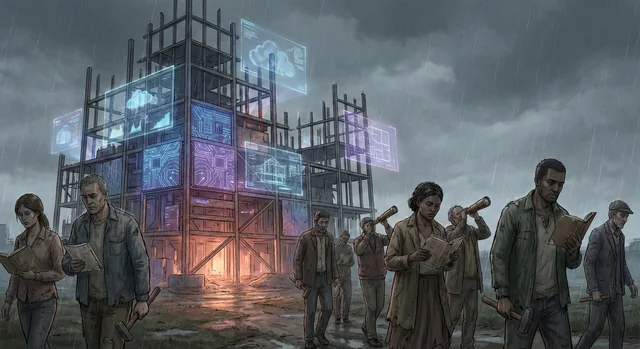
The AI Boom Meets Reality: Why the Public is Skeptical
Silicon Valley executives have been promising that artificial intelligence will radically change everyone’s life for the better, often comparing it to the discovery of fire or the invention of electricity. However, unlike the dot-com boom of the late 90s, the general public seems far less enthusiastic about this latest technological revolution.
Recent surveys highlight a significant gap between tech industry hype and public perception. According to a You.gov survey, more than a third of respondents are concerned that AI could end human life on earth. Furthermore, a poll by the National Bureau of Economic Research revealed that 80% of firms reported AI has had no impact on their productivity or employment levels yet.
Slow Adoption and Narrative Battles
Even the chief salesman of the AI boom, Sam Altman of OpenAI, has expressed surprise at the slow "diffusion and absorption" of AI into the culture and economy. "Looking at what’s possible, it does feel sort of surprisingly slow," Altman remarked at a recent conference.
Jensen Huang, CEO of Nvidia, also shared his concerns, suggesting that the "battle of narratives" is currently being won by the critics. While the tech industry continues to push for rapid integration, the public"s response remains characterized by caution and, in many cases, outright skepticism.
Conclusion: A Bursting Bubble?
As tech leaders scramble to remake the world with AI, they are finding that remaking public opinion is a much harder task. The underwhelming enthusiasm from the "masses" raises important questions about the long-term sustainability of the current AI hype. If the productivity gains don"t materialize and public trust remains low, the AI boom may find itself facing a reality check sooner than expected.