OpenAI's Sam Altman Proposes UBI and 4-Day Work Week While Supporting Parties That Cut Welfare
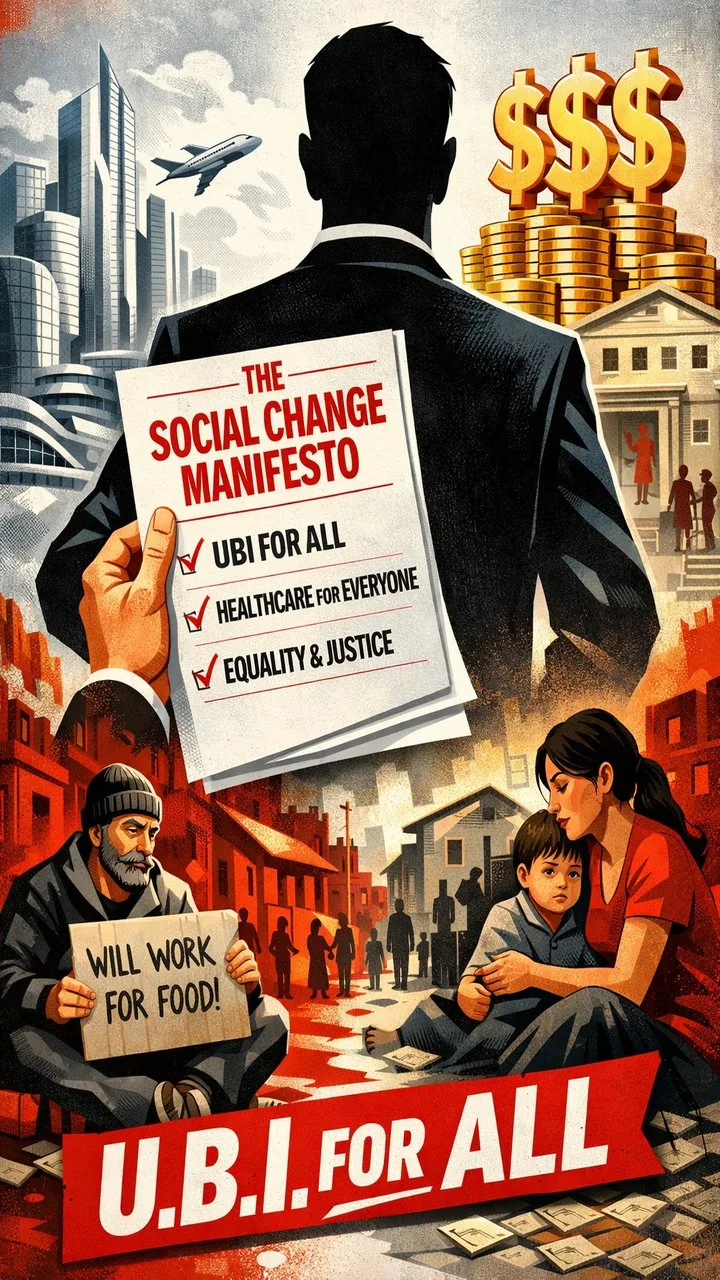
Sam Altman released a 13-page economic policy manifesto last week proposing a four-day work week at full pay, a public wealth fund that distributes AI-generated dividends to every American, and a universal basic income. The document is progressive in orientation and reads like a policy platform from the left wing of the Democratic Party. OpenAI has donated to Republican candidates who have voted to cut the welfare programs UBI would supplement or replace.
What the Manifesto Actually Proposes
Altman's economic agenda centers on the premise that AI will generate enormous productivity gains, and that those gains should be distributed broadly rather than captured by capital owners. Specific proposals include: a sovereign wealth fund seeded with government stakes in AI companies, direct cash distributions to citizens from AI revenue, a shortened work week as automation absorbs routine labor, and expanded public investment in education and healthcare.
The analysis is not wrong — AI-driven productivity gains really could be distributed broadly, and doing so would address some of the most destabilizing aspects of rapid automation. The policy prescriptions are standard social-democratic proposals.
The Contradiction
Vox's analysis of the manifesto identifies the central problem: OpenAI's leadership has supported or failed to oppose Republican politicians and policies that have dismantled, underfunded, or actively opposed the social safety net that UBI would theoretically replace or supplement. The company has donated to candidates who voted against Medicaid expansion, food assistance, and unemployment insurance — programs that serve the populations most vulnerable to the automation Altman's manifesto describes.
"The AI company's leaders have ignored or abetted attacks on actually existing social programs," Vox wrote. Proposing a new wealth distribution system while supporting the people cutting existing ones is, at minimum, a significant coherence problem.
The Timing Is Uncomfortable
The manifesto was released days after the Molotov cocktail attack on Altman's home — an attack motivated, at least in part, by anti-AI sentiment. Publishing an economic justice manifesto immediately after a politically motivated attack on your home creates a context that is hard to separate from the content.
The Bottom Line
The proposals in Altman's manifesto are reasonable policy ideas. The credibility problem is real: a CEO who has benefited enormously from AI-driven capital concentration, whose company supports politicians who cut social programs, now proposes redistributive policies that would require those same politicians' support to pass. UBI does not happen without legislation. Legislation does not happen without votes. And right now, OpenAI's political giving is not aligned with the votes its manifesto requires.