OpenAI Signs Pentagon Deal for Classified AI, Takes Aim at Anthropic in the Process
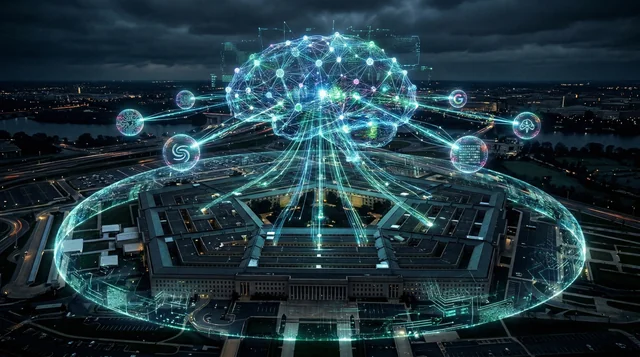
OpenAI Pentagon Deal: Guardrails or PR Play?
OpenAI has reached an agreement with the Pentagon for deploying advanced AI systems in classified environments. The deal, announced on February 28, 2026, comes with three stated red lines: no mass domestic surveillance, no autonomous weapons direction, and no high-stakes automated decision-making like social credit systems.
So far, so reasonable. But what makes this announcement notable is not the contract itself but the tone. OpenAI explicitly positioned its deal as superior to Anthropic, stating it has more guardrails than any previous agreement for classified AI deployments, including Anthropic. When your military contract announcement reads like a competitor takedown, the ethical framing starts to feel more strategic than principled.
What the Deal Actually Includes
To be fair, the technical details are worth noting. The deployment is cloud-only, meaning no models deployed on edge devices where they could theoretically power autonomous weapons. OpenAI retains full control over its safety stack, including the ability to run and update classifiers independently. Cleared OpenAI engineers will be embedded with the DoW, and safety researchers will remain in the loop.
The contract language explicitly references existing surveillance and weapons laws, with a notable provision: even if those laws change in the future, OpenAI systems must still operate under current standards. That is a meaningful protection on paper.
The Anthropic Angle
The elephant in the room is Anthropic recent designation as a supply chain risk by Defense Secretary Pete Hegseth. OpenAI says it does not support this designation and has told the government as much. Yet the blog post spends considerable space explaining why OpenAI deal is better — an odd move if the goal is de-escalation rather than market positioning.
OpenAI claims it asked that the same contractual terms be made available to all AI labs and specifically requested that the government resolve things with Anthropic. Whether this is genuine diplomacy or strategic generosity from a position of strength is left as an exercise for the reader.
The Bottom Line
The deal itself appears to have reasonable safeguards — cloud-only deployment, retained safety controls, human oversight, and contractual protections rooted in existing law. But the aggressive framing against Anthropic undermines the ethical positioning. When national security partnerships become opportunities for competitive dunking, it is worth asking whether the guardrails are designed to protect citizens or capture market share.
Red lines are only as strong as their enforcement mechanisms. With billions in defense contracts at stake, the real test is not what is written in the contract — it is what happens when commercial incentives push against those boundaries.