OpenAI Launches Codex Plugin for Claude Code: Rivals Become Roommates
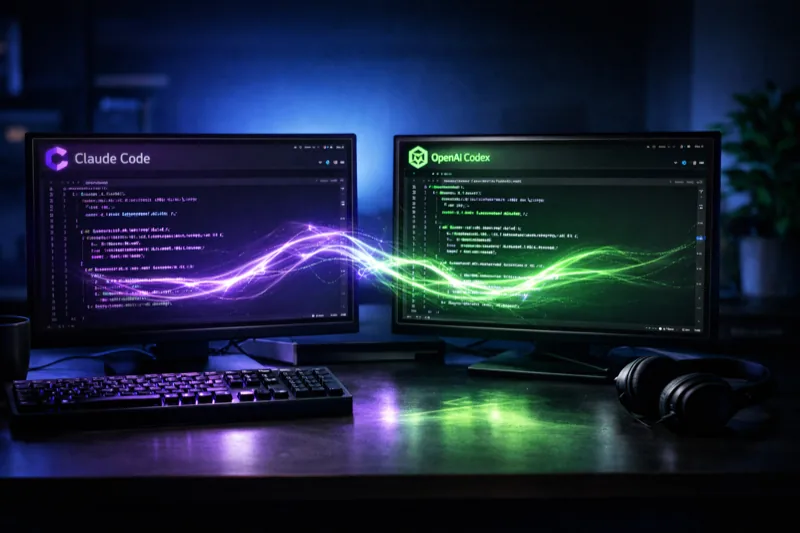
In a move that would have been unthinkable a year ago, OpenAI has released an official Codex plugin for Claude Code — Anthropic’s competing AI coding assistant. The plugin lets developers invoke OpenAI’s Codex directly from inside Claude Code to review code, delegate tasks, and manage background jobs.
What the Plugin Does
The codex-plugin-cc package gives Claude Code users access to Codex commands without leaving their workflow. Key features include:
/codex:rescue — Run a Codex code review on your current work
/codex:status — Check the status of delegated Codex tasks
/codex:result — Retrieve results from completed tasks
/codex:cancel — Cancel running Codex jobs
The plugin delegates through your local Codex CLI and app server, keeping everything on the same machine. It provides the same quality of code review as running /review directly inside Codex.
Why This Matters
The AI coding tool landscape has rapidly split into two paradigms: Claude Code emphasizes a developer-in-the-loop, local terminal workflow, while OpenAI Codex is designed for both local and autonomous, cloud-based task delegation that handles asynchronous work.
By bridging the two, developers no longer have to choose. They can use Claude Code’s interactive coding experience for their primary workflow while delegating heavier review and background tasks to Codex — all from the same terminal.
Part of a Bigger Plugin Push
The Claude Code plugin is part of OpenAI’s broader strategy to make Codex extensible through plugins — shareable bundles that combine skills, app connectors, and resource configurations. OpenAI recently expanded its plugin ecosystem, allowing teams to package and share integrations across projects.
The Bottom Line
Competitors becoming collaborators is a sign the AI coding market is maturing. Rather than trying to lock developers into a single ecosystem, OpenAI is meeting them where they are — even if that’s inside a rival’s product. For developers, this is unambiguously good news: the best tools working together, regardless of who made them.