Open Source AI Projects Face Bug Flood and Maintainer Burnout Crisis
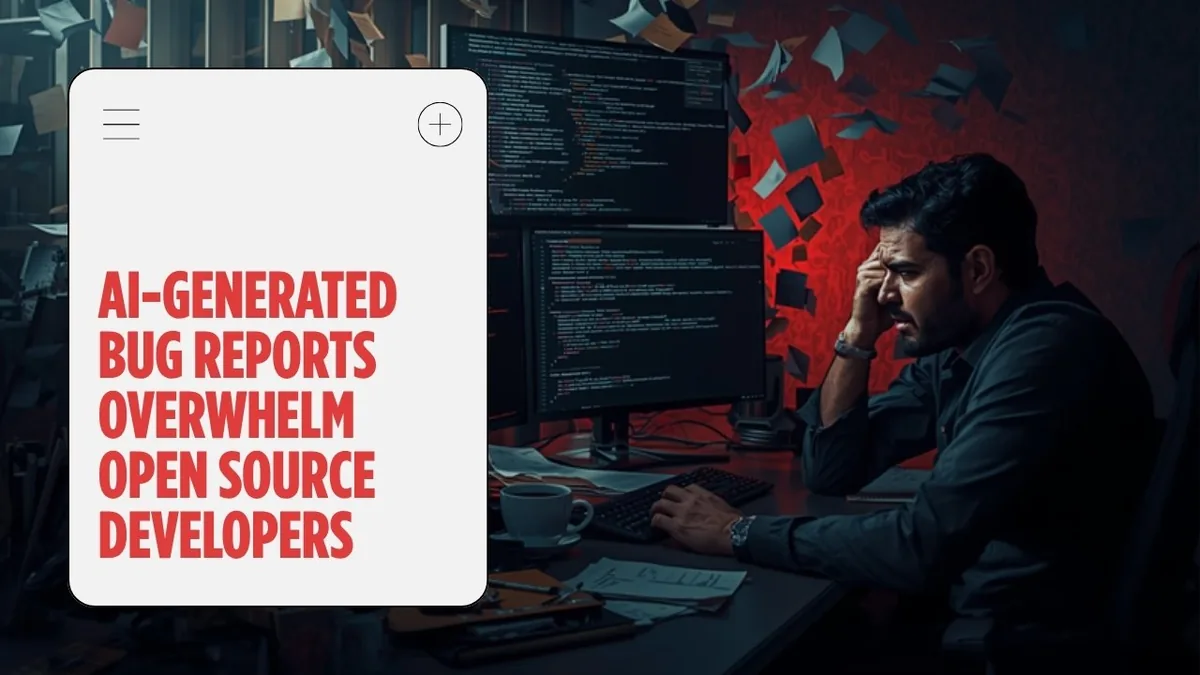
A growing crisis is unfolding across open source AI repositories as maintainers report being overwhelmed by a flood of AI-generated bug reports, low-quality pull requests, and feature requests produced by AI coding assistants. What was once a manageable flow of community contributions has become an unmanageable torrent for many volunteer-run projects.
The Scale of the Problem
Popular AI libraries on GitHub are now receiving hundreds of issues and pull requests per week, a significant portion of which were generated or assisted by AI tools. Maintainers report that many AI-generated contributions fail basic review criteria: duplicate issues, shallow fixes that don't address root causes, and feature requests that conflict with the project's roadmap. Triaging this volume has become a part-time or even full-time job for maintainers who started out giving their evenings to open source.
Maintainers Speaking Out
Several prominent open source developers have published detailed posts about the burden. The maintainer of a widely-used Python ML library with 40,000 GitHub stars wrote that he now spends more time rejecting AI-generated PRs than reviewing genuine contributions. Others have instituted strict new contribution guidelines explicitly prohibiting AI-generated code without human review, a policy that has itself sparked community debates about openness and fairness.
Proposed Solutions and Community Responses
Some projects are experimenting with AI-powered triage bots to pre-screen submissions before they reach human maintainers. GitHub has rolled out new tools to help identify AI-generated content in pull requests, though their effectiveness is debated. Funding organizations like the Open Source Security Foundation are exploring grants specifically for maintainer support as burnout becomes an infrastructure risk — when overloaded maintainers quit, the security and reliability of widely-depended-upon software suffers.
The Bottom Line
The open source AI bug flood is a cautionary tale about the second-order effects of democratizing software creation. AI tools make it easier to contribute, but they've shifted the bottleneck from writing code to reviewing it. Without systemic solutions — better tooling, more funding, or new governance models — the open source infrastructure that underpins most AI development could become fragile as its volunteer maintainers burn out.
Related Articles
- Cursor Raises $2B at $50B as AI Coding Race Heats Up
- App Store Releases Grew 80% in 2025 Thanks to AI Tools
- India CS Graduates Face AI Coding Disruption