Nvidia Pays $20 Billion to License Groq's Inference Tech After OpenAI Demands Faster Chips
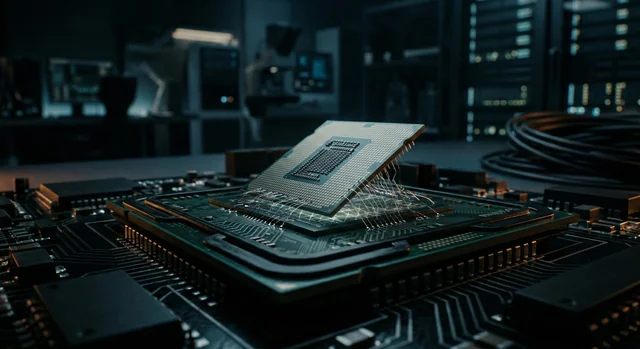
Nvidia is about to shake up the AI chip market — again. The company plans to unveil a new inference-focused processor at its GTC conference in March, built around technology licensed from AI chip startup Groq in a deal worth $20 billion. The driving force behind this move? OpenAI told Nvidia its current hardware wasn't fast enough.
The $20 Billion Groq Deal
Rather than acquiring Groq outright, Nvidia structured the arrangement as a non-exclusive technology license. This gives Nvidia access to Groq's inference-optimized chip architecture — which has been lauded for its speed advantages in real-time AI processing — while keeping Groq technically independent. The $20 billion price tag makes it Nvidia's largest deal to date.
Why OpenAI Forced Nvidia's Hand
OpenAI had been expressing frustration with performance limitations in Nvidia's current hardware, particularly for software development queries and AI-to-AI interactions. The company was actively negotiating with both Cerebras and Groq to handle roughly 10% of its inference workload through alternative suppliers. By licensing Groq's technology, Nvidia effectively blocked OpenAI from working directly with the startup while simultaneously addressing the speed complaints.
What This Means for the Market
The new chip represents Nvidia's targeted response to the growing inference market — the phase where trained AI models generate outputs in real time. While Nvidia has dominated the AI training chip market with its GPUs, inference workloads have different requirements that startups like Groq, Cerebras, and others have been racing to exploit. Nvidia's move signals that it's not willing to cede any ground, even if it means paying $20 billion for someone else's technology.
The Bottom Line
When your biggest customer tells you your chips aren't fast enough and starts shopping around, you don't argue — you buy the technology they were shopping for. Nvidia's $20 billion Groq deal is a defensive masterstroke disguised as a product launch. The real question is whether this is the beginning of a trend: AI companies using their leverage to force chip makers into expensive acquisitions and licensing deals.
Source: Blockonomi, Groq