Nintendo Sues Trump Administration Over 'Unlawful' Tariffs That Delayed Switch 2 Pre-Orders
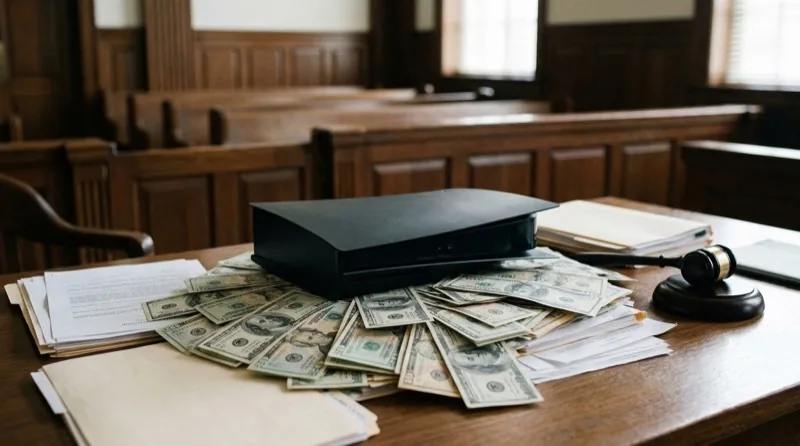
Nintendo of America has filed a lawsuit against the Trump administration in the U.S. Court of International Trade, demanding a full refund with interest on tariffs that the company says were illegally imposed — the same tariffs that delayed Switch 2 pre-orders by two weeks and pushed accessory prices up by 5-6%.
The lawsuit, filed on March 6, 2026, names the U.S. Treasury Department, Department of Homeland Security, the Office of the U.S. Trade Representative, and Customs and Border Protection as defendants, along with officials including Treasury Secretary Scott Bessent and Commerce Secretary Howard Lutnick.
What Nintendo Is Asking For
Nintendo isn’t just asking for its money back. The company wants:
- A full refund with interest of all IEEPA duties it paid as the importer of record
- A court declaration that the IEEPA-based tariffs were unlawful
- An order preventing the government from collecting any further IEEPA duties
- Reprocessing of all import entries — essentially recalculating what Nintendo owes without the illegal tariffs
- Attorney fees and costs
The complaint states Nintendo has “suffered injury” from the “unlawful imposition of tariffs” and “will suffer imminent and irreparable harm” unless the government pays up. Nintendo’s official comment was characteristically brief: “We can confirm that we filed a request. We have nothing else to share on this topic.”
The Supreme Court Already Said These Tariffs Were Illegal
Nintendo’s case isn’t based on a hunch. On February 20, 2026, the U.S. Supreme Court ruled 6-3 in Learning Resources, Inc. v. Trump that the International Emergency Economic Powers Act (IEEPA) does not authorize the President to impose tariffs. The Court held that tariff-imposing power is part of the taxing power reserved for Congress under Article I of the Constitution.
The tariffs in question were imposed starting February 1, 2025, when Trump signed executive orders using IEEPA to slap duties on imports from nearly every country on Earth. At their peak, tariffs on Chinese goods hit a staggering 125% before being reduced to 34% in May 2025.
How the Tariffs Hit Switch 2
The timing couldn’t have been worse for Nintendo. On April 2, 2025, the company held a Nintendo Direct revealing the Switch 2 at $449.99 — the same day Trump’s tariffs went into effect. A week later, chaos ensued:
- Pre-orders delayed 15 days — The original April 9 pre-order date was pushed to April 24 so Nintendo could “assess the potential impact of tariffs and evolving market conditions”
- Console price held — Nintendo absorbed the tariff hit on the $449.99 console and $499.99 Mario Kart World bundle
- Accessories went up ~5-6% — Pro Controller: $79.99 → $84.99, Camera: $49.99 → $54.99, Joy-Con pair: $89.99 → $94.99
- Nintendo stockpiled units — The company shipped “hundreds of thousands” of consoles to the US before launch to avoid shortages
The Switch 2 eventually launched on June 5, 2025, but the pre-order delay frustrated millions of eager buyers and created unnecessary supply chain anxiety.
Nintendo Joins an Army of 1,800+ Companies
Nintendo isn’t going it alone. Over 1,800 companies have filed similar lawsuits demanding tariff refunds, including FedEx (one of the first, filing on February 23), Costco, Dyson, Dollar General, Skechers, Bausch & Lomb, Brooks Brothers, L’Oréal, and Revlon.
The total amount at stake is staggering. CBP has collected roughly $166 billion under IEEPA authority across all importers. Nintendo’s complaint references the “unlawful trade measures” resulting in “more than $200 billion in tariffs on imports from nearly all countries.”
CBP Says It “Cannot Comply” With Refund Orders
Here’s where it gets interesting. On March 4-5, Judge Richard Eaton of the Court of International Trade ordered CBP to stop calculating IEEPA tariffs and begin processing refunds with interest — for every importer, not just the ones who sued.
CBP’s response? It told the judge it is “not able to comply.” The agency faces 53-54 million individual refund transactions, and its existing technology is “not well suited to a task of this scale.” CBP proposed building new functionality in its Automated Commercial Environment system, estimating it would take 45 days (late April) just to begin issuing refunds.
A federal appeals court has already rejected the Trump administration’s push to delay the refund process, so the clock is ticking.
The Tariff Game Isn’t Over
On the same day the Supreme Court struck down IEEPA tariffs, Trump signed a new executive order imposing a 10% global tariff under Section 122 of the Trade Act of 1974 — a different legal authority. By the next day, he’d raised it to the maximum 15% allowed under that statute.
The catch: Section 122 tariffs are capped at 150 days without Congressional approval, creating a ticking clock of pricing uncertainty for companies like Nintendo. Over 20 states — led by New York, California, Oregon, and Arizona — are already suing to block this replacement tariff too.
The Bottom Line
Nintendo’s lawsuit is a reminder that the tariff chaos of 2025 isn’t over — it’s just moved from the Oval Office to the courtroom. With the Supreme Court already ruling these tariffs unconstitutional, Nintendo and 1,800+ companies are on strong legal footing. The real question is how long it takes to get $166 billion back when the agency responsible for refunds says it literally cannot process them.
For Switch 2 owners who paid an extra $5 for their Pro Controller, don’t hold your breath for a personal refund. But at least your next Nintendo accessory purchase might not carry the “unlawful tariff” surcharge.