Nike: A SWOT Analysis
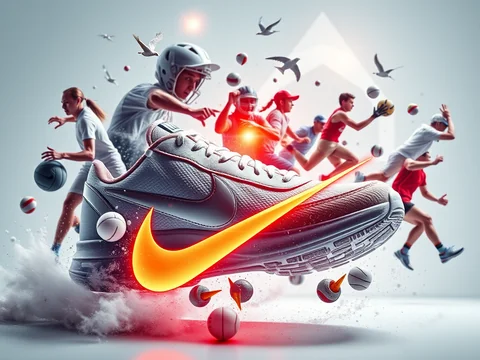
Nike is a global sportswear giant, dominating the athletic footwear and apparel industry. To understand its position and potential, let's conduct a SWOT analysis, examining its internal strengths and weaknesses, as well as external opportunities and threats.
Nike's Strengths
Nike boasts a globally recognized brand, synonymous with quality and innovation. Its strong brand image is reinforced by endorsements from top athletes across various sports. This, coupled with extensive marketing campaigns, creates a powerful presence in the market. Nike also has a diversified product portfolio, catering to a wide range of sports and consumer preferences.
Nike's Weaknesses
Despite its dominance, Nike has vulnerabilities. Reliance on contract manufacturing can lead to ethical concerns and potential supply chain disruptions. The company also faces increasing competition from other brands offering comparable products at lower prices.
Opportunities for Nike
The growing athleisure market presents a significant opportunity for Nike to expand its casual wear offerings. Further investment in e-commerce and direct-to-consumer sales can boost profitability and customer relationships. Emerging markets also hold vast potential for expansion and increased market share.
Threats to Nike
Nike faces intense competition from established players like Adidas and Under Armour, as well as emerging brands. Fluctuations in currency exchange rates and raw material prices can impact profitability. Additionally, changing consumer preferences and economic downturns pose ongoing challenges.
How Can Nike Improve?
To mitigate weaknesses and capitalize on opportunities, Nike can focus on strengthening its supply chain control and exploring sustainable manufacturing practices. Expanding its product lines in emerging markets and further developing its online presence will be crucial for continued growth.
By addressing its weaknesses and capitalizing on opportunities, Nike can keep its position as a leader in the global sportswear industry.
FAQ: Nike SWOT Analysis
Q: What are Nike's main strengths?
A: Nike's strengths include its powerful brand recognition, innovative product development, strong financial performance, and strategic marketing with celebrity endorsements.
Q: What are some of Nike's weaknesses?
A: Some of Nike's weaknesses are its dependence on contract manufacturing, which can raise ethical concerns, and its high price points, which may make its products less accessible to some consumers.
Q: What opportunities can Nike capitalize on?
A: Nike can leverage the growing athleisure market, expand its direct-to-consumer sales through e-commerce, and focus on sustainable practices to appeal to environmentally conscious consumers.
Q: What are the main threats facing Nike?
A: Nike faces threats from intense competition, counterfeit products, economic fluctuations, and potential supply chain disruptions.
Q: How can Nike improve its position in the market?
A: Nike can enhance its supply chain control, increase its focus on sustainability, expand into new and emerging markets, and continue to innovate its product offerings.
Q: What is Nike's business strategy?
A: Nike's business strategy revolves around product innovation, strong marketing and branding, and a focus on athletic performance.
Q: Who are Nike's main competitors?
A: Nike's main competitors include Adidas, Under Armour, Puma, and other emerging brands in the sportswear industry.
Q: What are some of the ethical concerns surrounding Nike?
A: Ethical concerns surrounding Nike primarily relate to labor practices in its contract factories, including issues like fair wages and working conditions.
Q: How does Nike's marketing contribute to its success?
A: Nike's marketing leverages celebrity endorsements, sponsorships of major sporting events, and memorable advertising campaigns to create a strong brand image and connect with consumers.
Q: What is Nike doing to address sustainability concerns?
A: Nike is increasingly incorporating recycled materials into its products, reducing waste in its manufacturing processes, and promoting sustainable practices throughout its supply chain.