Netflix Walks Away from Warner Bros. Deal — Smart Discipline or a Missed Empire?
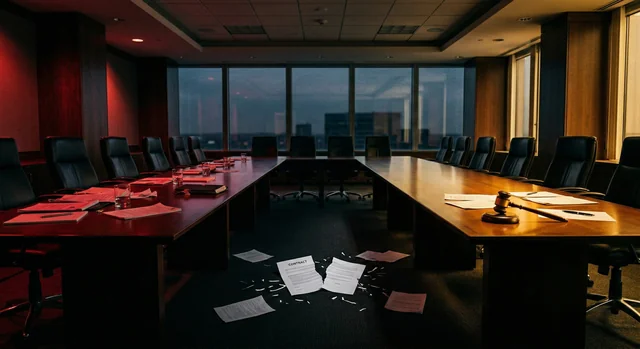
In one of the most dramatic M&A reversals in recent entertainment history, Netflix has walked away from its deal to acquire Warner Bros. Discovery's studio and streaming assets. The reason? Paramount Skydance swooped in with a $31-per-share all-cash bid that the WBD board deemed "superior" to Netflix's $27.75-per-share offer.
What Happened
The saga began when Netflix and WBD struck a deal for the latter's studio and streaming businesses. But Paramount Skydance — led by CEO David Ellison — launched what amounted to a hostile bid for the entirety of WBD, including its pay-TV networks like CNN, TBS, and TNT.
Netflix even granted WBD a seven-day waiver to reengage with Paramount, effectively inviting the competition. Paramount raised its bid from $30 to $31 per share, and the WBD board took the bait. Netflix had four business days to counter but chose not to match.
The Numbers Tell an Interesting Story
Netflix stock spiked 10% in after-hours trading on the news that it walked away. Let that sink in: investors celebrated Netflix not spending billions on legacy media assets. Paramount stock gained 5%, while WBD shares fell 2%.
Paramount's bid includes a staggering $7 billion breakup fee if the merger fails regulatory approval, plus it agreed to cover the $2.8 billion breakup fee WBD would owe Netflix. That's nearly $10 billion in safety nets — a sign of just how desperate the consolidation game has become.
Netflix's "Nice to Have" Framing
Netflix co-CEOs Ted Sarandos and Greg Peters issued a statement that reads like a masterclass in corporate discipline: "This transaction was always a 'nice to have' at the right price, not a 'must have' at any price."
It's the kind of line that plays well on earnings calls. But it also raises a question: if Warner Bros.' iconic brands and massive content library were merely "nice to have," why did Netflix pursue the deal in the first place?
The Skeptical Take
Here's what doesn't quite add up. Netflix wanted WBD's studio and streaming assets badly enough to negotiate a deal, grant waivers, and engage in a public bidding war. Walking away now — and framing it as financial discipline — might be less about strategy and more about being outbid by a competitor willing to pay any price.
Paramount Skydance is essentially betting that combining all of WBD — including declining linear TV networks — with its own assets creates something greater than the sum of its parts. That's a massive bet on a media landscape that's been punishing traditional players for years.
Meanwhile, Netflix emerges looking disciplined, but it also lost access to Warner Bros.' legendary content library, HBO's programming pipeline, and a portfolio of brands that took decades to build. You can't just recreate that with more original programming and a bigger content budget.
What Happens Next
The WBD board will now vote to adopt the Paramount merger agreement. If approved, the combined entity would create one of the largest media conglomerates in history — owning Paramount Pictures, Warner Bros., HBO, CNN, CBS, Nickelodeon, and more.
The regulatory path won't be smooth. Antitrust concerns around this level of media consolidation are significant, which explains that eye-watering $7 billion breakup fee.
The Bottom Line
Netflix walking away might be the smart move financially, but let's not pretend it's a victory. The streaming giant just watched one of Hollywood's most valuable content libraries slip through its fingers to a competitor. The stock market may be celebrating discipline today, but content is king in streaming — and Netflix just let the crown jewels go to someone else.
Sometimes the deal you don't do haunts you more than the one you do.